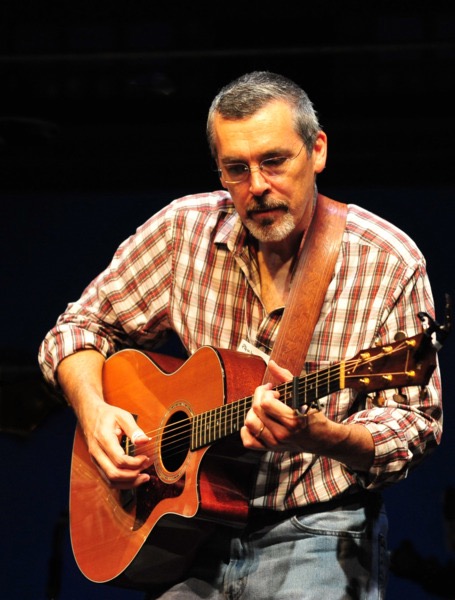
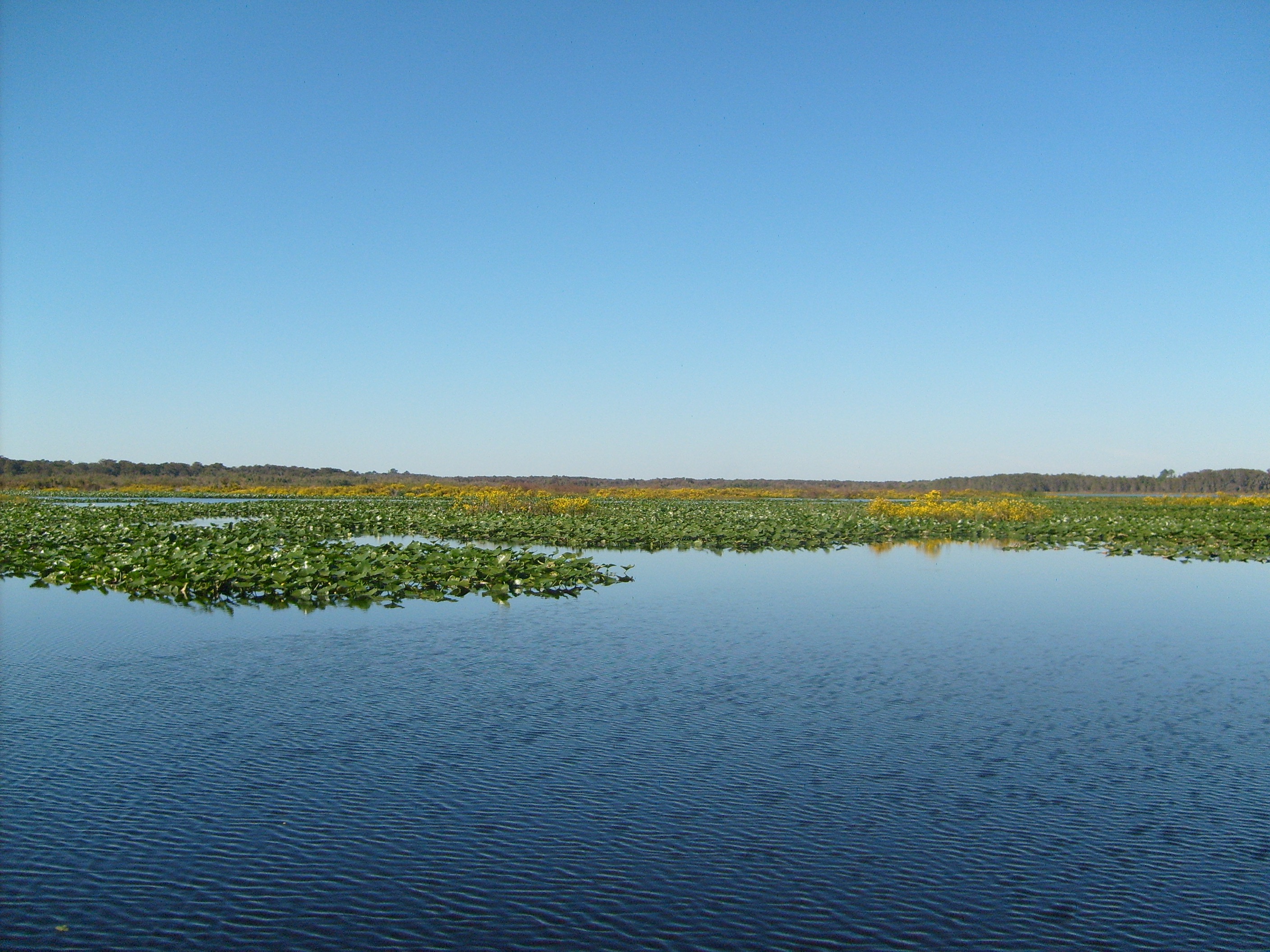
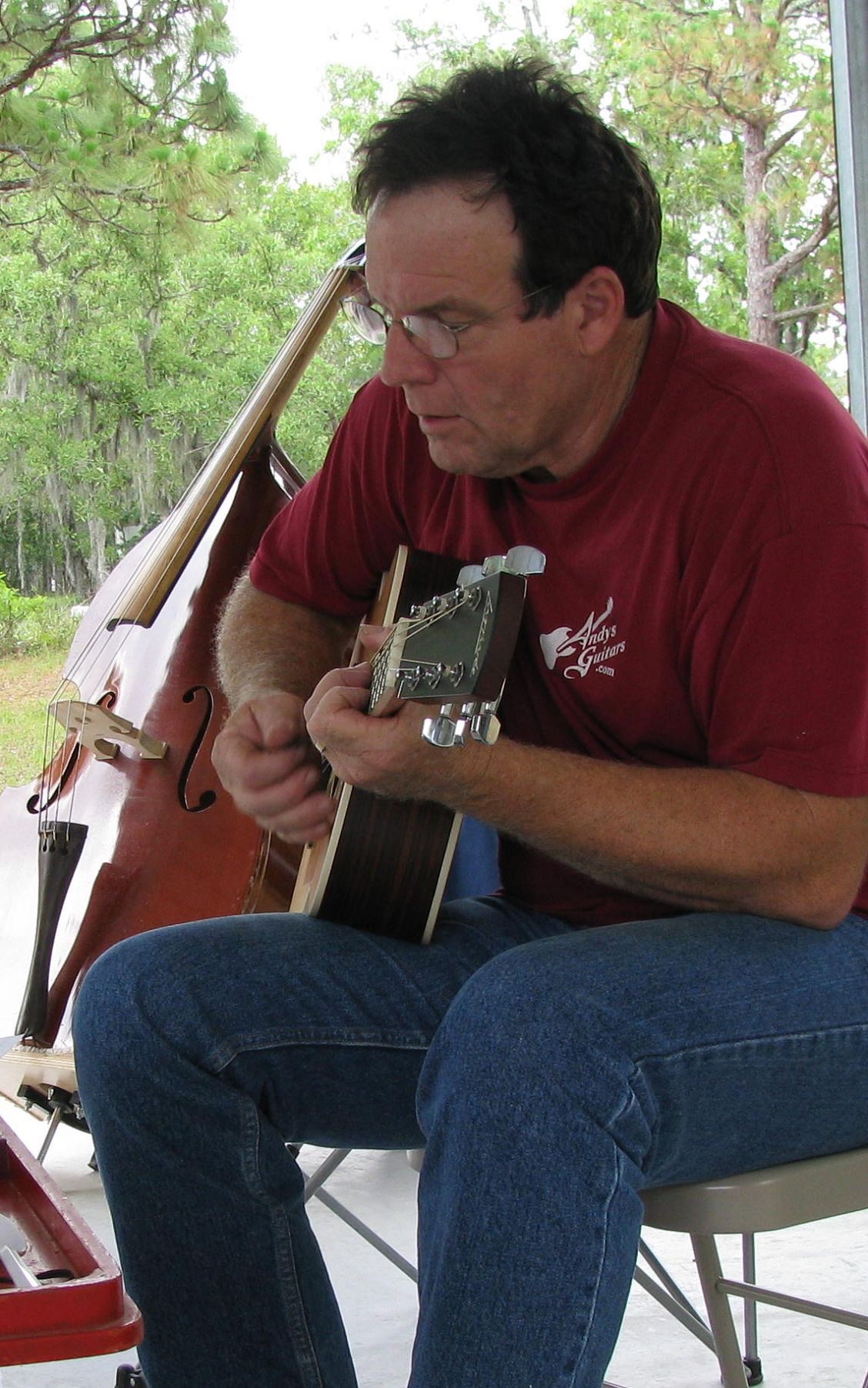
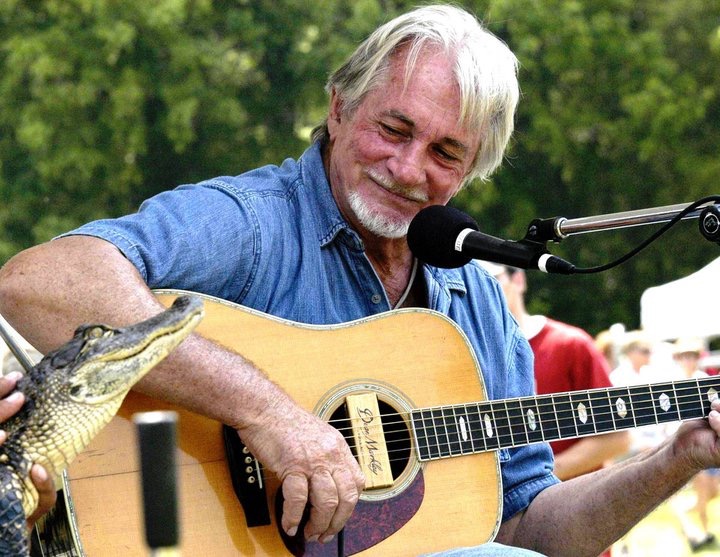
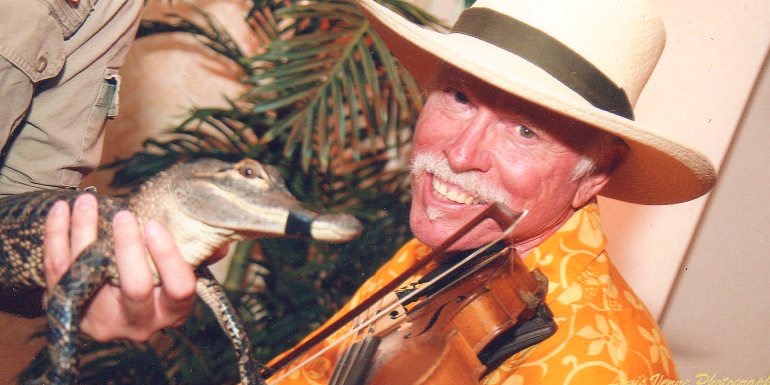
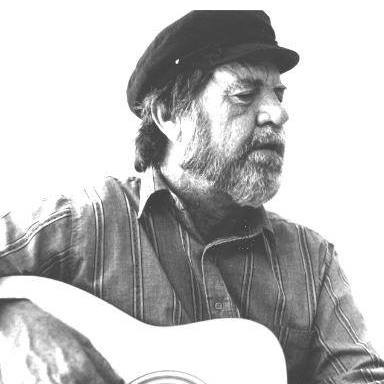
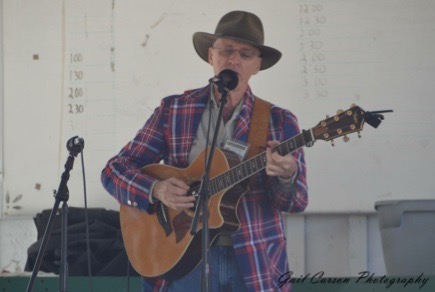
Thousands of visitors “came home to Florida” last weekend. That was the theme of this year’s 45th Annual Florida Folklife Festival in White Springs. Many of the state’s well-known recording artists as well as the “not-so-famous” entertained audiences on a variety of outdoor stages. Donna Green-Townsend attended this year’s festival and reports the success of the event can be felt through the three senses: smell, sight and sound.
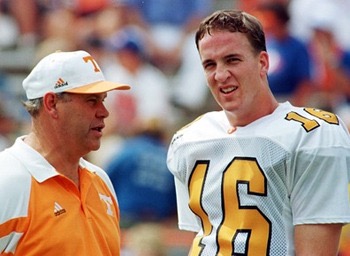
Before the Denver Broncos, and before the Indianapolis Colts, Quarterback Peyton Manning was known as “Tennessee’s Golden Boy.” In 1997 many sportswriters predicted Manning would have made millions if he had left the University of Tennessee and gone into the NFL draft. But Manning had other plans. He wanted one more year of college football. Ironically, he never beat Florida while in college, never won a national championship and he didn’t win the Heisman Trophy. But he continues to be thought of as one of the best college and professional football players in sports history. Just before the 1997 football season Manning talked with Donna Green-Townsend about his decision to play one more year of college football. He also weighed in on the decision of other college players to leave school early without earning their degrees to follow their pro dreams like Ike Hilliard and Reidel Anthony at the University of Florida. (From my audio archives: Original unedited interview in May of 1997)
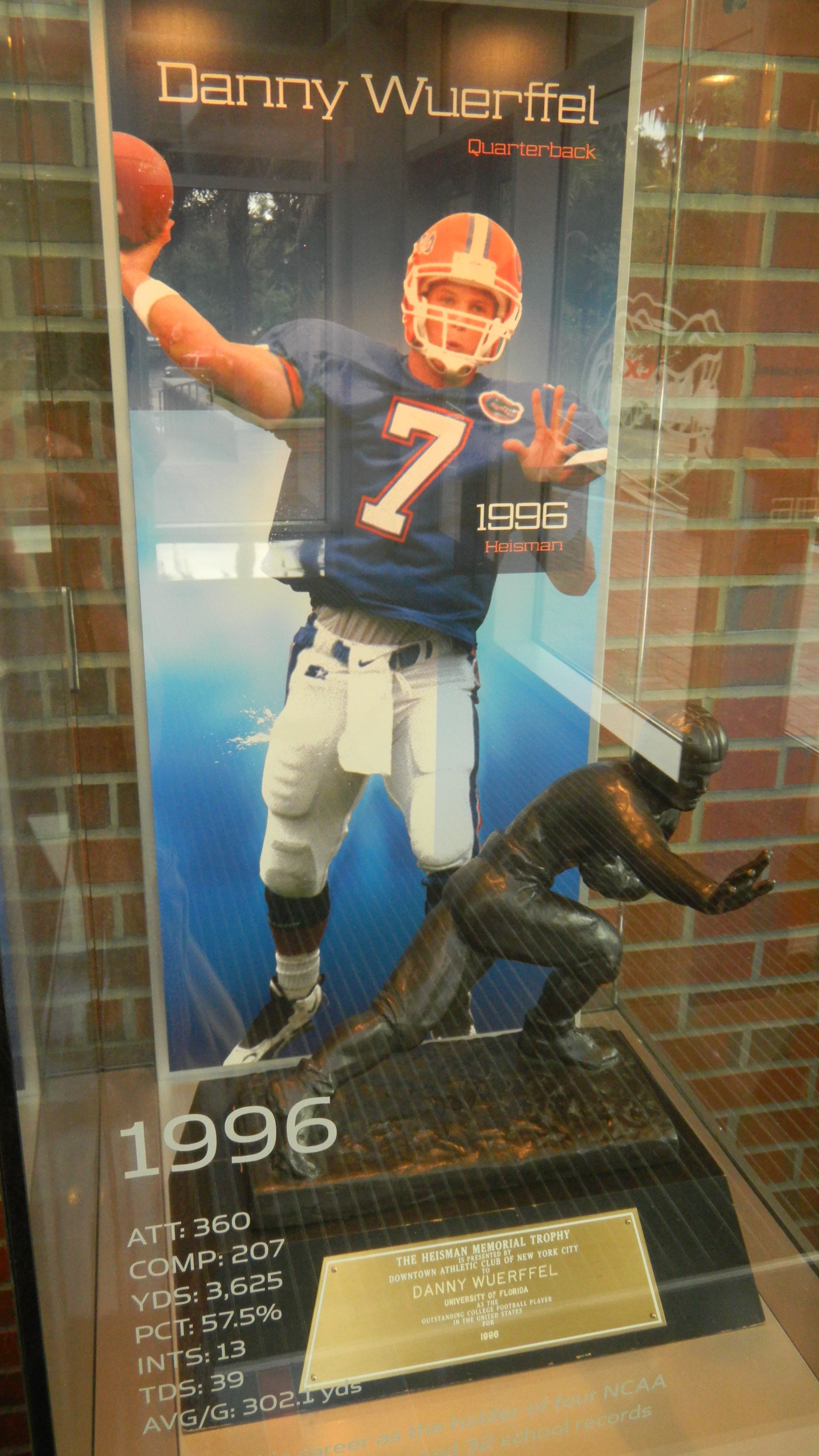
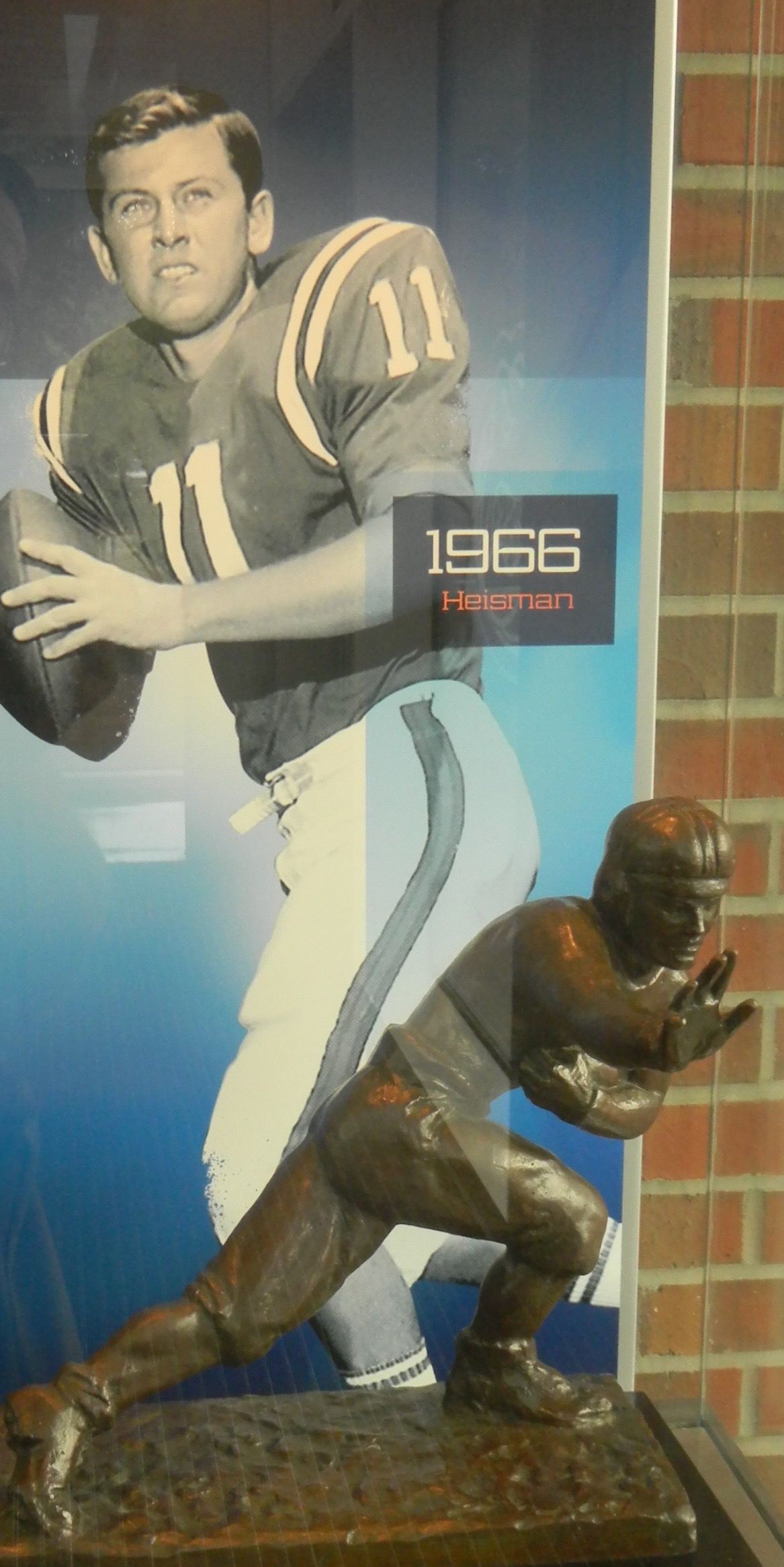
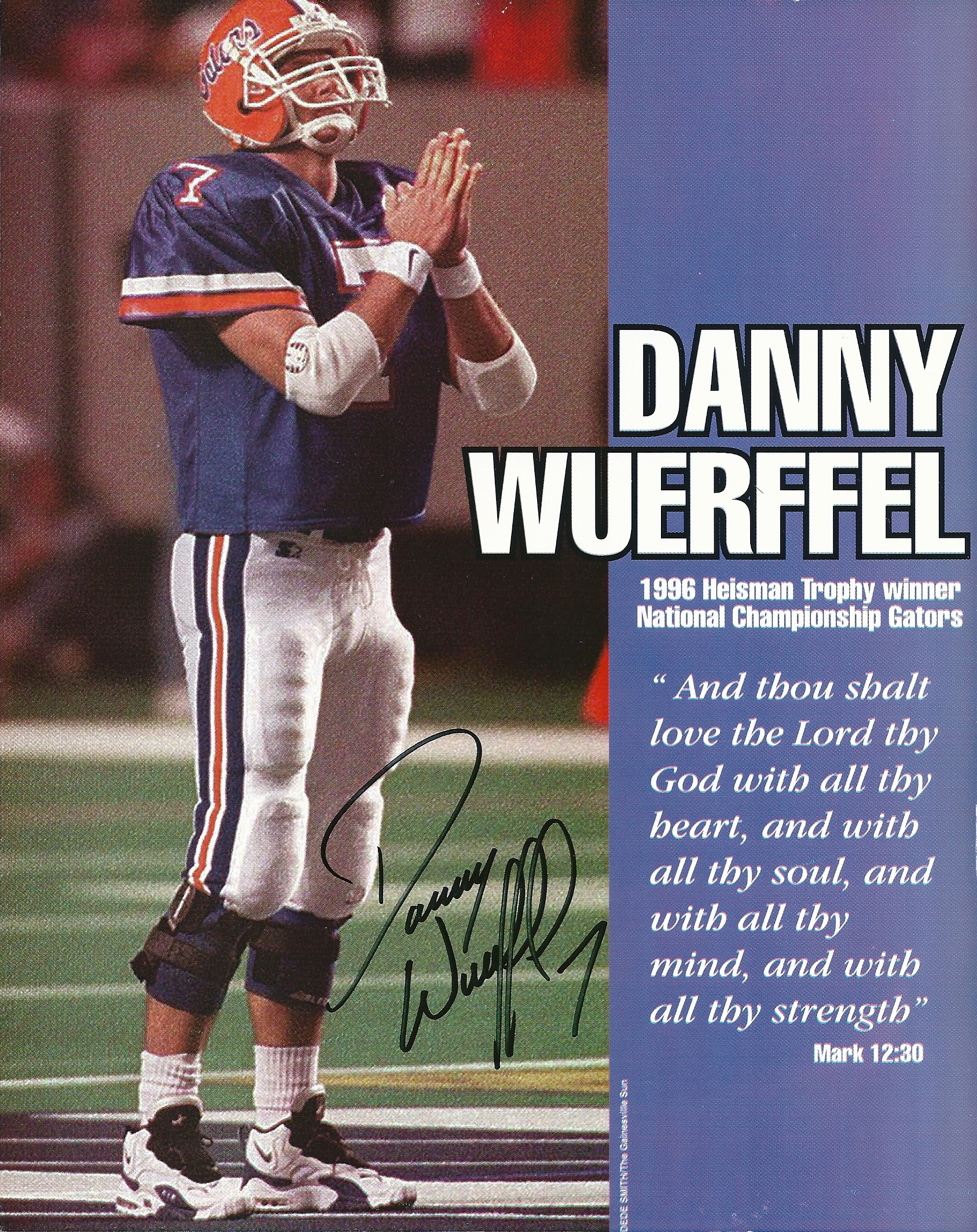
In December of 1996 University of Florida Quarterback Danny Wuerffel was a strong contender for the Heisman Trophy. It had been 30 years since UF had another player up for the Heisman— young Gator QB Steve Spurrier. At a 1996 press conference following the Gators 24 to 21 loss to FSU, and just before the Alabama SEC Championship game, Steve Spurrier talked with Donna Green-Townsend and shared his thoughts about his QB Danny Wuerffel’s Heisman chances 30 years after he himself had won the coveted trophy as QB for the Gators. Spurrier also addressed Wuerffel’s NFL chances.
Coach Spurrier also addressed whether he and Wuerffel had any similarities in this Heisman contender profile of Danny Wuerffel produced by Donna Green-Townsend for NPR’s Morning Edition which aired on December 13th, 1996, the day before the official announcement that Wuerffel had won.
On December 10th, 2013 Danny Wuerffel was named to the 2013 College Football Hall of Fame Induction Class. Voters said he had one of the most impressive records ever compiled. Wuerffel was the only player in college football history to start at quarterback for a conference champion four straight years — plus win a national title and the 1996 Heisman. In addition, Wuerffel, a two-time first-team academic All-American, was awarded the Draddy Trophy (also called the “academic Heisman”) presented annually by the College Football Hall of Fame, to the nation’s top football scholar-athlete.
And then there were his statistics. In Wuerffel’s career at UF he completed 60.5 percent of his passes for 10,875 yards, 114 touchdowns and 42 interceptions in starting 36 of his 46 games.
During Wuerffel’s four seasons, Florida won four-consecutive SEC title games. As a senior, Wuerffel’s 3,625 yards passing yards were an SEC record. He also set a national record for his 39 touchdowns. In his final two games in a Gator uniform, Wuerffel threw for 401 yards and 6 touchdowns to beat Alabama (which at the time was the No. 1-ranked pass defense) for that fourth-straight league crown. In the Sugar Bowl national championship rematch over rival Florida State, Wuerffel threw for more than 300 yards and 3 touchdowns (also rushing for a TD) in a 52-20 victory against the top-ranked defense in the country
When students at High Springs Middle School attended dedication ceremonies for their newly designed technology lab in November of 1995, no one would have imagined the spotlight this small Florida community would still be under even now, a year later. Donna Green-Townsend reports the controversy continues over the donation o a war jet now used as a symbol for the school.
Originally aired in December of 1996 on WUFT, FPR and the program 51%
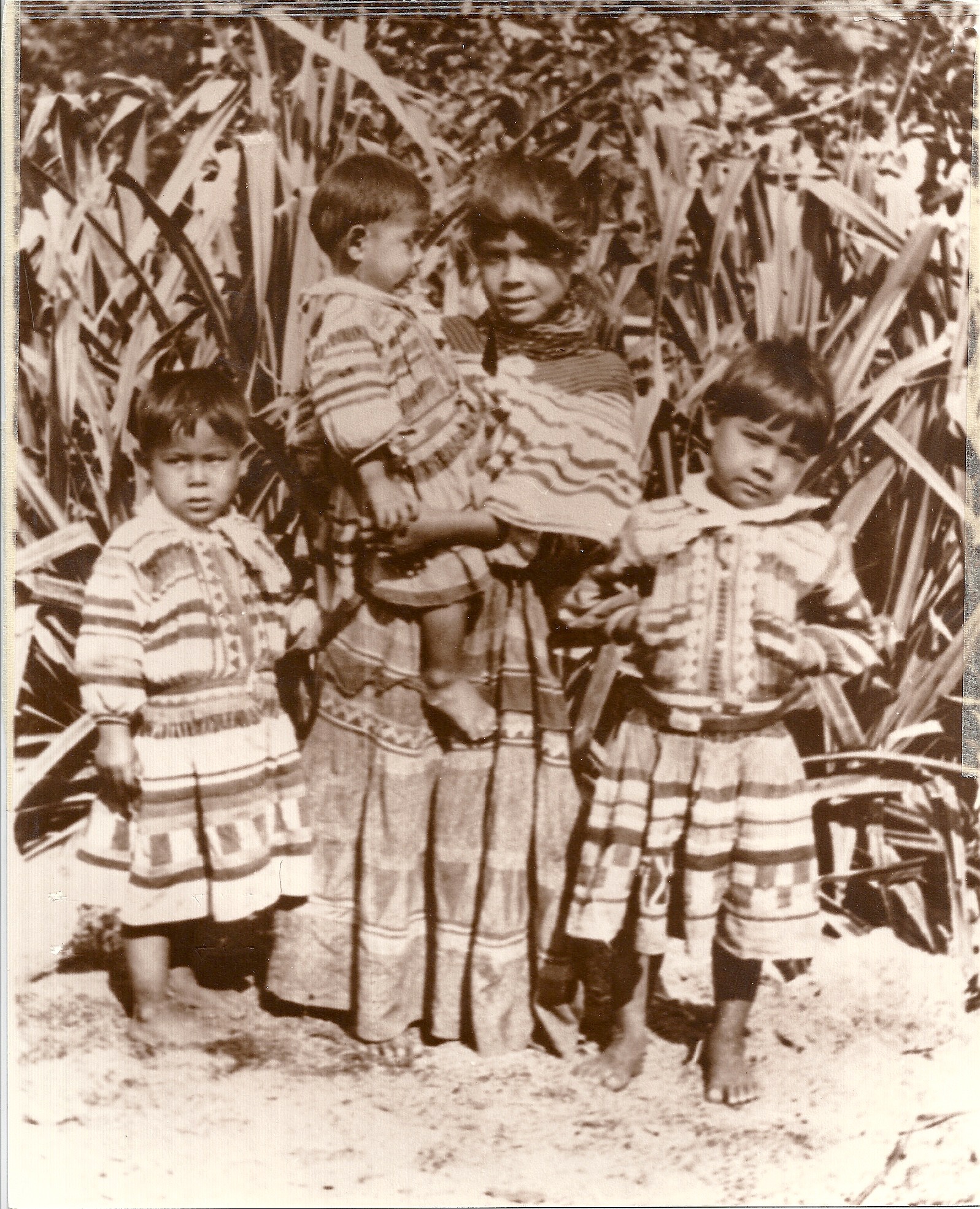
Miccosukee children photographed by Phyllis Sheffield and her Aunt Florence Stiles Randall in the 1930s in the Everglades of Florida.
At a time when there’s been so much focus on cleaning up the Florida Everglades it’s hard to think back to the period before dikes and drainage canals affected the flow of water from Lake Okeechobee through Florida’s River of Grass. Picture the 1930s, the decade when the Great Depression had its grip on most of the nation. Donna Green-Townsend reports, the 30s was also when two adventurous young women in South Florida captured forever on film, pictures of a unique culture about to disappear from Florida’s landscape.
Full Script:
Sixty years ago when Phyllis Sheffield ventured by boat with her aunt into the Florida Everglades to photograph Miccosukee Indians, little did she know she was capturing Florida history. In the 1930s, Phyllis Sheffield was just a teenager learning the ropes of photography from her mother’s sister, Florence Stiles Randall, who owned a small studio in Coconut Grove, when a young Miccosukee woman walked into the studio to sell mulberries she carried in her homemade palmetto basket. Phyllis and her aunt Flossie bought some berries and ended up photographing the young Miccosukee woman. That studio photo session led to a series of boat trips into the Everglades Phyllis says she’ll never forget.
(sound of her pouring over negatives or prints)
Pouring over negatives and rare prints from her 60 year old collection at her present home in Palatka, Phyllis, now 79 is still thrilled about her role in capturing the early Miccosukees on an old 5 by 7 box camera:
Phyllis Sheffield, “It was very exciting and we got to really like the people and we knew that they hadn’t been recorded and I think in the back of our minds we knew that it was history we were recording but we didn’t realize we were some of the few people who were doing it.”
Phyllis says she always considered herself adventurous. After all her parents “paved the way” for her back in 1914. That’s when they sold their North Dakota Farm and took a two year trek down the Missouri and Mississippi Rivers to begin a new life in Southern Florida:
Phyllis Sheffield, “They ran what was called a sea bottom boat that was the first boat in Florida to show the bottom of the coral reefs, but he always had a boat too, after the sea bottom sank. That’s another story. It sank with 200 people aboard, but anyway when he stopped that he started running a banana boat into the Bahamas so I think he was adventuresome, very. And I think some people were just born with those kinds of genes.”
No wonder it didn’t seem unusual to Phyllis Sheffield to be a woman engineering a boat into the wild Florida Everglades in the 1930s to photograph the Miccosukees:
Phyllis Sheffield, “We knew we were on an adventure but we had no fear of these Seminoles because the Miccosukee, because the ones who came in the studio were so nice and gentle so I don’t remember being frightened and we were so welcomed. But I know it was an adventure.”
Phyllis and her aunt often took along gifts for their photo subjects, everything from candy and picture books to combs and even a sewing machine. The gifts made getting smiles on camera a little easier. The challenge was toting the old camera gear to their swampy photo shoots:
Phyllis Sheffield, “It was heavy equipment, we had a great big old wooden tripod and always carried a reflector in case we wanted the light reflected some other place than it was….I never weighed it but it was a 5 by 7, a pretty big camera and it came out on a track that must have been a foot or more that you had to pull it out on, a metal track and it was a big wooden and old shiny one. It was a matter of pulling the camera out on the track and you couldn’t see on the upside down ground glass and you had to be able to see to focus it so you’d put a black cloth over your head. You must have seen the pictures of people doing that. Well that’s the way we took these photographs.”
Phyllis recalls how word spread through the tribe about the photos…and how on subsequent trips many of the Miccosukees seemed to encourage the two women to take their pictures….sometimes even striking a pose before asked:
Phyllis Sheffield, “We were coming up snapper creek and saw this girl bathing her baby on the beach on the edge of the shore and I said, oh auntie there’s a Madonna. I always ran the boat because Auntie was always timid about anything electrical or anything mechanical. So we pulled in the edge and got out of the boat and while we took the camera out and kept talking to her and she was ignoring us but we could tell she was posing bathing her baby and she kept bathing the arm and the hand and we set the camera up and kept talking to her and she kept ignoring us and it took us a good 15 or 20 minutes even gave me time to put the halo behind her head with the reflector. And as soon as we took the photograph she got up and left. I think she was just timid really, but that was the cleanest baby in the Everglades, I can tell you that.” Did you give a copy of the picture to her? “Yes and we got a big smile then.”
Phyllis titled that photograph “Madonna.” There’re photos she’s named “Friends” of two young Miccosukee girls…all smiles, and there’s “Brave Hunter” named for the young man posing with his parent’s slingshot. But some of the pictures are tough for her to talk about, even today 60 years later:
Phyllis Sheffield, “Like I say, it’s a very sad photo for me, this is practically the only one I’ve printed from it because the little baby over the man’s shoulder died shortly after that and from I think it was just measles because he had spots on him at the time…but they wanted their picture made at the time and I think one reason was because this baby was in it. It’s one of the few pictures we have of men and you can see how sober they all are so I think they knew the baby was dying.” What would you call this picture? “I haven’t given it a name because it’s sad to me.”
For nearly 60 years the historical Miccosukee photos stayed in storage in her Aunt Flossie’s home. Not until Flossie died in 1987 at the age of 96 did Phyllis remember them.
(sound of her van door and talking about the photos in the van)
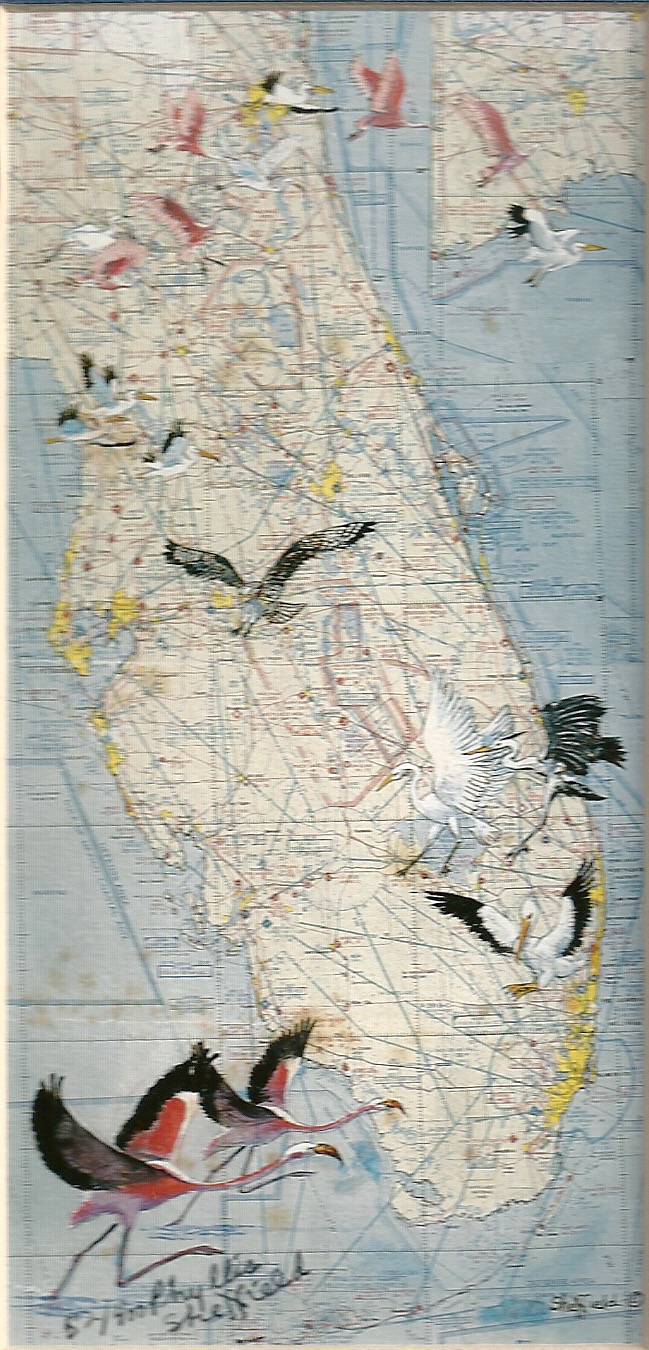
An example of Sheffield’s watercolor artwork on old maps and nautical charts
Phyllis has travelled to art shows across Florida for years displaying and selling watercolor drawings on old maps and nautical charts, her bread and butter she says. She only added the Miccosukee photos to her shows in recent years. Unfortunately, because she didn’t realize the historical significance of the negatives sooner, many were lost:
Phyllis Sheffield, “And when I finally took out the negatives I’d lost about 50 with mildew and things. I didn’t have the sense to take care of them. See nobody said Phyllis you and auntie Flossie are shooting history. For heaven’s sake take care of those negatives.”
When Phyllis decided to do something about preserving the negatives, she made an offer to the Smithsonian:
Phyllis Sheffield, “I took my pictures to them a couple of years ago and they were excited about them. I took them to the Indian Museum in New York, the head of the photography department there. She submitted them to the council of the museum, the people who decide what they’re going to show and when, but I told them if I was going to give them my 5 by 7 negatives that before I was gone I wanted to see a show and wanted them to hang a show and they read in the letter that they will hang a show within two years. I said heck, I’m pushing 80 awful hard. I expect to live to be 105 but heck who knows so and they said they would if I’d give them my negatives.”
Phyllis says she hopes to see a Smithsonian show with her Miccosukee photos within the next year. There’s even been some talk from various parties about doing a book or even a calendar with the old photos.
As she nears her 80th birthday she plans to slow down on the art show circuit, but won’t sit still. A trip to Mexico is next on her agenda. She’s already travelled to China and Russia. And oh, there’s a trip planned for next summer. What else more appropriate for the adventurous Phyllis Sheffield but a trip down the Nile River. For 51% I’m, Donna Green-Townsend.
When most Floridians get in the mood to eat a little catfish more than likely what they’ll find at the market will be farm-raised channel cats. Florida has about 30 catfish farmers. But a few decades ago most catfishing took place on Florida’s freshwater lakes and provided a living for many local fishermen. Donna Green-Townsend reports that at least one Cross Creek fisherman is helping to keep the old ways alive.
Full Script
(SOUNDS OF A BOAT HEADING OUT ON A LAKE)
“MAMMA WANTED ME TO BE A DOCTOR OR A LAWYER WHEN I GOT OUT OF HIGHSCHOOL. MY HEART WASN’T IN THAT. IT WAS IN FISHING SO I WENT RIGHT AWAY IN THE FISHIN’ BUSINESS WHEN I GOT OUT OF HIGHSCHOOL. BEEN IN IT EVER SINCE, 40 YEARS OF IT.”
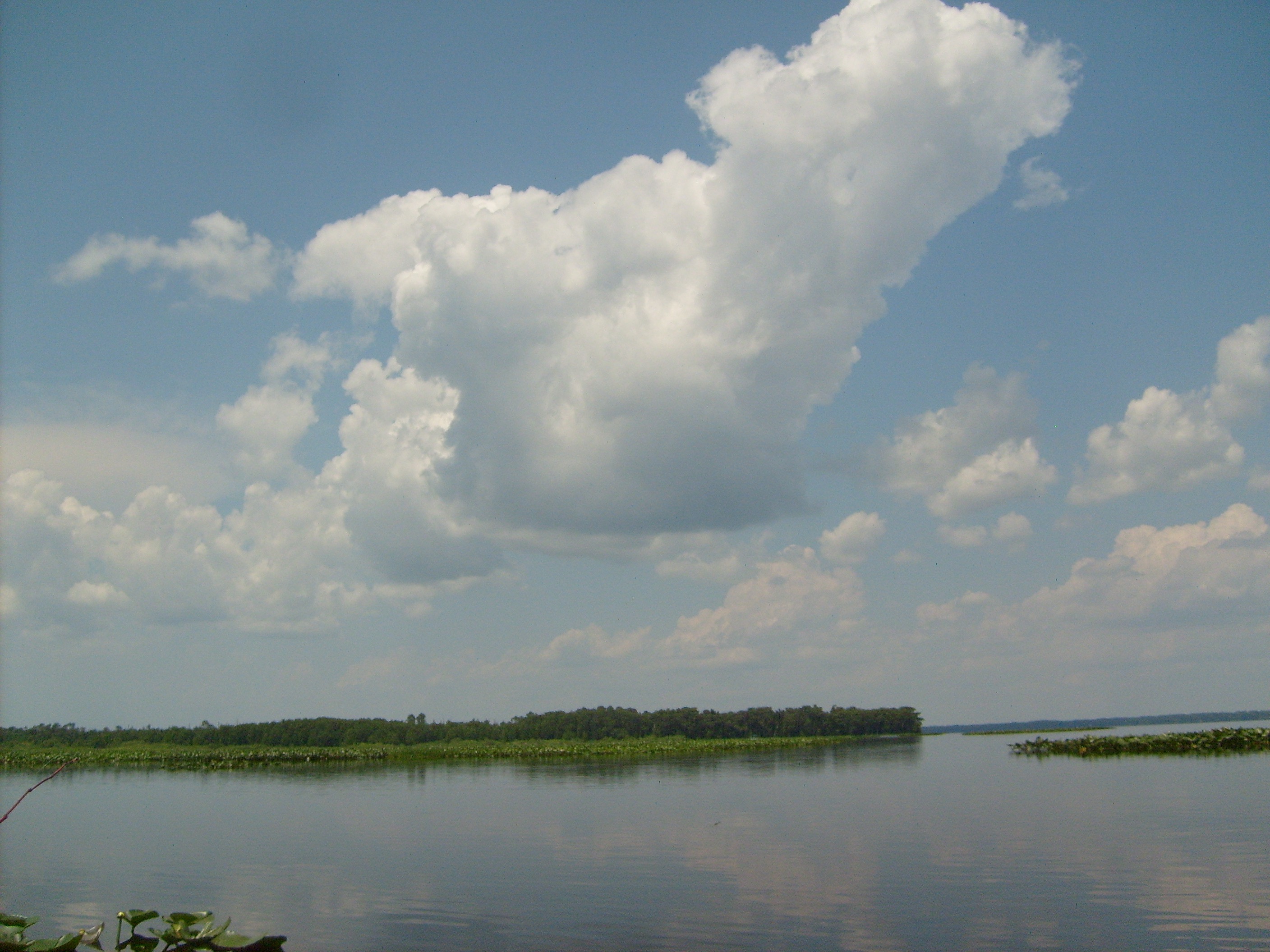
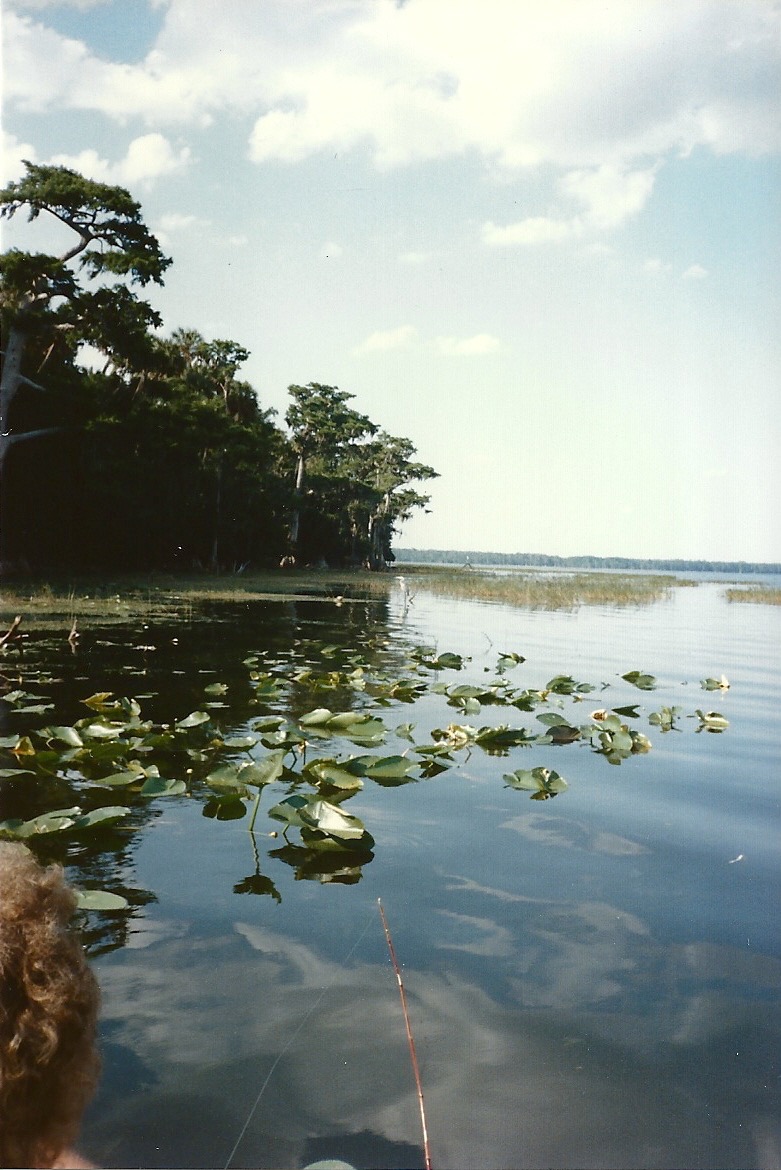
FOUR TO FIVE DAYS A WEEK RIGHT ABOUT DUSK, 57 YEAR OLD DON BAUKNIGHT OF CROSS CREEK MANEUVERS HIS 18 FOOT HOME-MADE WOODEN BOAT ACROSS ORANGE LAKE IN SOUTHEAST ALACHUA COUNTY. HE HOLDS HAND-CARVED WOODEN CAT-LINE BOXES HOLDING 15-HUNDRED HOOKS ON A TROT-LINE, A VARIETY OF ANCHORS AND CYPRESS KNEE FLOATS. LIKE HIS FATHER AND UNCLES BEFORE HIM, BAUKNIGHT’S CARRIES ON A CATFISHING TRADITION….ALMOST A LOST CULTURE TODAY.
“BACK THEN WHEN I WAS ABOUT SIX YEARS OLD I REMEMBER I HAD SEVERAL UNCLES FISHING OUT HERE ON THE LAKE. THEY HAD TO MAKE TWO TRIPS A DAY TO HAUL THE FISH IN TO KEEP FROM SINKING THEIR BOAT THEY CAUGHT SO MANY FISH,” SAID BAUKNIGHT.
(SOUND OF SKINNING CATFISH) STANDING UNDER A CHINABERRY TREE, BAUKNIGHT DRESSES OUT THE MORNING’S CATCH….50 POUNDS OF CATFISH CAUGHT ON 15-HUNDRED HOOKS….BAUKNIGHT SAYS IT’S STILL A FAMILY BUSINESS.
“WELL MY UNCLE HE HELPS ME A LITTLE BIT. HE TAKES THE KNIFE AND WRINGS THE HEADS, CUTS THE SKINS WHERE I CAN GET A HOLD OF IT, PULL THE HIDE OFF. MY BROTHER HE HELPS ME SOME, GUTS ‘EM AND EVERYTHING. IT’S KIND OF A FAMILY JOB.”
(SOUND UP FULL OF SKINNING OR FISH DROPPING IN A BUCKET)
“DOWN THROUGH THE YEARS, 30, 40 YEARS AGO, 20 YEARS AGO THERE WERE PROBABLY A SOLID DOZEN COMMERCIAL FISHERMAN MAKING A FAIRLY GOOD LIVING AT IT AT TIMES.”
NOW DON BAUKNIGHT REMAINS THE SOLE CROSS CREEK FISHERMAN WHO CONTINUES TO MAKE HIS ENTIRE LIVING FROM CATFISHING…A WAY OF LIFE REQUIRING LONG DAYS TO GATHER BAIT FOR THE HOOKS, RACKING THE LINES ON THE WOODEN CATLINE BOXES, BAITING THE HOOKS, PUTTIN’ IN THE LINES, TAKING THEM IN AND CLEANING THE FISH.
“IT TAKES ABOUT 18 HOURS OF WORK TO GET THE JOB DONE. ONE DAYS WORK TAKES ABOUT 18 HOURS.”
ALONG WITH THE LONG HOURS, BAUKNIGHT ENDURES WHAT MOTHER NATURE DISHES OUT…WIND, THUNDERSTORMS, GATORS TANGLING THE LINES IN THE SUMMER MONTHS NOT TO MENTION THE DANGERS OF PUTTING OUT THE TROT LINE ITSELF WITH THE THOUSANDS OF HOOKS.
“THAT WOULD BE THE DANGEROUS PART, PUTTING THE LINES OUT. A FREAK ACCIDENT. YOU GET A HOOK STUCK IN YOUR HAND IT COULD PULL YOU INTO THE WATER, INTO THE LINES…PULL YOU UP INTO THE PROP YOU COULD BE INTO IT TOO AND ALL CUT UP AND KILL YOU INSTANTLY. I HAD KNOWN A COUPLE OF FRIENDS, FISHERMAN THAT GOT KILLED THAT WAY…DOWN AROUND LAKE APOPKA.”
(BOAT SOUNDS) CYPRESS ISLAND, GRASSY POINT, SEVENTEEN SISTERS, LITTLE HAMMOCK, BURNT ISLAND, TWENTY BROTHERS AND SAMPSON POINT…..ALL WELL-KNOWN FISH TERRITORIES IN ORANGE AND LOCHLOOSA LAKES. AUTHOR OF “THE CREEK,” J.T. GLISSON FROM EVINSTON, RECALLS THE CATFISHING HEYDAYS IN CROSS CREEK IN THE 1930S AND 40S…A PERIOD OF TIME WHEN GLISSON’S FATHER TOM COORDINATED THE SALES OF TRUCKLOAD AFTER TRUCKLOAD OF BUTTERCATS, SPOTTED, BLUE AND CHANNEL CATFISH UP TO GEORGIA AND ALABAMA MARKETS FROM THE DOZEN OR SO CATFISHING FAMILIES FROM CROSS CREEK:
“THERE WAS ABOUT A THOUSAND TO 12-HUNDRED POUNDS OF CATFISH CAME OUT OF ORANGE LAKE ON AN AVERAGE PER WEEK FOR A LONG, LONG TIME. I MEAN FOR YEARS AND YEARS.”
WHETHER THE FISHERMAN USED BEEF HEART OR CHICKEN GUTS, FRESHWATER SHRIMP OR SOAP FOR BAIT, GLISSON REMEMBERS HOW –WHAT THE FISH WERE BITIN’ DIDN’T SAY A SECRET FOR LONG.
“THERE WAS A THING THAT NO ONE WOULD BE SO GREEDY AS IF THEY FOUND SOMETHING THE FISH WOULD BITE, THEY WOULD IMMEDIATELY SHARE IT WITH EVERYONE SO THAT THERE WAS ALWAYS THIS ATTITUDE THAT THERE WAS PLENTY OF FISH OUT THERE FOR EVERYONE. IT WAS JUST A CASE OF KNOWING HOW TO CATCH THEM AND HOW TO DO IT.”
AND ALWAYS SAYS GLISSON, THERE EXISTED AN ETERNAL OPTIMISM ABOUT THE TASK.
“CATFISH CAN BE THE MOST CANTANKEROUS THING IN THE WORLD ABOUT WHAT THEY WOULD BITE AND WHEN THEY WOULD BITE. IT WAS ALWAYS AN ASSUMPTION THAT IF I CAN FIND THE RIGHT BAIT THAT THERE WILL THEN BE A FISH ON EVERY HOOK AND PROPERITY WILL REIGN ON US ALL.”
ANY DISPUTES SAYS GLISSON FISHERMAN TOOK CARE ON THE OLD CROSS CREEK BRIDGE…ONE WAY OR ANOTHER. ALTHOUGH SOME FISHERMAN CONTINUED CATFISHING THROUGH THE 1960S, THE HEYDAYS ENDED WHEN GLISSON’S FATHER TOM DIED IN 1950. BUT GLISSON SAYS HE’LL ALWAYS CHERISH HIS MEMORIES OF THE COLORFUL CONVERSATIONS AROUND HIS DAD’S SKINNING BENCHES IN THE HAND-BUILT PALMETTO LOG FISH HOUSE IN CROSS CREEK…AND SAYS HE’S GLAD AT LEAST ONE CATFISHERMAN KEEPS THE CULTURE ALIVE. DON BAUKNIGHT,
“I AIN’T TIRED OF IT. I LOVE TO DO IT. I’M CONTENT WITH IT. I’M BUSY WITH IT. TIME GO BY FAST WITH IT. I’M HAPPY WITH IT. IF I HAD TO DO IT ALL OVER AGAIN, I’LL DO IT. I HAD TWO WIVES TRY TO GET ME AWAY FROM IT BUT THEY FAILED. THEY WENT ON. I STAYED.”
FOR MID-FLORIDA PUBLIC RADIO, I’M DONNA GREEN-TOWNSEND.
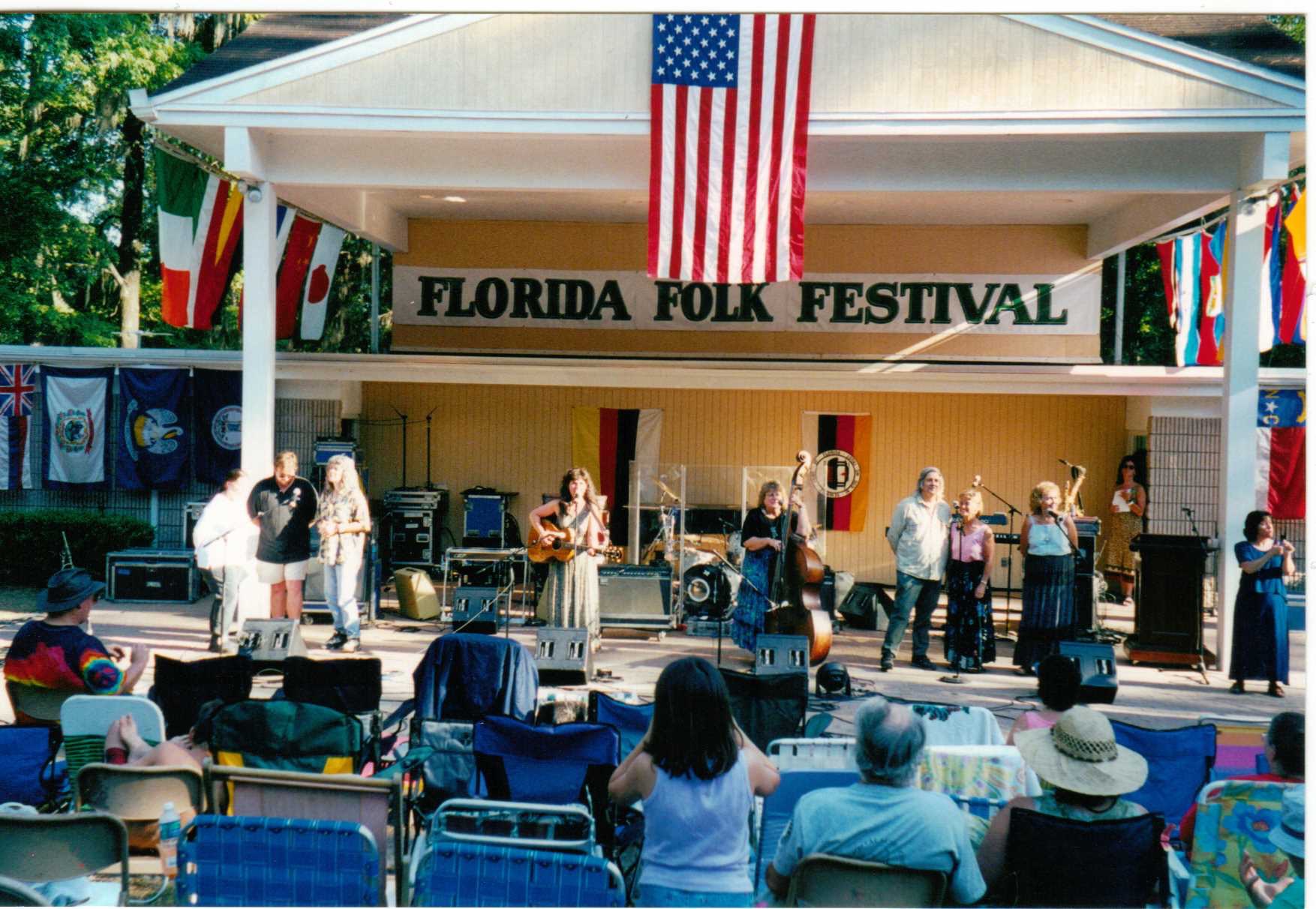 Thousands of visitors “came home to Florida” last weekend. That was the theme of this year’s 45th Annual Florida Folklife Festival in White Springs. Many of the state’s well-known recording artists as well as the “not-so-famous” entertained audiences on a variety of outdoor stages. Donna Green-Townsend attended this year’s festival and reports the success of the event can be felt through the three senses: smell, sight and sound.