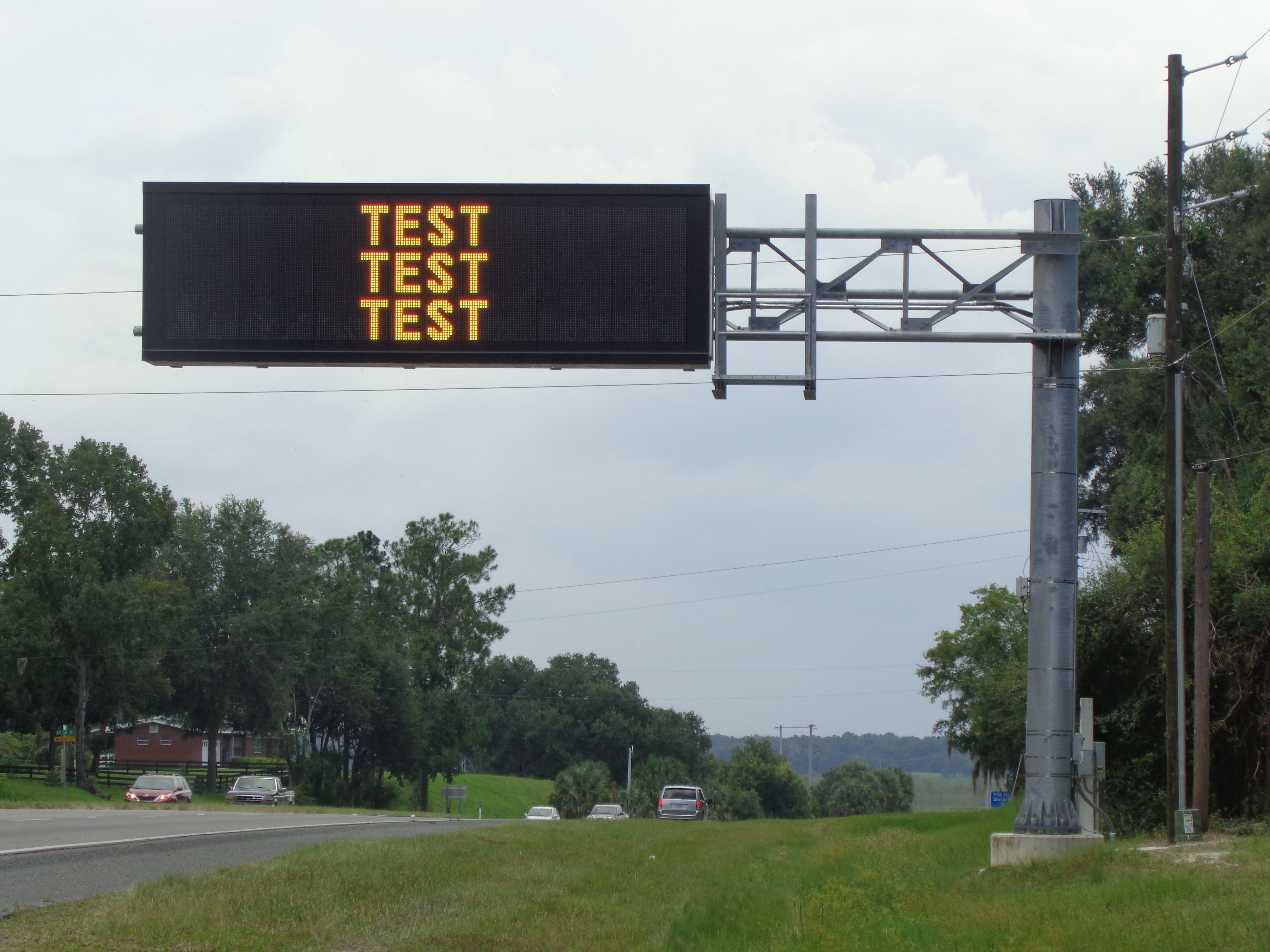
New signage on U.S. 441 on the rim of Payne’s Prairie (photo by Donna Green-Townsend)
More than 3 years after 11 people lost their lives in multi-vehicle pileups on a foggy and smoky Interstate 75 near Gainesville, transportation officials are finally adding and testing new signage to help prevent a similar tragedy.
In addition to the electronic signs, the Florida Department of Transportation has also installed poles on both U.S. 441 and I-75 which will hold a variety of technology including cameras for closed-circuit television as well as fog and weather sensors.
The city of Gainesville’s traffic operations center will monitor the cameras and sensors. As conditions warrant messages will be relayed to the electronic signs. The work was originally supposed to be completed in late spring.
The signage comes after series of accidents on January 29, 2012 which occured when smoke from a wildfire on Payne’s Prairie became mixed with fog reducing visibility to nearly zero. Eleven people died in the pileups and nearly two dozen were hospitalized.
Earlier posts:
Highway Patrol reacts to pressure on the agency since I-75 crashes
Aired on WUFT on February 1st, 2012
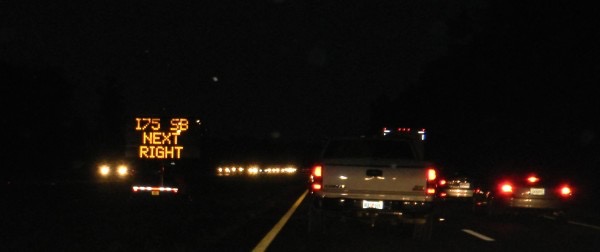
Cars braking during dense smoke on Interstate 75 on the night of the multi-vehicle accident (photo by UF student Ronny Herrera)
The Florida Highway Patrol has been under fire since Sunday’s multi-vehicle pileups on Interstate 75. The Florida Department of Law Enforcement is currently investigating whether the highway patrol made the right decision to reopen I-75 after the roadway experienced periods of heavy smoke early that morning. In all eleven people died in the fiery crashes and nearly two dozen were taken to hospitals. Florida’s 89.1, WUFT-FM’s Donna Green-Townsend talked with Florida Highway Patrol Lieutenant Pat Riordan about the latest on the accident investigation and the current mood of the officers who work for the patrol.
Redirected traffic on US 441 the night following the I-75 pileup (photo by Donna Green-Townsend)
Links to original stories (audio and video) on the I-75 tragedy below:
Smokey conditions continued throughout the day on US 441 following the I-75 tragedy (photo by Donna Green-Townsend)
DNA testing identifies another body at infamous Florida School for Boys
By Ben Montgomery, Times Staff Writer Tuesday, August 4, 2015 2:20pm
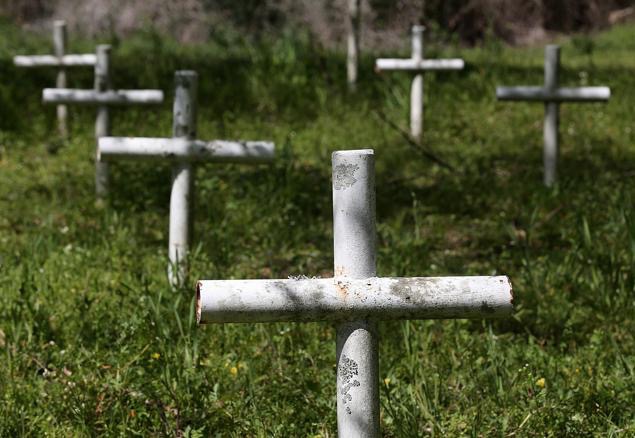
TAMPA — Robert Stephens was murdered in 1937 and buried in an unmarked grave on the campus of Florida’s oldest state-run reform school, the Florida School for Boys, in the Panhandle town of Marianna. On Tuesday, University of South Florida researchers announced that they have identified his remains using DNA and returned them to the boy’s family.
“Sometimes persistence pays off,” said Erin Kimmerle, a forensic anthropologist at USF who is leading a project to identify the human remains excavated from the brutal reformatory campus. Stephens is the sixth boy to be identified. The state believed the cemetery contained 31 burials until USF researchers found 51, most of them buried in the woods surrounding a marked burial ground.
Stephens was buried supine, his arms folded across his abdomen. His remains were too deteriorated to determine cause of death, Kimmerle said, but records from the school and the Jackson County clerk’s office say he was stabbed to death by another inmate, Leroy Taylor, on July 15, 1937, just after his 15th birthday and after 10 months of confinement for breaking and entering. His remains did reveal that he had a severe ear infection and his dental hypoplasia suggests he was diseased or malnourished, Kimmerle said.
Key FL lawmaker wants a federal probe into abuse allegations at Dozier School for Boys
March 2, 2015
U.S. Sen. Bill Nelson (D-FL) is asking the U.S. Justice Department to examine new evidence about the deaths of youth at the now defunct Dozier School for Boys in Marianna, FL. In a letter dated February 24th to U.S. Attorney General Eric Holder Nelson wrote,“Given new information about wards of the shuttered reform school, and a long history of mistreatment allegations surrounding the Arthur G. Dozier School for Boys in Marianna, FL, I believe the department is uniquely positioned to provide an outside and independent review.”
Nelson said earlier in February University of South Florida researchers reported they have found the remains of 51 individuals buried on the grounds of the reform school. He says this contrasts with a 2009 investigation by the Florida Department of Law Enforcement which concluded 31 individuals were buried on the school grounds.
“I remain troubled that university researchers have uncovered information not contained in the state’s 2009 report,” said Nelson.
The USF team conducting the excavations received a grant to do their forensic research in 2013 from the National Institute of Justice. The team used a variety of technology, including ground penetrating radar, to find the grave shafts of at least 50 unmarked burial sites.
Senator Nelson told Attorney General Holder the USF research indicates children at Dozier suffered from nutritional deficiencies, lack of dental care, and underdevelopment. In one grave, officials discovered what they think may be a buckshot.
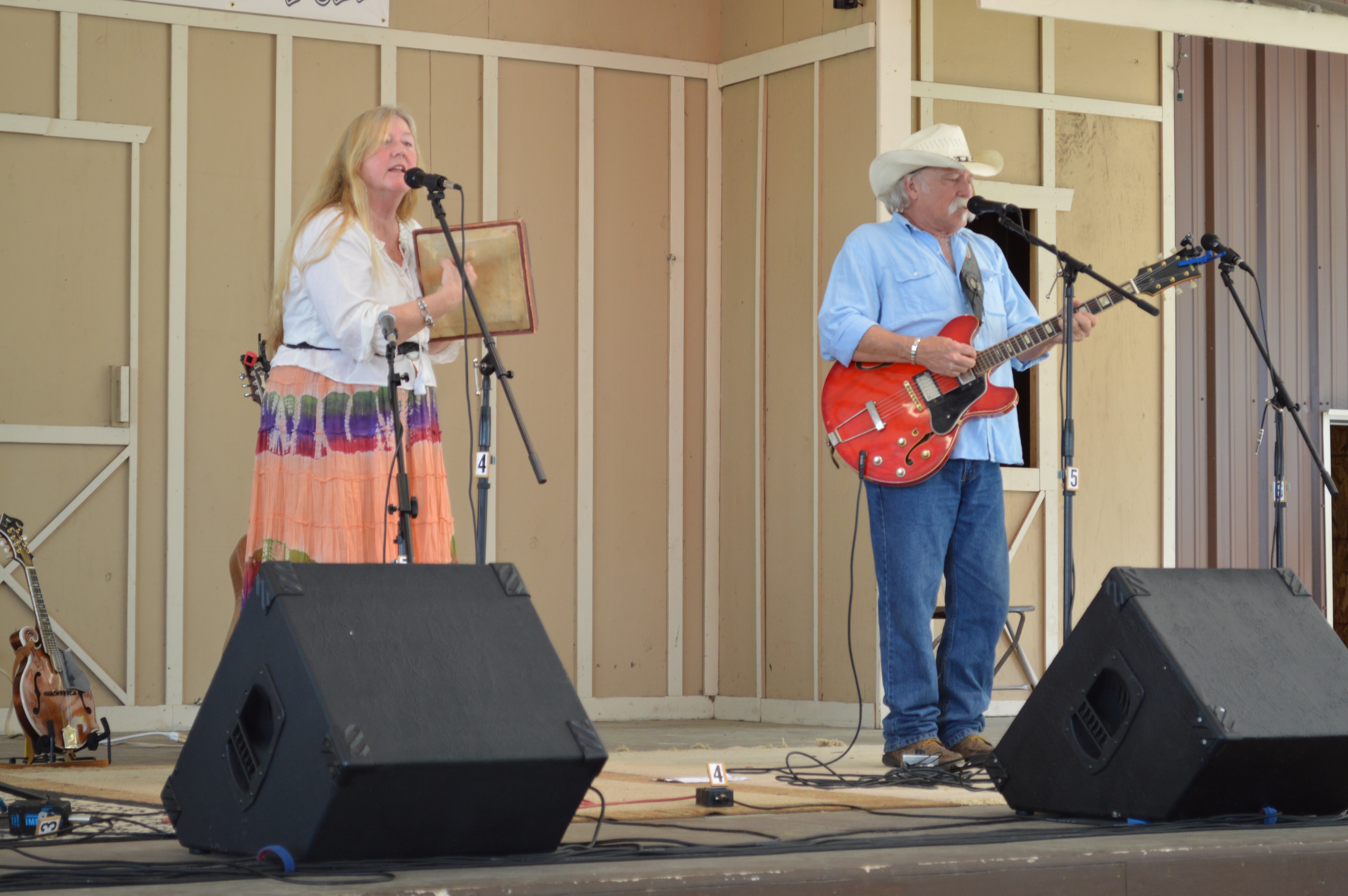
Maggie and Michael McKinney (Lucky Mud)
Singer Songwriter Maggie McKinney from Econfina Creek, FL, just north of Panama City says she had several friends who were sent there as teenagers.
“They told us stories, but we had no idea how bad it really was. At Christmas the entire grounds were decorated with beautiful lights and the tradition in the area was to ride up to the school and look at the beautiful Christmas lights,” said McKinney. She said about three years ago, “When I heard about just how bad it was there for those boys…I felt like I had been punched in the stomach. I wrote the song shortly after that.”
McKinney’s song about the unmarked graves at the Dozier School for Boys is called, “Lost Boys of Dozier.” The song is included in a video she and her husband Michael McKinney (Lucky Mud) produced featuring pictures from the now closed reform school.
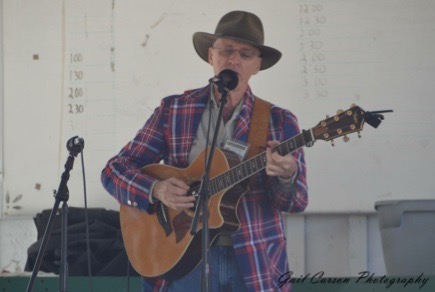
Al Scortino
Singer Songwriter Al Scortino from Sebastian, FL was also inspired to write a song about the unmarked graves of the boys who died at the Dozier School for Boys called, “Marianna.”
The work continues to identify the remains and how they died through scientific techniques including DNA matching. According to a press statement, researchers uncovered bones, teeth, and numerous artifacts in all of the burials. The research team is expected to develop a “summary report” for each body, including findings from not only the skeletal and dental remains, but uncovered artifacts, and burial context.
The team is continuing its efforts to find surviving families of former Dozier students to collect DNA. The research team has released a list of those families online. Anyone with information on the families should call Hillsborough County Sheriff’s Master Detective Greg Thomas at (813) 247-8678.
There is also a website dedicated to finding answers for family members.
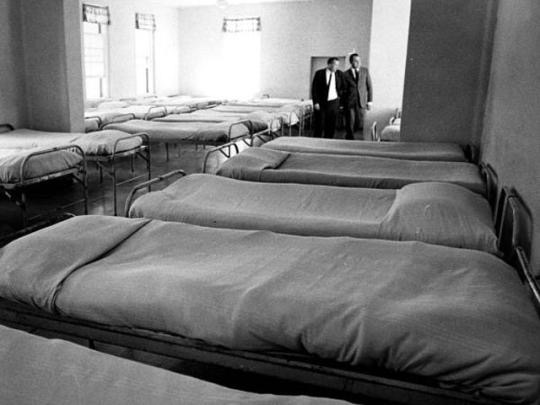
Former Governor Claude Kirk tours the Dozier School for Boys in 1968.
The Dozier School for Boys opened at the turn of the twentieth century in Marianna, west of Tallahassee. State records indicate 96 boys died while housed there. The juvenile reform school has been the subject of repeated state and federal investigations.
According to a statement from the research team, the search for unmarked burials is set to resume at the shuttered school in the coming months using specially-trained K-9 teams and ground penetrating radar.
Earlier Posts
September 3, 2013
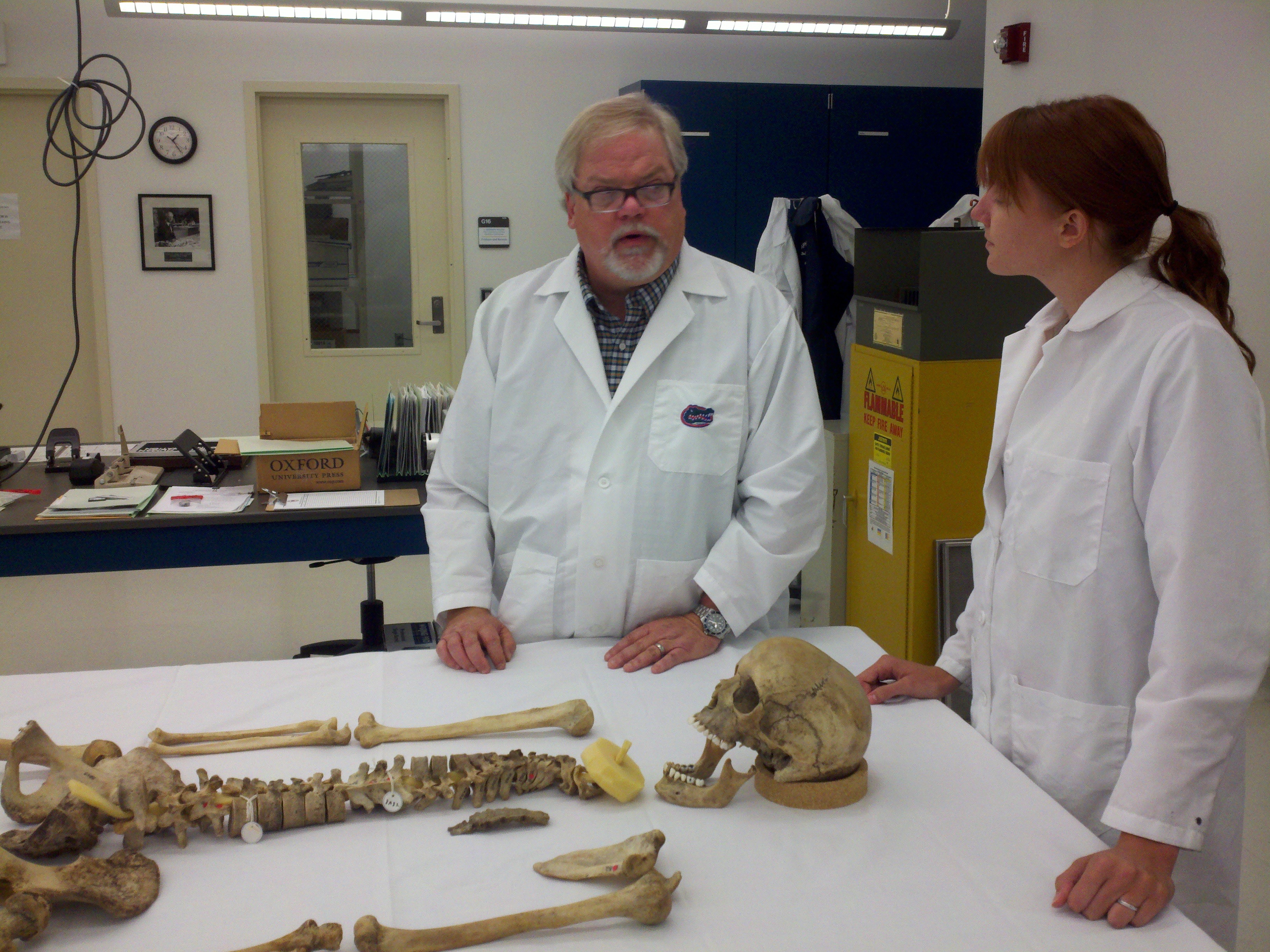
Program Director of the C.A. Pound Human Identification Laboratory at the University of Florida, Michael Warren.
The first round of excavations ended on Tuesday at the now closed Dozier School for Boys in the Marianna community in Florida’s Panhandle with the discovery of the skeletal remains of two bodies. University of South Florida Anthropologist Erin Kimmerle and a team of archaeologists are working to exhume, identify and examine bodies from unmarked graves at the school’s cemetery from the time period of 1914 to 1952. It’s the kind of work that University of Florida forensic specialists know very well. Program Director for the C.A. Pound Human Identification Lab at the University of Florida’s Anthropology Department, Michael Warren has worked a wide variety of high profile cases through the years, including the Caylee Anthony murder case and the recent murder of Seath Jackson in Summerfield. In the latter case Warren was asked to testify during the trial four times. Prosecutors say Jackson was shot, dismembered and burned before being dumped into an area water body. A jury found Michael Bargo guilty of first degree murder in that case. Four others in the case have been convicted.
Michael Warren talked with WUFT’s Amanda Jackson and Donna Green-Townsend about what the process will be like for the USF team doing the excavation of the unaccounted for bodies at the now closed Dozier School for Boys in Jackson County. Warren says he’s confident about the work USF Anthropologist Erin Kimmerle and her team will be doing over the next few months. The excavation of bodies from the Dozier School for Boys began on Saturday, August 31st, 2013. The unmarked graves received national attention after a group of former students, under the name, “The White House Boys Survivors Organization,” made allegations of abuse while residing at the school. Researchers believe there are at least 31 unmarked graves from between 1914 to 1952. USF received $190,000 from the state legislature and nearly $424,000 from the U.S. Department of Justice for the work. He described the process the USF team will be going through:
Published on Sep 2, 2013
USF anthropology professor Erin Kimmerle talked to reporters as exhumations begin at the Boot Hill cemetery at the Dozier School for Boys in Marianna, FL on Saturday. USF researchers are exhuming dozens of graves at the former Panhandle reform school in hopes of identifying the boys buried there and learning how they died. (video courtesy CNN, edited by Mark Schreiner)
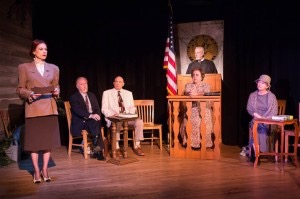
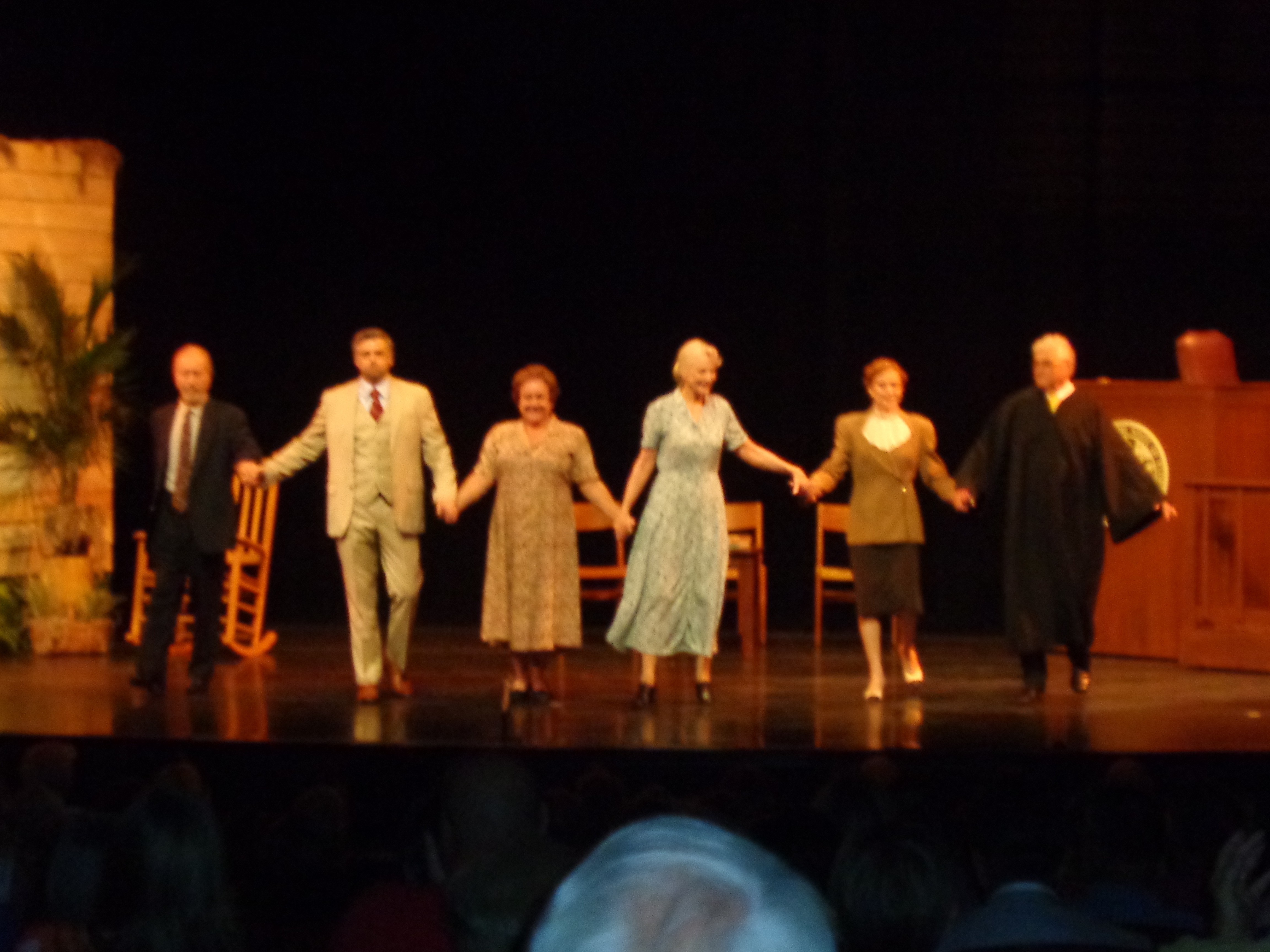
Scene from the “Invasion of Privacy” playThe cast of the play at Santa Fe College takes a bow
The 1946 Invasion of Privacy Trial of Marjorie Kinnan Rawlings vs. Zelma Cason has captivated lawyers and literary experts alike. On June 18th thru June 20th, 2015 the public got a flavor of the famous trial when the award-winning play by Larry Parr, “Invasion of Privacy,” took to the stage of the Fine Arts Hall at Santa Fe College.
It was after Marjorie Rawlings won the Pulitizer Prize for “The Yearling” that she continued her success with her book, “Cross Creek,” a book which captured what her life was like as well as her neighbors in the small fishing community. But one friend of Rawlings, Zelma Cason, didn’t take “too kindly” to the way Rawlings described her in her book and decided to sue the famous author.
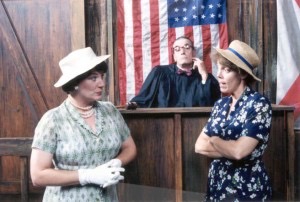
Actors in scene from “Invasion of Privacy”
Rawlings described Cason in her book as an “ageless spinster resembling an angry and efficient canary” and someone that Rawlings couldn’t decide if she should have “been a man or a mother” since she had the “violent characteristics of both.” Rawlings also talked of Cason carrying a gun and her penchant for profanity. The lawsuit brought by Cason was based on a person’s right of privacy against an author’s constitutional guarantee of free speech.
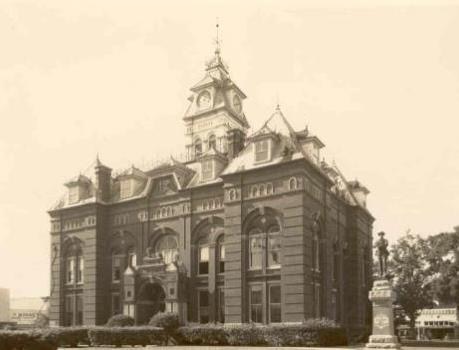
The old Alachua County Courthouse
The 1946 five-day trial held in Gainesville’s old courthouse attracted many spectators and drew international attention. At least one book and several plays have been written about the famous trial.
The public had the opportunity to meet the director of the play, soap-opera star Judith Chapman, and the cast of characters for the play at “The Invasion of Privacy” preview party which was held on Friday, June 12th at the Matheson Museum in Gainesville.
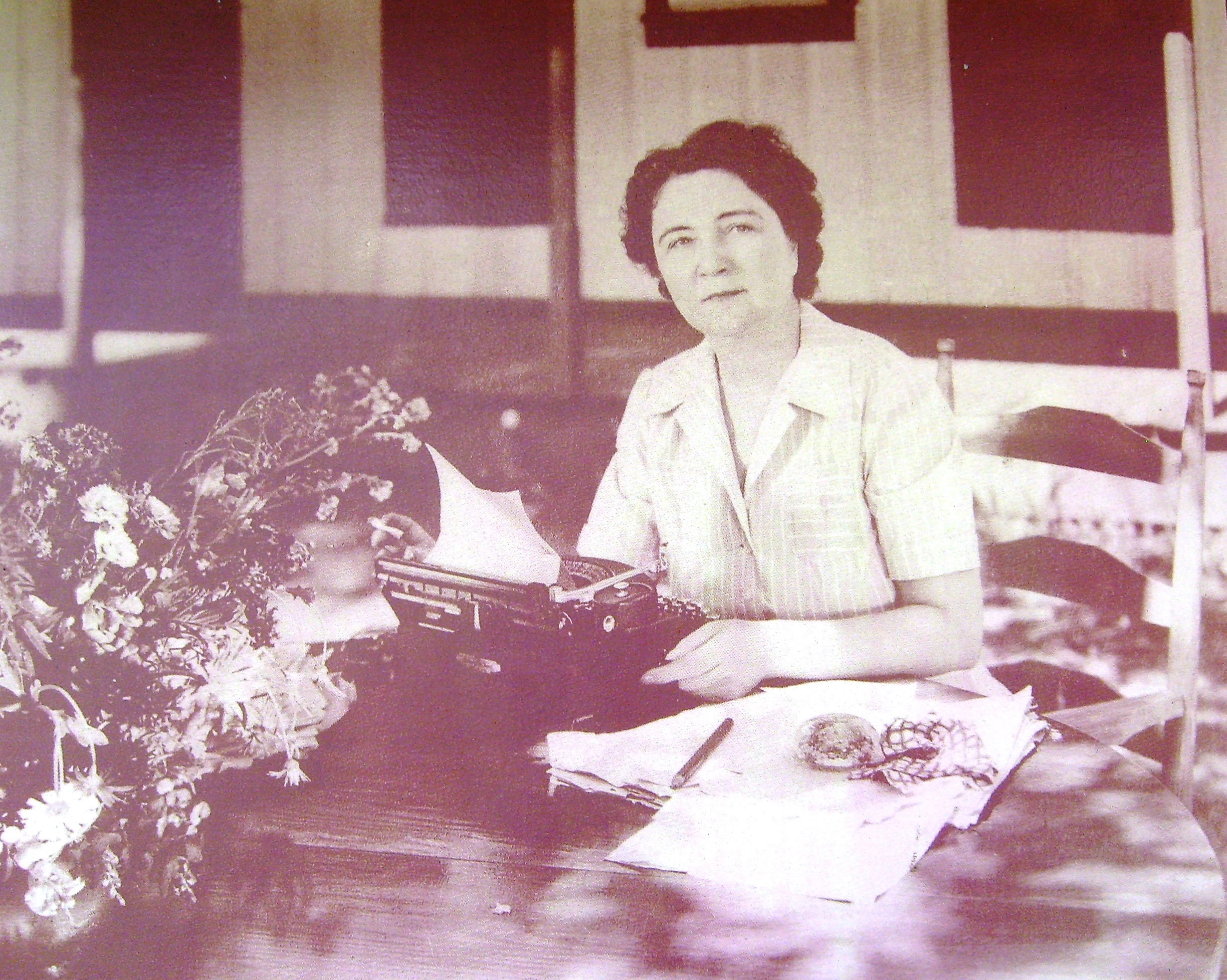
Marjorie Kinnan Rawlings on her front porch in Cross Creek
The Invasion of Privacy Trial between Marjorie Kinnan Rawlings and Zelma Cason has also been the basis for other plays, including “My Friend Zelma: The Trial of Marjorie Kinnan Rawlings,” written by retired University of Florida Distinguished History Professor Michael Gannon. Gannon’s play was presented at the Limelight Studio Theatre in St. Augustine in 2010.
Deborah Dickey, who directed “My Friend Zelma,” says Professor Gannon was a friend of Marjorie Rawling’s husband Norton Baskin, both of whom lived in St. Augustine. She says Gannon consulted with Baskin on the play when it was written and that his mother worked for Zelma Cason.
Playwright Deborah Dickey
Dickey adds there were performances of the play in the historic Fernandina Beach Courthouse where the jury consisted of an entire group of Jacksonville lawyers and a sitting judge. There was also a performance for the Marjorie Kinnan Rawlings Society during a meeting in St. Augustine.
Dickey has also written her own play called, “Cross Roads: Marjorie Kinnan Rawlings and Norton S. Baskin in Unguarded Moments.” The play premiered at Flagler College in 2012 and was presented again in March of 2013. Her play, based on the letters of Rawlings and her husband Norton Baskin, chronicles the couple’s courtship, marriage, and long separation during World War II when Baskin served as a volunteer ambulance driver for the American Field Service in India.
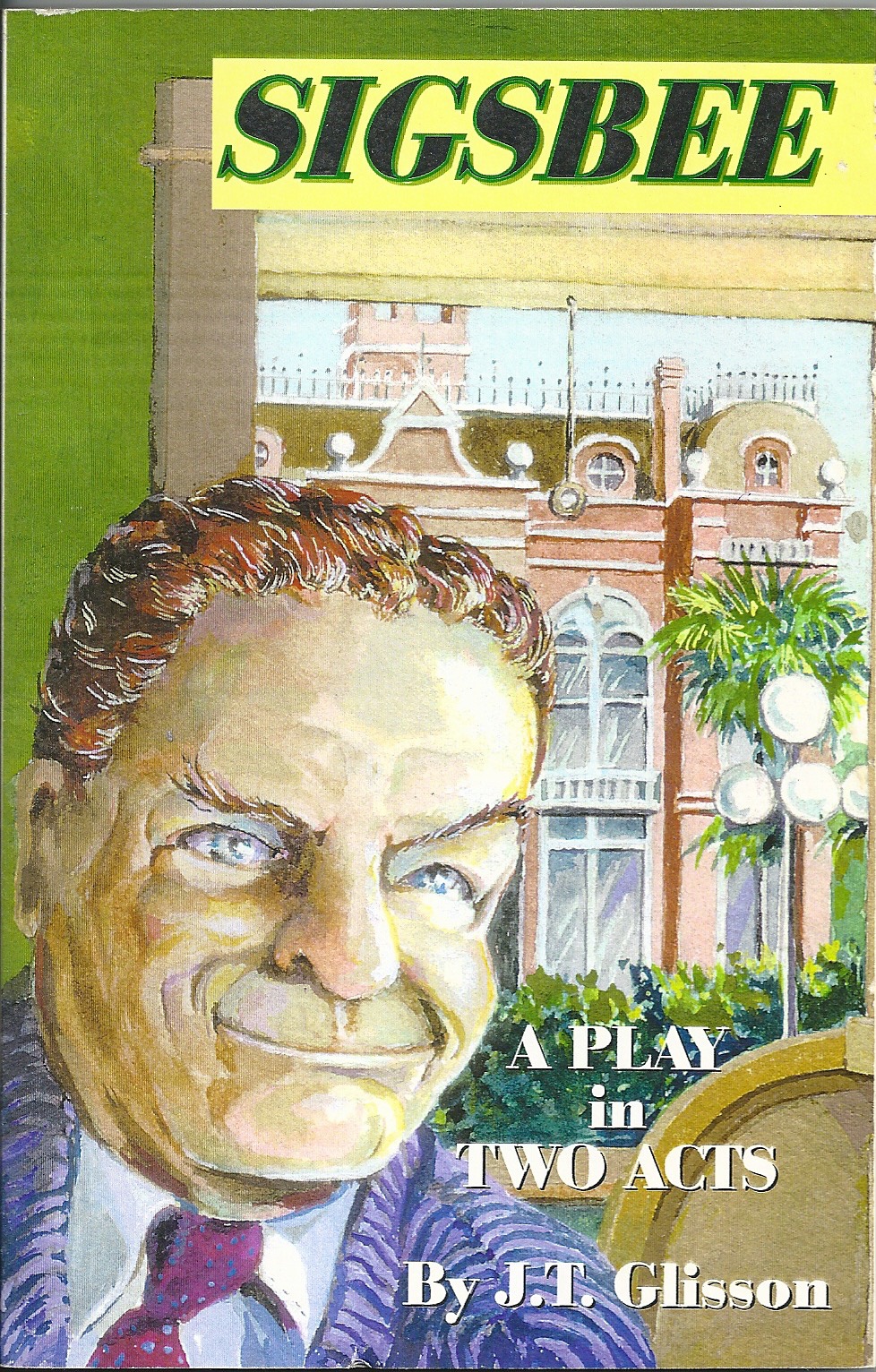
Cover of J.T. Glisson’s play, “Sigsbee Scruggs”
Another popular play about the famous “Invasion of Privacy Trial” is called “Sigsbee” written by Evinston artist and author, J.T. Glisson. The play had sold-out performances at the Ocala Civic Theatre in 2001. Sigsbee Scruggs served as one of Marjorie Rawlings defense attorneys in the 1946 trial. Sigsbee was one of Gainesville’s more colorful lawyers. Playwright J.T. Glisson had the opportunity to interview Scruggs to gather the material for his book which takes a close look at several of the more interesting legal cases handled by the late Gainesville attorney, known for not only the cases he won, but for how he won.
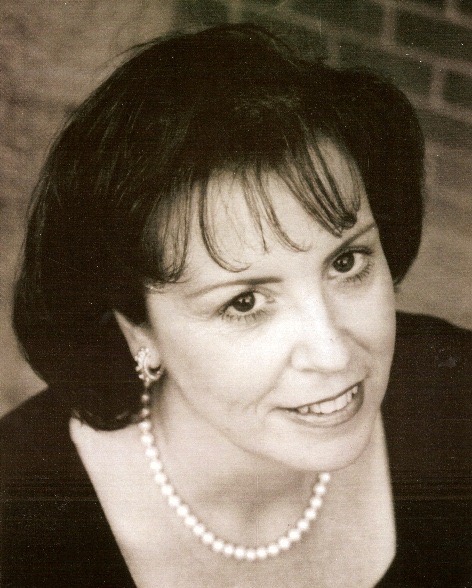
Writer and artist J.T. Glisson
Playwright Glisson recalls how his father Tom Glisson encouraged Marjorie Kinnan Rawlings to hire Sigsbee Scruggs to represent her in the Invasion of Privacy case
Glisson says anyone sitting in the courtroom during a trial with Sigsbee Scruggs was never bored
Actor Fred Mullen as Sigsbee Scruggs
Fred Mullen was the actor who portrayed Scruggs not only in Ocala, but also when the play was presented in Gainesville in 2002. Mullen says the one-man play gives the audience real insight into the famous Gainesville attorney
Actor Rip Torn portraying Marsh Turner in the film, “Cross Creek”
When the play “Sigsbee” was presented on stage on the University of Florida campus in University Auditorium it featured a special guest director. Internationally acclaimed actor, Rip Torn, a good friend of Glisson, spent the week in Gainesville assisting with the play. Torn, who received an Oscar nomination for his role in the movie “Cross Creek” filmed in the area, is also known for a noted acting career including “Men in Black I and II.” Donna Green-Townsend talked with the actor about his decision to direct the play.
———————————————————————————————–
Transcript of feature produced by Donna Green-Townsend on March 19, 1997 about J.T. Glisson’s play, “SIGSBEE” just after it was published.
Actor Fred Mullen reading from play script “Sigsbee,”— “In the trial of the case Cason v. Rawlings, it was our last chance to persuade them of the innocence of our client and their time to decide if Marjorie Kinnan Rawlings Baskin was guilty or not guilty of “invading the privacy and slandering Zelma Cason.”
Defense attorney “Sigsbee Scruggs” spoke to a standing-room only crowd in the Gainesville courthouse in May of 1946. Throughout the trial of Zelma Cason vs. Marjorie Kinnan Rawlings a packed courthouse turned out each day to listen to a colorful cast of characters called upon from Cross Creek to defend the Pulitzer-Prize-winning author who was being sued for 100-thousand dollars by her close friend Zelma Cason. The suit was over Rawlings description of Cason in the book “Cross Creek.” Evinston author and first time playwright J. T. Glisson has retained a fascination for the trial and defense attorney “Sigsbee Scruggs” for 50 years….a fascination which lead him to interview Scruggs in the 1970s ….an interview now turned into a one-man play simply entitled “Sigsbee.”
J.T. Glisson said, “ I was away in service when the Marjorie Kinnan Rawlings, Zelma Cason trial happened which was the biggest thing that happened in Gainesville up until that time. And I thought I’m going to stop by and see Mr. Scruggs and let him tell me, because he was a wonderful storyteller anyway, and so he lived out on South Main Street in Gainesville and I went by his house and he knew my father well and he was polite enough to say he remembered me but, what he really remembered was me trailing along after my dad I’m sure, but he invited me in.”
Glisson fondly recalls Scruggs colorful play by play account of the Cason-Rawlings trial, “..and then he told me who was sitting where. How many people were there. He gave me a brief description of the judge. He described Zelma whom he was very, unfriendly towards. Said she was a great lady and wonderful person, interesting, real fine lady and then he desribed Mrs. Rawlings. Of course in the description though he said Mrs. Cason was a fine lady and interesting person and as good as anyone you ever knew, helped anybody out that she could but, profane. He said Mrs. Rawlings, he pronounced Mrs. Rawwwwlings and he said Mrs. Rawwwwlings, a profane person also. ….”
Glisson remembers how his own father, Tom Glisson, a good friend of Rawlings, encouraged her to select Sigsbee Scruggs as part of her famous defense team, most of which came from out of town,
“He said, “yes, you’re going to have a local jury and you bring in all that high-powered out-of-town stuff and it’s not going to go well and he said if you do that you ought to lose. She said well who would you suggest and my dad said “You’re guilty, I would suggest Sigsbee Scruggs”
Cason vs. Rawlings was just one of the more interesting cases involving Scruggs. In his half century law practice in North Central Florida Glisson writes that Scruggs, a 1922 graduate of the University of Florida Law School, became notorious for his defense in a very unpopular murder trial and his defense of local fisherman against state game wardens. Besides Alachua and Gilchrist, this son of a Baptist deacon frequently defended clients from Dixie, Lafayette, Taylor and Suwannee counties. Even though a family lawyer, Sigsbee Scruggs hated divorce cases. Glisson writes he considered them the most unpleasant part of his practice. Glisson includes in his play one of the more unique divorce cases Scruggs turned around. It was the divorce case of Sam Hemings vs. Beth Hemings.
Actor Fred Mullen performing a scene from the play, “I said I see you folks come into town nearly every Saturday and after you finish buying groceries I see your wife sitting in your pickup, waiting while you swig down three or four bottles of beer in that juke joint out on the High Springs road. I think it is called the Heatwave.”
His ears turned red and his face went white. He shouted, “You just hold on there, Sigsbee Scruggs! What the hell does that have to do with a de’vorce?”
I said, “Before I answer that, Mr. Hemings when was the last time you took your wife to a picture show or treated her to a meal she didn’t cook.”
“Sigsbee” is J. T. Glisson’s first play. He’s already achieved recognition for his artistic abilities and most recently for authoring the book “The Creek” written about his early recollections of Cross Creek from an insider’s point of view. “Sigsbee” is a new endeavor for the artist and is geared as a one-man play in two acts,
“I thoroughly enjoyed “Give ‘em Hell Harry.” I saw the Will Rogers play which are both the same types of plays where you have one person who comes on the stage and they are that person. And I envisioned it with only the props around him and one person who had to captivate an audience from the moment they walked out there and do it which can be done. If they can be Sigsbee Scruggs, Sigsbee Scruggs could have held an audience for six hours.
Local playwright J. T. Glisson has high hopes for “Sigsbee.” Already nationally acclaimed actor/director Rip Torn is considering bringing the production to stage in New York. For Florida Public Radio, I’m Donna Green-Townsend.
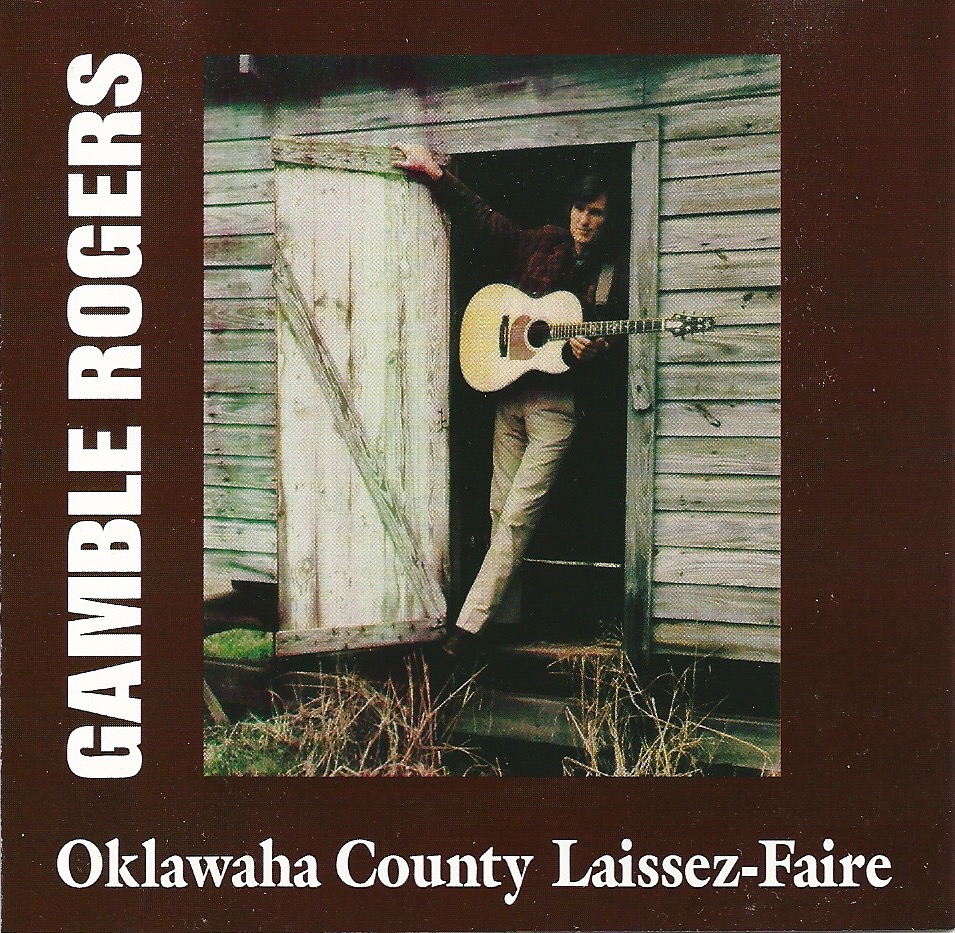
Rogers is known for his Travis-style guitar fingerpicking along with his storytelling which brings a mythical Florida county called Oklawaha into the national spotlight.
On October 10, 1991 Rogers lost his life while trying to save a drowning tourist off Flager Beach.
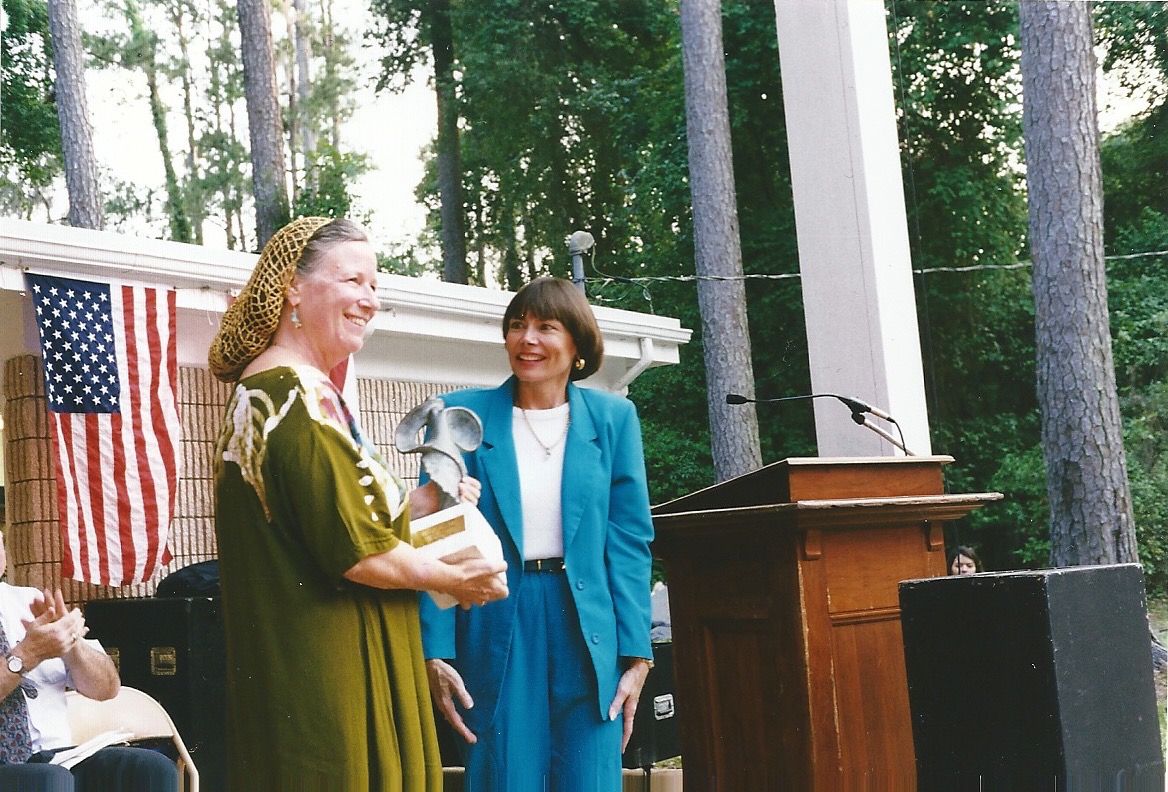
Sec. of State Sandra Mortham presenting Gamble’s wife Nancy with the Artists Hall of Fame Award
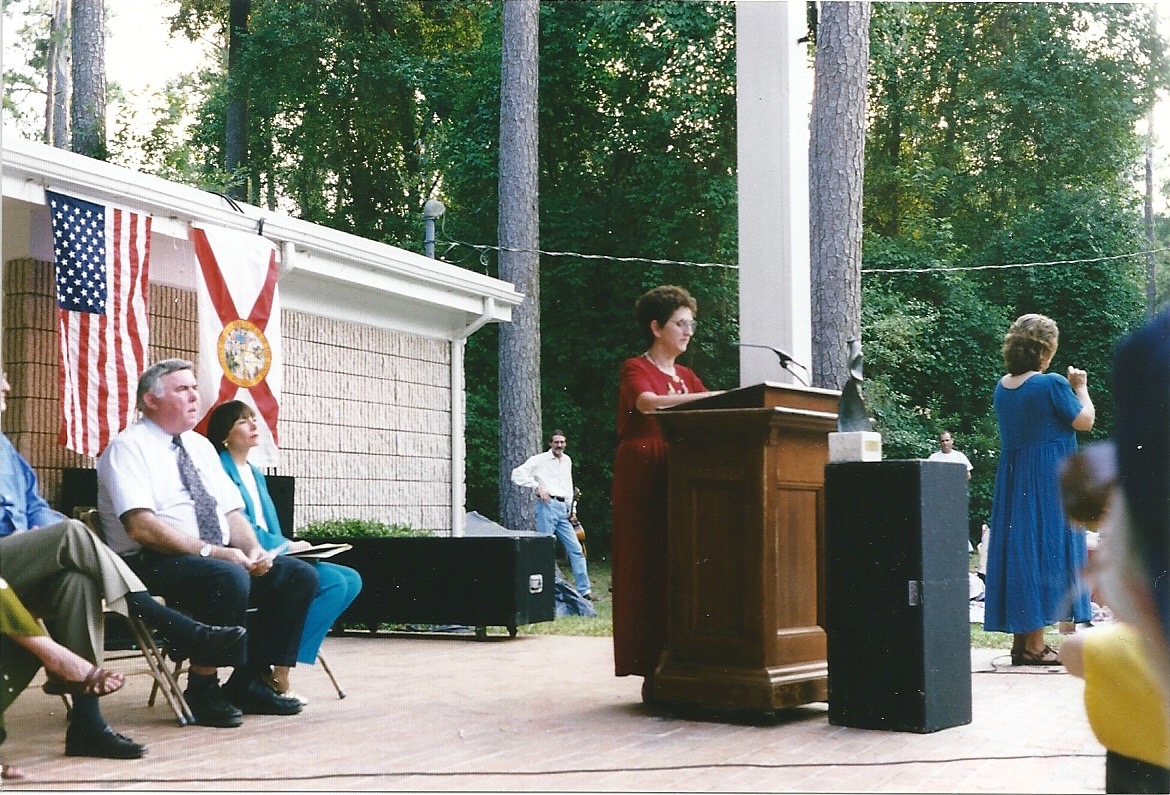
On Memorial Weekend 1998, during the Florida Folk Festival, the then Florida Secretary of State, Sandra Mortham, publicly inducted the late Gamble Rogers into the Florida Artists Hall of Fame.
Rogers has joined the likes of Marjorie Kinnan Rawlings, Will Mclean and Ray Charles in the Florida Artists Hall of Fame. He already has a middle school, state recreation area and a folk festival named in his honor.
Donna Green-Townsend reports on the successful musical career leading up to the induction.
1998 Hall of Fame Induction Ceremony
During the induction ceremony at the Florida Folk Festival in White Springs Dale Crider performed, “Song for Gamble,” written by Steve Gillette and Cindy Mangsen. Crider was accompanied by Elisabeth Williamson on guitar and vocals and Barbara Johnson on bass.
Here’s audio of the trio practicing the song earlier that afternoon in the campground before the evening ceremony:
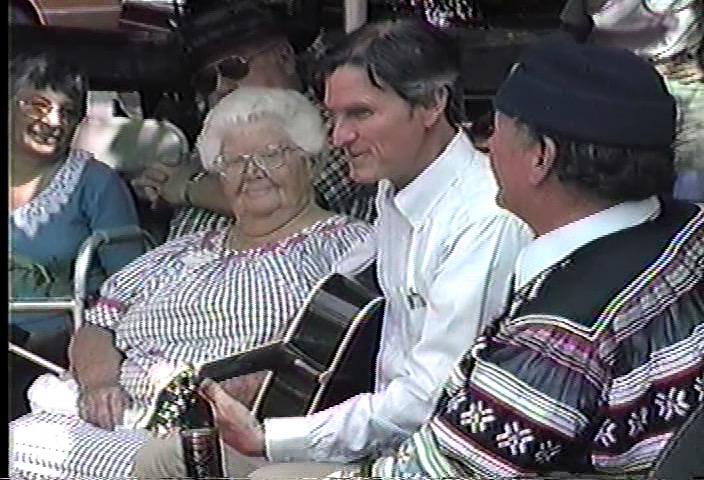
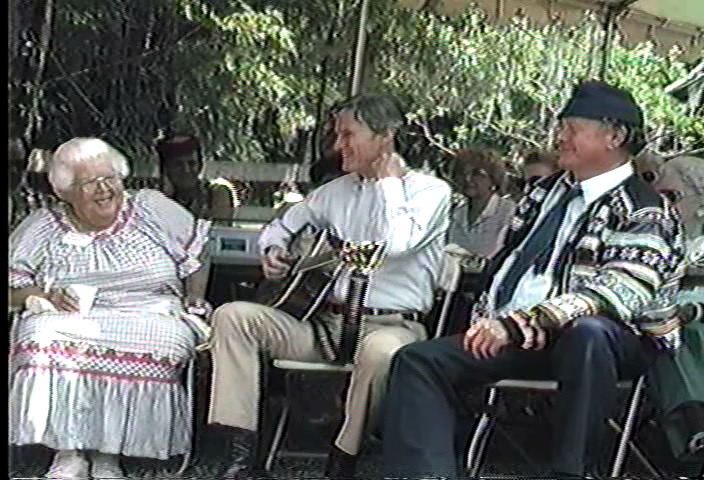
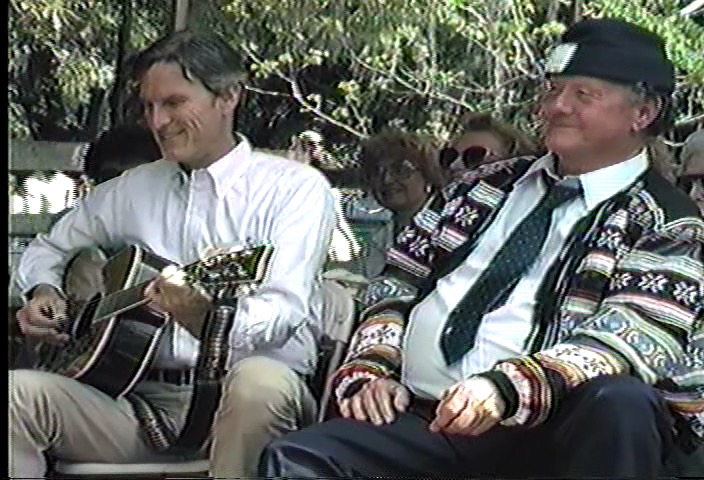
In this rare footage, taken by an amateur photographer at the 50th anniversary of “The Yearling” at the Marjorie Kinnan Rawlings State Historic Site in Cross Creek in 1988, Rogers joined his folk colleagues, the late Cousin Thelma Boltin and the late Father of Florida Folk Will McLean, to share stories and songs. The short video opens with McLean singing his beloved, “Florida Sand” followed by McLean introducing his friend Gamble.
Here’s a video of Gamble performing Black Label Blues:
In the following interview Gamble’s friends Steve Gillette, Cindy Mangsen and Dale Crider reflect on their long time relationship with the nationally acclaimed guitar player.
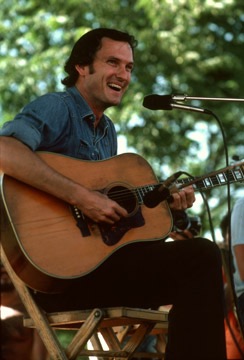
Gamble Rogers
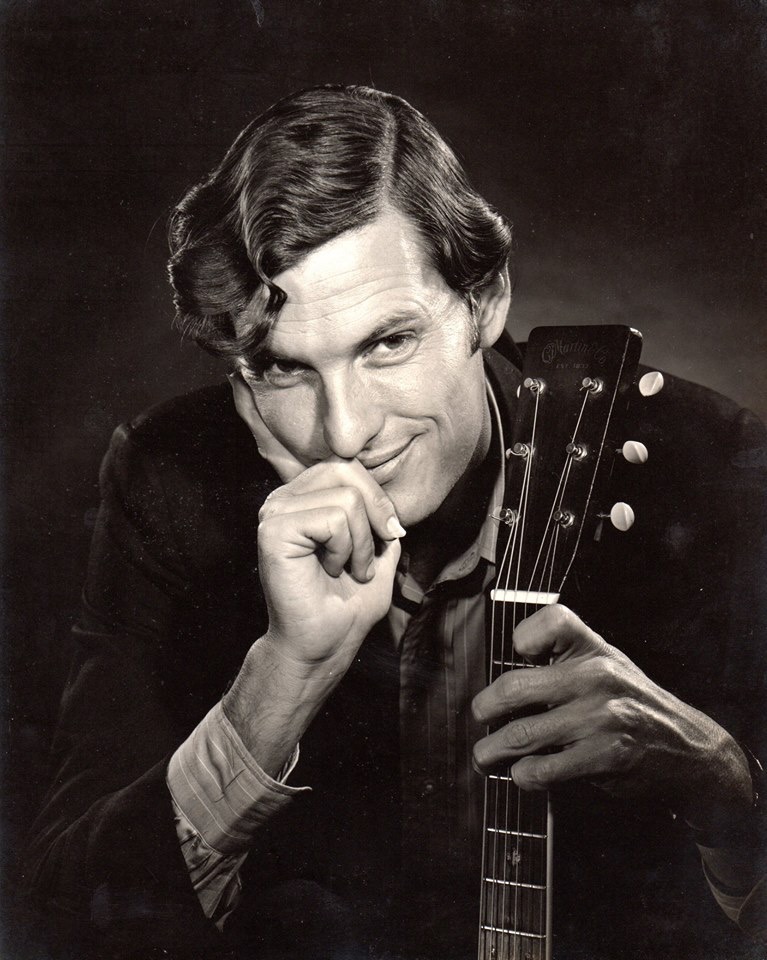
Gamble Rogers
Gamble with Red Henry and Dale Crider at Florida Folk Festival in the mid 70s
Gamble with Red Henry, Dale Crider and others at FFF mid 70s
Early photo of Dale Crider and Gamble Rogers sharing a stage
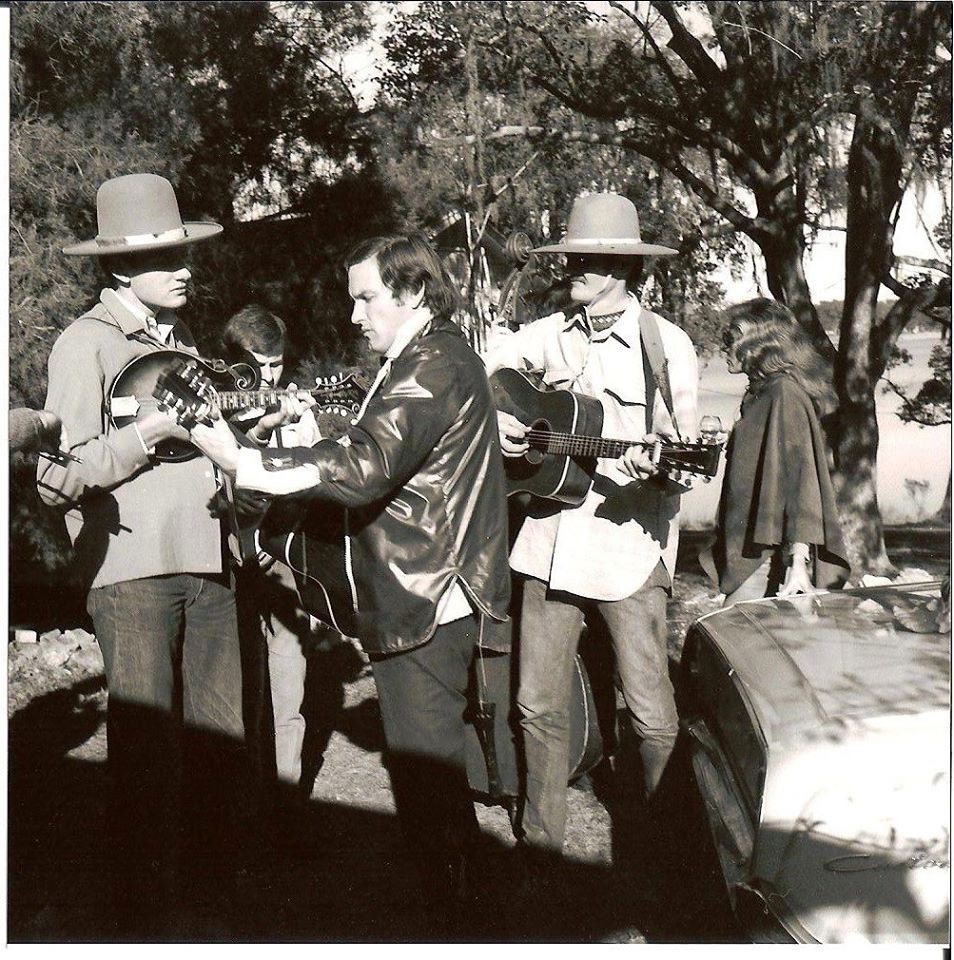
(left to right) Paul Champion, Gamble Rogers and Will McLean
Gamble Rogers
Cover of Gamble’s album Oklawaha County Laissez-Faire
Cousin Thelma Boltin, Gamble and Will McLean at Yearling Festival 1988
Yearling Festival 1988
Yearling Festival 1988
Gamble playing at Yearling Festival 1988
Yearling Festival in Cross Creek, FL 1988
Dale Crider, Lis Williamson and Barbara Johnson performing at the Hall of Fame induction ceremony in 1998
Jesse Winchester performing at the Butterfly Festival in Gainesville in 2007
Editor’s note: It’s been just a little more than a year since the Memphis-bred songwriter Jesse Winchester died from cancer. Since that time a variety of artists have released a tribute album to the beloved songwriter called “Quiet About It: Tribute to Jesse Winchester.” The album includes such artists as Jimmy Buffett, James Taylor, Vince Gill, Elvis Costello, Roseanne Cash, Lyle Lovett and Lucinda Williams to name a few.
I personally fell in love with Jesse’s music long before I ever had the opportunity to interview him just before the 2007 Butterfly Festival in Gainesville. It was such a memorable interview for me as Jesse truly opened up about growing up in Mississippi and his early musical influences in Memphis. Below you can listen to the one-hour radio special that was a result of that interview, including many of his most popular songs. The program re-aired in 2009 just before the Gamble Rogers Festival in St. Augustine where Jesse also performed.
In 2009, Jesse Winchester experienced a career renaissance. He gave several concerts and released the crtically acclaimed album, “Love Filling Station.” He also was a guest on the Elvis Costello television show, “Spectacle.” Elvis Costello remembers how the audience and the other performers on the program were moved to tears by Jesse’s performance.
Just at the height of his comeback Jesse was diagnosed with esophageal cancer in 2011. It was during his recovery from the first diagnosis of cancer that his fellow friends and artists decided to record the tribute album to show their love and support. He eventually received a clean bill of health and went back to performing and finished a new album called, “A Reasonable Amount of Trouble.” Sadly, in February of 2014, he was diagnosed with inoperable bladder cancer and he spent his final days at home under hospice care. Below is a live performance of Jesse singing one of the more poignant songs from that album, “Just So Much The Lord Can Do,” at the Bow Valley Music Club in Calgary, AB on March 23rd, 2013
Original Story posted April 11, 2014
Singer/songwriter jesse Winchester died Friday morning at his Charlottesville, Va., home. Winchester had been suffering from cancer. He was 69.
Winchester’s music blended folk, country and blues. Some of his best known songs included Say What, The Brand New Tennessee Waltz, Yankee Lady, Gentleman of Leisure, Just Like New, That’s What Makes You Strong, My Songbird, Just ‘Cause I’m In Love With You, You Remember Me, Defying Gravity, Little Glass of Wine and Mississippi You’re on My Mind, among many others.
Many of his songs were covered by such popular artists as Wynonna Judd, Bonnie Raitt, Reba McEntire, Emmylou Harris, the Everly Brothers, Joan Baez, Jimmy Buffett, Claire Lynch, Patti Page, Ralph Stanley and the Clinch Mountain Boys, Nicolette Larson and others.
Winchester was born in Louisiana but grew up on farms in Mississippi and also lived in Memphis. When he received his draft notice in 1967 he fled to Canada to avoid being sent to fight in Vietnam. In Montreal he met Robbie Robertson of The Band, who produced his first album, Jesse Winchester in 1970. He received amnesty along with other draft evaders from President Jimmy Carter in 1976. Winchester did not return to live in the U.S., however, until 2002 after he had married his second wife.
Last fall, artists including James Taylor, Buffett, Elvis Costello, Lyle Lovett, Rosanne Cash, Lucinda Williams and Vince Gill recorded his songs for a tribute album called Quiet About It. Before his death, he had completed a new album, A Reasonable Amount of Trouble, with producer Mac McAnally. That album is expected to be released later this year.
In October of 2007 Jesse Winchester performed at the Butterfly Festival in Gainesville. In advance of the concert he talked with Donna Green-Townsend and was featured in an hour long special. In the interview he talks about his early years in Missisippi and Memphis, the inspiration for many of his songs and his thoughts about the music industry today. The special was rebroadcast on WUFT prior to Winchester’s performance at the 2009 Gamble Rogers Festival in St. Augustine. You can hear that special below:
(editor’s personal note: As a young reporter in Kansas I conducted interviews with all of the musicians, songwriters and top contestants at the Walnut Valley Festival for a 26-part national music series of programs in both 1981 and again in 1982. It was during one of those years that I first became acquainted with Jesse Winchester when I heard another singer, Cathy Barton, sing one of his songs, “Mississippi You’re On My Mind.” Jesse Winchester wasn’t there, but I fell in love with the song. I’ve been singing it for more than 25 years. That’s how many years it took to finally meet the man who wrote the song when he performed at the 2007 Butterfly Festival in Gainesville (see picture below). As you can see from my smile, it was indeed a highlight for me. He had the most gentle spirit. I remember watching him perform that day with just his guitar and looking around seeing tears running down the faces of grown men in the audience during his song, “Little Glass of Wine.” He had that kind of power. RIP Jesse.)
Jesse Winchester with Donna Green-Townsend in 2007
Jesse Winchester performing at the Butterfly Festival in Gainesville in 2007
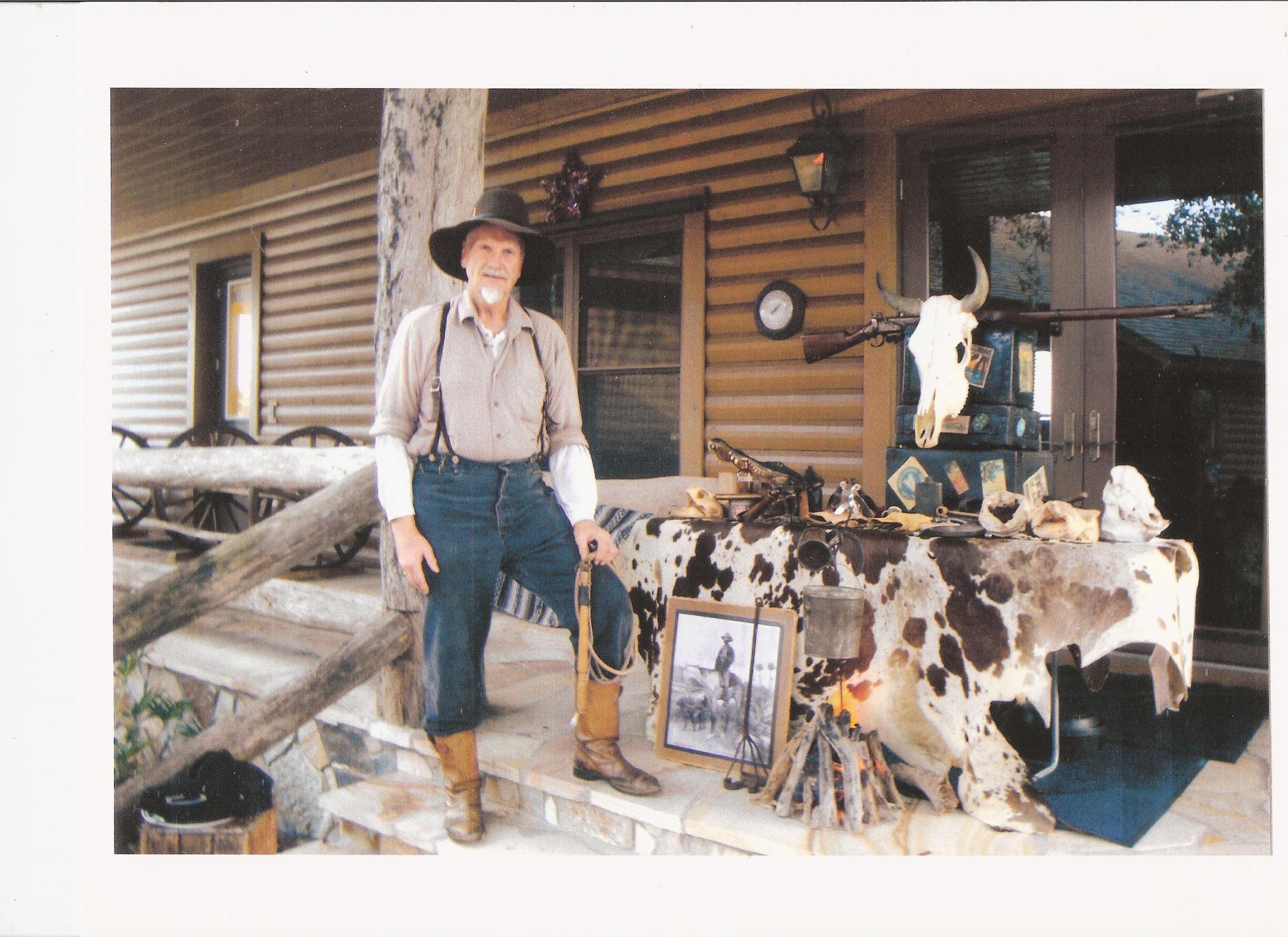
The first place award for the Will McLean Best New Florida Song Contest goes to poet Hank Mattson from Lake Placid, FL and musician Dana Robinson from Cabot, VT for the song, “When This Old Hat Was New.” Mattson says the poem depicts the dogged determination of Jacob Summerlin, a famous Florida Cracker of the 1800’s, to preserve a culture that for over 400 years has been raising cattle.
Mattson is a working cowboy and poet specializing in Florida’s Cracker Cow Hunter History. He has performed at poetry gatherings and pioneer events across the state and beyond. In 2011 he won the Laura Rider Award for excellence in folk poetry. Mattson is a member of the Florida Cattleman’s Association, the Pro-Rodeo Hall Of Fame Society and the Friends Of Florida Folk and says it’s his mission to chronicle and preserve the life and times of the myriad of Florida Folks who for more than 400 years have been “working’ cattle.”
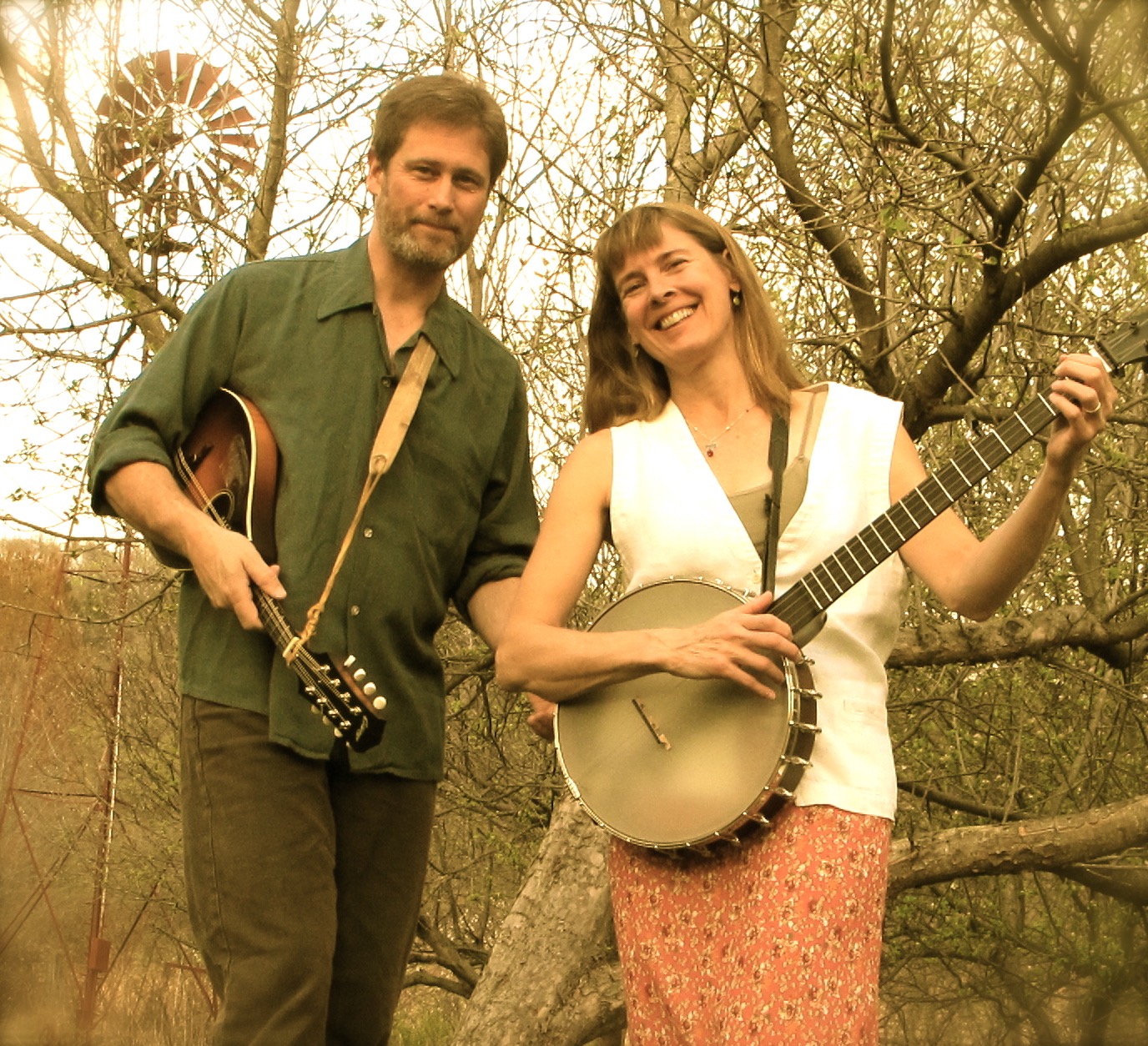
The two musicians who perform on “When This Old Hat Was New,” Dana and Susan Robinson, describe themselves as “two guitar-playing, banjo-frailing, fiddle-sawing, and harmony-singing interpreters of the American experience.” They perform a unique blend of contemporary songwriting and traditional Appalachian music. A few months ago poet Mattson met the Robinson couple at the Highlands Hammock State Park in Sebring, FL. The result was magical. Within a month Dana and Sue created a melody for Mattson’s poem.
Here’s Hank Mattson saying a few words at the Will McLean Festival on March 14th, 2015 about winning the contest.
2nd place John R. Butler
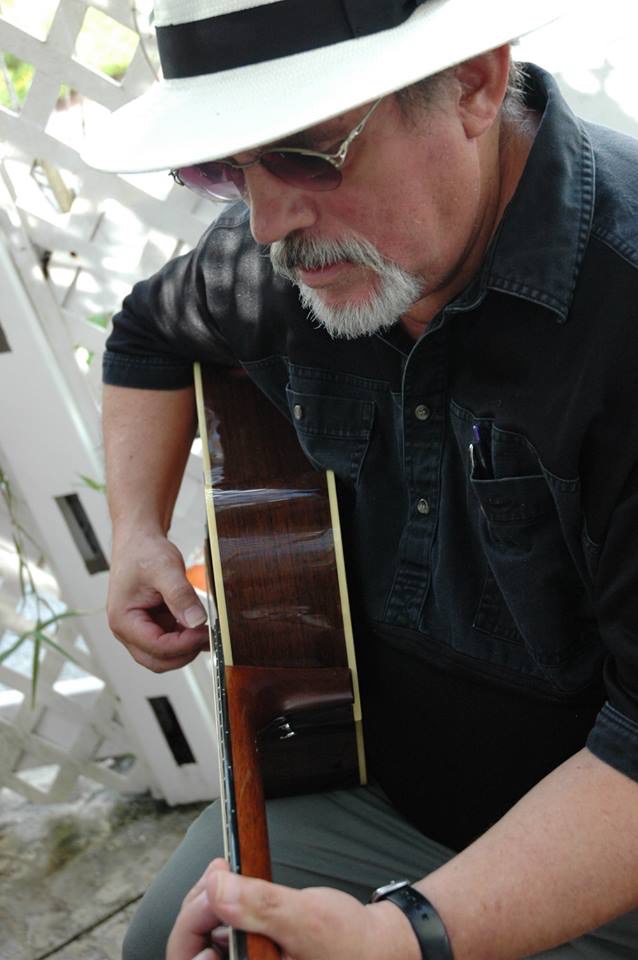
The second place finisher of the 2015 Will McLean Best New Florida Song Contest is John R. Butler from Estero, FL with his song, “O Miami.” Butler describes his song as “a musical series of snapshots of the great city, taken through the decades.”
Here’s John Butler and his band performing his song on March 14th, 2015 at the Will McLean Festival
Butler has played in a number of bands and as a solo performer throughout high school, college and beyond. His songwriting achievements include a first place finish in the 2011 North Florida Folk Festival Americana songwriting contest, a first place award in the 2014 “Hope by Song” songwriting competition in southwest Florida, and a win (as one of three co-equal winners) in the 2015 South Florida Folk Festival. One of Butler’s songs was included in the soundtrack of the 2013 feature film, “Texas Chainsaw Massacre 3-D.” Butler says these days he spends most of his performing time as a member of The Honey Creepers, a southwest-Florida based trio.
3rd place Lauren Heintz
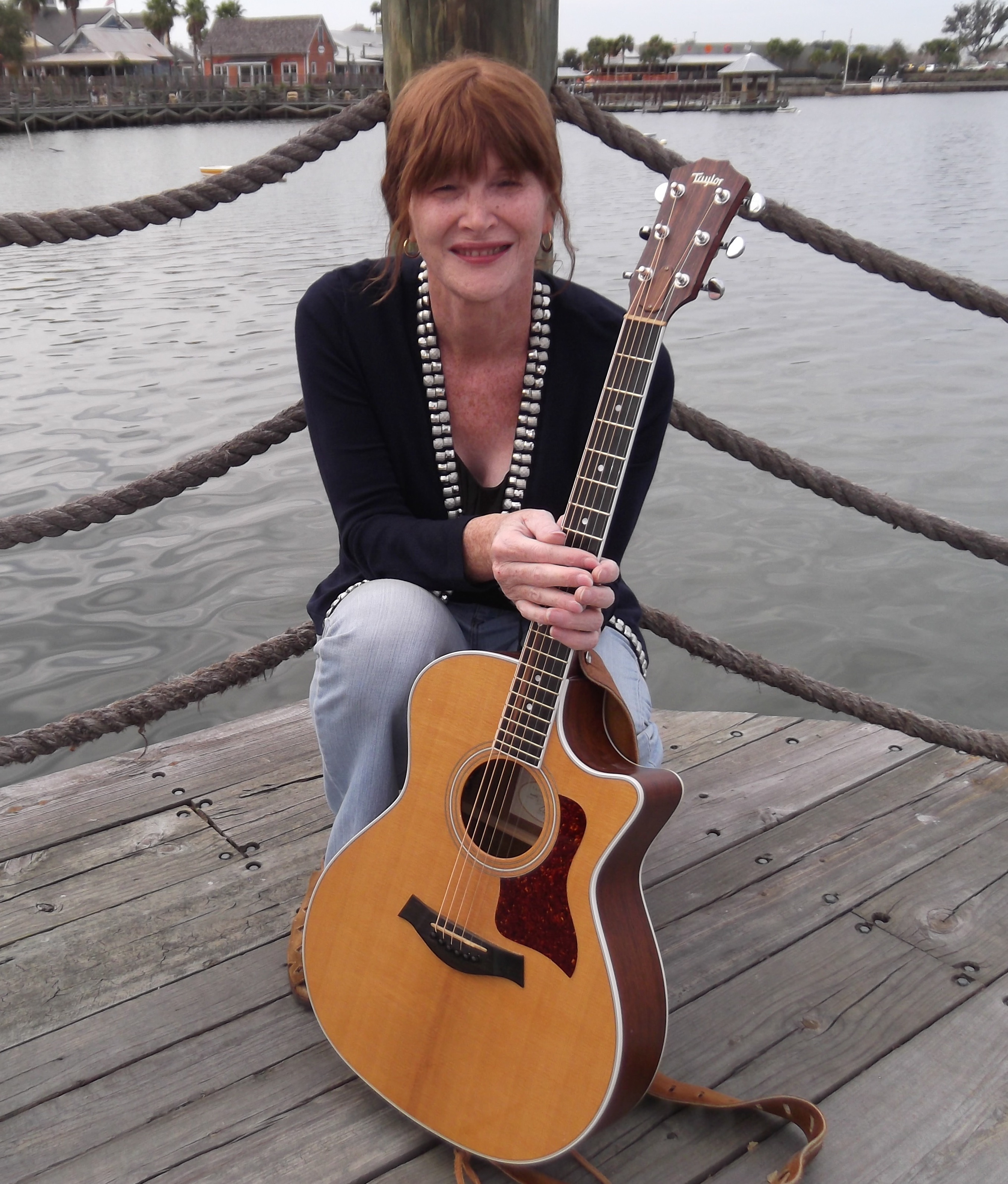
The third place finisher of the song contest is Lauren Heintz from Winter Park, FL. Heintz describes her song, “Bluer Skies,” as “a lifelong search for a home, and the exultation that results when it is discovered Florida is that place.”
On Saturday, March 14th, 2015, Lauren performed her song on the Magnolia Stage at the 2015 Will McLean Festival
Lauren is the recipient of many songwriting awards including the 2014 South Florida Folk Festival Singer/Songwriter (live) competition and recipient of the Vic Heyman songwriting award, the 2013 Walnut Valley Festival Song Contest, and has won fourth place in the 2013 and 2014 Will McLean Song Contest. She also received honorable mention in the 2014 Woody Guthrie Song Contest.
Lauren’s original music has been compared to Gordan Lightfoot, Jim Croce and John Denver. In 2012 she released the album, “Feels Like A Miracle” and has another project in the works with Gatorbone Studios.
There were 42 entries in the competition for 2015. The winning songs from the top three contestants were all featured at the 2015 Will McLean Folk Festival the weekend of March 13th-15th at the Sertoma Youth Ranch, 7 miles West of Dade City. Will McLean is considered to be the Father of Florida Folk. McLean who wanted to save Florida through music was the first folk artist inducted into Florida’s Artists Hall of Fame.
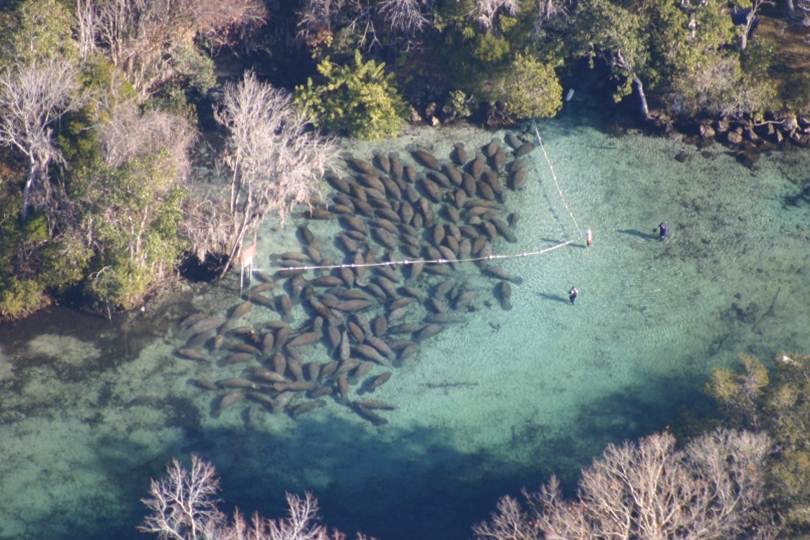
Manatees in Three Sisters Springs Sanctuary (photo courtesy of USFWS
Temperatures in Florida’s Panhandle and North Central Florida reached into the lower 30s on several days during the past few weeks. During these cold snaps hundreds of manatees head to the warm spring waters of the state. It’s not unusual to see more than 300 manatees in Kings Bay in Crystal River, Florida. In recent years the United States Fish and Wildlife Service has added new sanctuaries and reduced speed zones around the state, particularly around the Chassahowitzka National Wildlife Refuge, to provide protection for the endangered sea cow. But swimming with manatees has become a big business in Florida. As Donna Green-Townsend reports, ecotourism continues to force environmental planners on Florida’s Nature Coast to perform a precarious balancing act. (From my audio archives: produced for the national show “Marketplace” in 1997. See the full script under the followup video story below)
This slideshow requires JavaScript.
In 2010 WUFT reporter Trent Kelly and videographer Donna Green-Townsend followed up the original report above to see what progress was being made to protect Florida’s endangered sea cow.
(Full script of the 1997 “Marketplace” radio feature above)
(Snd of airplane gearing up) Viewing Citrus County from the air makes it easy to see why business people are smiling. On the coldest days this past winter in Florida spotters for the United States Fish and Wildlife Service counted more than 300 manatees in the waterways North of Tampa on Florida’s west coast. And manatees mean big bucks to Citrus County. Manatee watchers spend about 20-million a year at hotels, restaurants and dive shops.
“We’re the original Florida,” says County Environmental Planner Gary Maidhof. “The Walt Disneys and Sea Worlds and Bush Gardens are important for tourism and beaches are important tourism, but people are looking for alternatives and what they want to see is the old time Florida.”
(Nat sound under of boating activity with snorkelers/divers)
In the absence of a major theme park, Citrus County’s banking on manatee watching. But last year a record number of the huge gray, air-breathing mammals died. Manatees, which often weigh in over 3,000 pounds, frequently collide with boats while surfacing for air. Fish and Wildlife experts estimate only about 2,600 are left in Florida, so these docile creatures receive protection under the Endangered Species Act. In 1994 the Citrus County Commission appointed an ecotourism committee to promote manatee watching on the county’s 7 rivers.
(Nat sound of boat activity with snorkelers/divers)
The group’s done well, so well tourists may be loving the manatee to death. It’s against the law to kill, capture or pursue endangered species. But it’s hard to draw the line
Montage of Tourists: “You can’t really describe it, it’s just wonderful. You pet them and they roll over and they’ll even follow you around. They’re very sweet.”
“oh, I’ll never forget it. I’ve been lookin’ forward to it for years.”
“You dream about places like this at night.”
“I mean I dove last year with sharks and it’s not the same. You can get right up close to these and look them right in the face and they’re so gentle.”
Citrus County Ecotourism member James Blount, “We’ve been in business over three years. We haven’t done much protecting and enhancing, mostly advertising.”
Blount says while the group’s done a good job of promoting the “manatee experience” now they need to protect their natural resource. “If you destroy something and particularly if it’s an endangered species, once it’s gone, it’s gone forever and we have a responsibility as well,” he says.
Blount points to a recent national scuba diving magazine featuring a cover with divers swimming after and petting manatees which he says breaks a federal law.
“We have typically manatees will be outnumbered 20 to 1 by divers and snorkelers in the water.”
To try and reduce the number of manatee deaths and harassment cases, the Fish and Wildlife Service produced a short educational video outlining the does and don’ts for people sharing waterways with manatees.
(sound from video)
Port Paradise Dive Shop Manager Tanna Edge says, “They are required to see a nine minute video before they a boat out and we give them maps and rules and regulations and tell them what they can and cannot do.”
But talk to the out of state snorkelers renting boats from Edge, and it’s hard to find one who’s seen the required video:
“No, they didn’t offer a video.”
“No I haven’t”
“No I wasn’t aware they had that, I read the pamphlets on them but I didn’t know they had a video out.”
Refuge Manager Cameron Shaw says, “I was a little surprised that none of the divers that we talked to that came out of commercial dive shops have seen the video.”
It’s Shaw’s job to protect the Endangered Species like manatees. Violations can result in fines of up to 20-thousand dollars and/or up to one year in prison
“If we went by the letter of the law we’d be writing thousands of tickets out here,” Shaw says.
Shaw plans to push the dive shops to do a better job of educating their customers. If they don’t fish and wildlife officials have the authority to revoke the dive shops special use permits to use the main spring. There’s some talk officials may restrict the number of divers and snorkelers in the waterways . Already the number of sanctuaries has increased to give manatees a chance to get away from humans. Ecotourism committee member Blount supports such actions to protect not only the manatee but the manatee industry.
“Because the people rent hotels, they eat in restaurants, they rent cars, they shop.”
Officials here know they’re facing Florida’s classic dilemma. The tourists that are Citrus County’s bread and butter also have the potential to wipe-out the very attraction they came for. From Citrus County I’m Donna Green-Townsend for Marketplace.
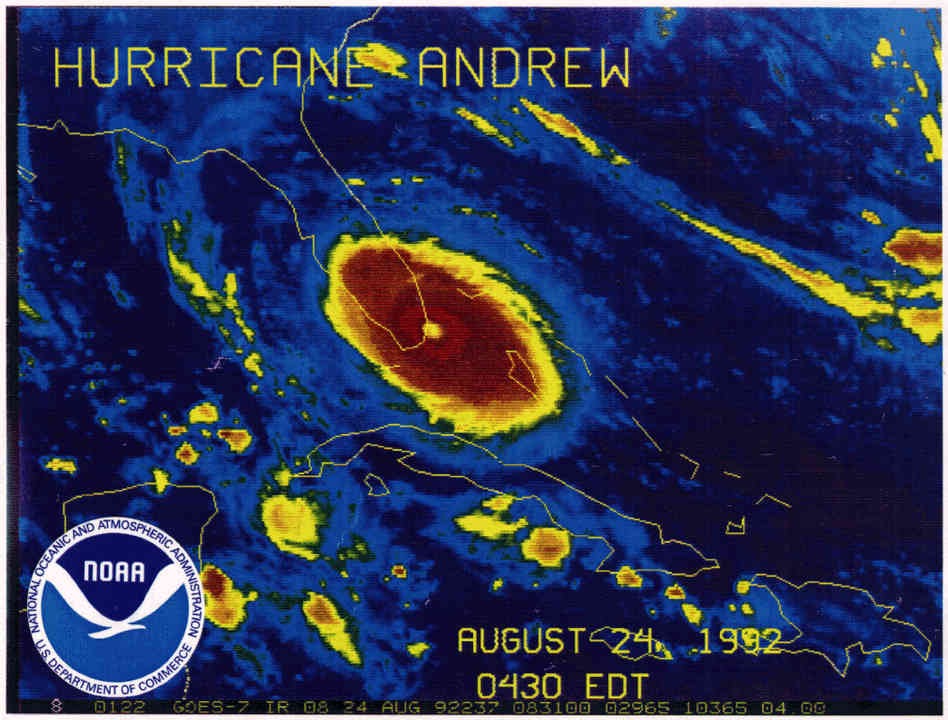
On August 24th, 1992 the catastrophic storm Hurricane Andrew struck Homestead and South Florida with winds of 150 miles an hour with gusts up to 175 miles an hour. Andrew is listed as the 4th worst hurricane to hit the United States with a damage total of more than 25-billion dollars. Nearly four dozen people were killed. In 2011 Homestead resident (and former mayor) Steve Bateman, talked with Donna Green-Townsend about living through Hurricane Andrew. At the time of the interview, Hurricane Irene was churning in the Atlantic. (from Donna’s audio archives).
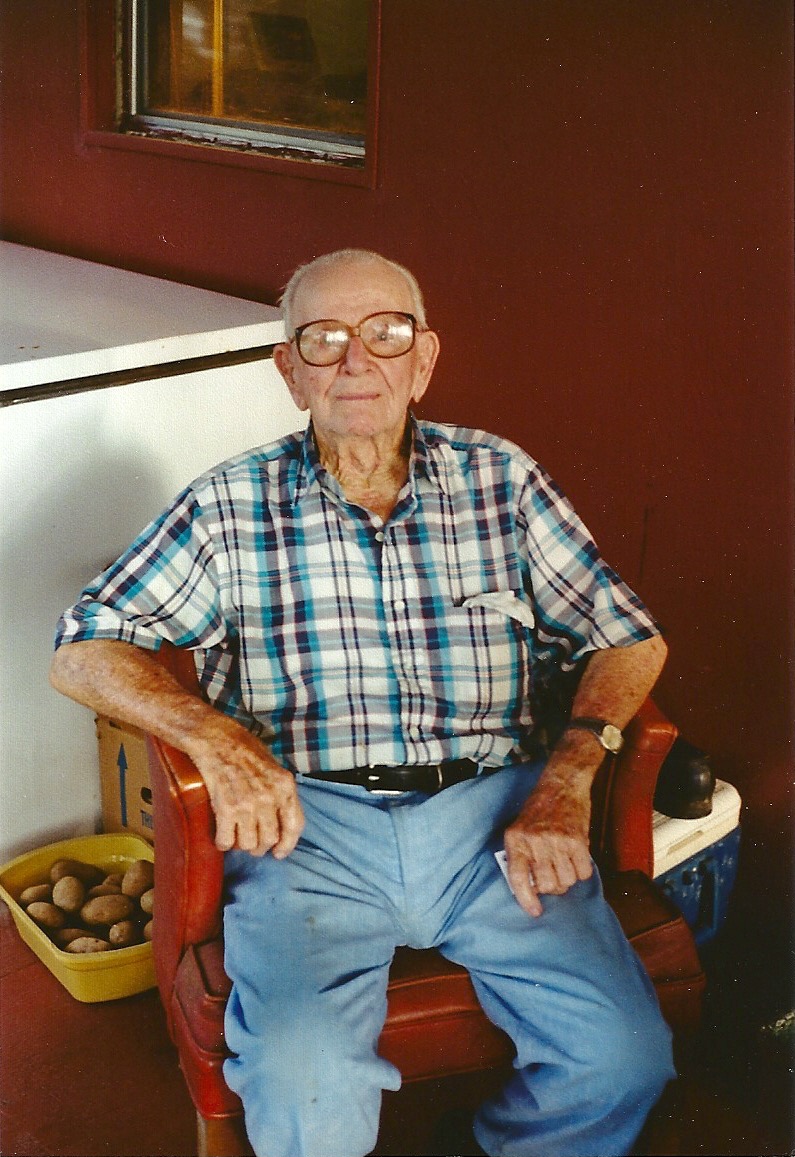
Homer Marks by his garden behind his home in Apalachicola in 2000 at the age of 97
(Homer Marks was born on August 20, 1903. He lived to be 102 and passed away on August 25th, 2005)
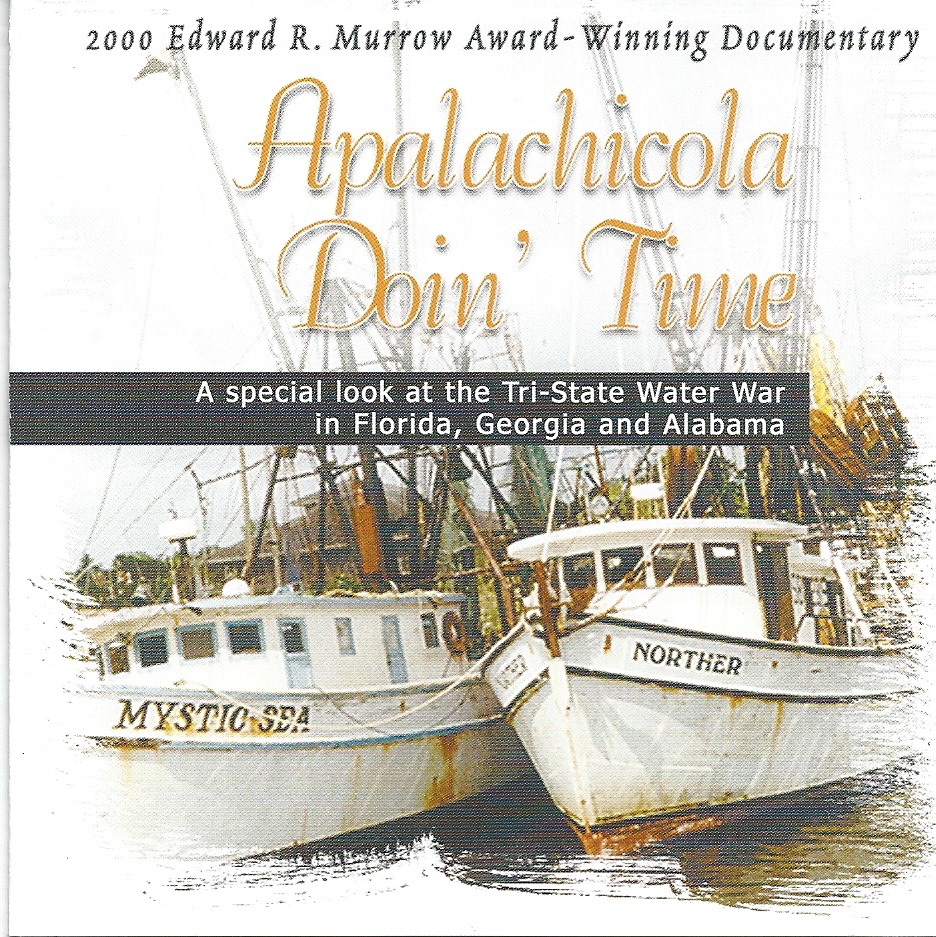
As I was conducting interviews for my documentary on the Tri-State Water War, “Apalachicola Doin’ Time” in April of 1999, I met with fishermen, politicians, seafood operators, hotel owners and other business people as well as representatives of regulatory agencies. But, the interview that left the biggest impression on me was the one with Apalachicola resident Homer Marks. Homer was 95 years old when I talked with him at his home in April of 1999. Homer was like a living history book on the area. He had memories of the early years of the seafood business in Apalachicola when he sold ice to the oystermen. He had tales of working in the Tupelo honey business moving his bee hives up and down the Apalachicola River. He knew about the early turn of the century hurricanes that took a toll on the town. He remembers where all the old cypress sawmills used to be located. He also remembers when there was no bridge that connected St. George Island to Eastpoint.
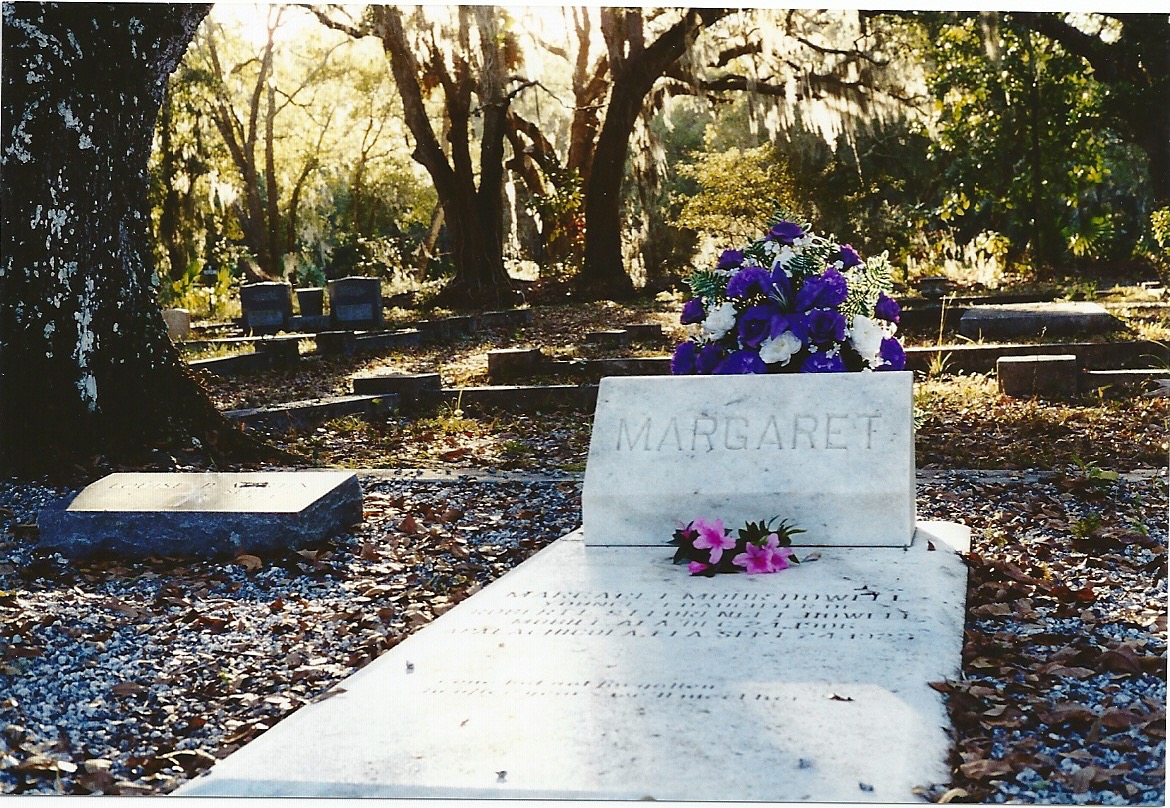
Margaret Howell’s grave in Magnolia Cemetery in Apalachicola
Homer also knew heartbreak in his life. When he was only 21 years old, his young girlfriend, 17 year old Margaret Howell, was killed on the first day of school back in 1923 in a pickup truck accident that injured three others. Homer did eventually find love again and married Agnes Segree in 1927 and had two daughters, Barbara and Louise. Those who really knew Homer shared how they often saw him head to the Magnolia Cemetery to tend to Margaret Howell’s grave and later his wife Agnes’ gravesite on the north end of 12th street and Bluff Road.
When I first showed up at Homer’s home in 1999 I had the opportunity to briefly meet his daughter Barbara and two other family members before I sat down on Homer’s porch for an interview.
Homer Marks on his porch at his home in Apalachicola in April of 1999 at the age of 95
To listen to the entire interview at one time (approx. 46 minutes) click the play button immediately below or you can listen to the interview divided up into 8 separate segments (to make it easier to listen to certain parts again if you wish. There are also more pictures of Homer Marks and the Apalachicola area below).Full length 46 minute interview:
Interview separated into 8 segments:
Part 1 In the Homer Marks Interview Pt 1 Homer reflects on some of the businesses he’s run during his 95 years in Apalachicola, everything from an ice house to a wholesale grocery business as well as an outboard marine business. He also briefly addresses the growth in the town since the construction of the two bridges in the community.
Part 2 In this segment, Homer talks about what it was like when he had 1,500 bee hives when he was in the Tupelo honey business and also the “juke joint” he operated.
Part 3 In this segment Homer shares the bittersweet story of the death of his first girlfriend, Margaret Howell who died in 1923. He shares his knowledge of some of the historic houses in Apalachicola and what kind of doctors serviced the town in the early years. You’ll hear about how he had to have his foot stitched up somewhere around 1907.
Part 4 In part 4 Homer talks briefly about his wife Agnes, his love of gardening and hunting and his memories of the construction of the bridge connecting Eastpoint to St. George Island.
Part 5 In this segment Homer shares how even at 95 he is still driving. He continues his thoughts about gardening and talks about some of his historic citrus trees and some of the devastating freezes that wiped out most of the citrus in the area.
Part 6 Homer reflects on some of the colorful history in Apalachicola, including the period when several sawmills operated there before fires burned most of them down in 1900 and 1910. He shares his views on the tri-state water war involving Florida, Georgia and Alabama and the potential effects on the seafood business there. Homer also talks about his father’s bakery business and his dad’s years in the town’s politics.
Part 7 In this segment you find out what teenagers did for fun back when Homer was young in the early 1900’s.
Part 8 And finally, in part 8 you will hear more about the story of Homer’s first girlfriend, Margaret Howell, who died in a vehicle accident in 1923 on the first day of school, an accident that left three others injured. You will also learn more about Homer’s parents and their ancestry.
Homer was born on August 20, 1903. He lived to be 102 and passed away on August 25th, 2005. He’s buried next to his wife Agnes who died on April 16, 1991.
Homer’s story was incorporated into the “History of Apalachicola” segment of my documentary, “Apalachicola Doin’ Time” that aired nationally in 1999. Here’s the link to that segment:
See the gallery below for more pictures of Homer Marks and some of the historic areas of Apalachicola he refers to in the interview:
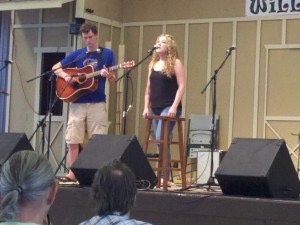
Jessie and Lee on the Azalea Stage at the Will McLean Festival
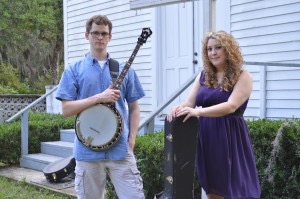
Jessie and Lee have been performing as a brother/sister musical duo for several years now singing and playing at a variety of venues including the Will McLean Music Festival, the Florida Folk Festival, the Island Grove Blueberry Festival, Dance Alive at the Phillips Center for the Performing Arts, the Thomas Center as well as a variety of special events at the Marjorie Kinnan Rawlings State Historic Site and a many church programs and private events.
Jessie (Townsend) Armstrong and Lee Townsend were joined by Andy Garfield and David McBrady at the 2018 Blueberry Festival in Island Grove, FL.
(Left to right) Jessie (Townsend) Armstrong, Lee Townsend, David McBrady and Andy Garfield
One of my favorite performances by Jessie and Lee was at the 2016 Will McLean Festival when they were asked to perform the Will McLean song, “Macclenny Farewell” on the main stage during a tribute to the Matriarch of the Will McLean Festival, Margaret Longhill.
Jessie (Townsend) Armstrong, Lee Townsend and David McBrady performing Macclenny Farewell at the Will McLean Festival’s Tribute to Margaret Longhill in 2016
Jessie and Lee’s “Tribute” CD Now Available
Jessie and Lee have recorded their first professional CD at Gatorbone Studios in Keystone Heights. Click hereto listen to song samples and to find out how to order one.
To see video highlights of Jessie and Lee’s stage performances at the 2016 Florida Folk Festival click here:
To see highlights of Jessie and Lee’s stage performances at the 2016 Will McLean Music Festivalclick here:
At the 2016 Florida Folk Festival, state Heritage Award Winner Jeanie Fitchen invited Jessie, Lee and her mom to join her on the Old Marble Stage to sing one of Jeanie’s favorite songs, “Dumbarton’s Drums.”
Music video of Jessie and Lee and the band performing Will McLean’s “Crying Bird”
Music video of Jessie and Lee and the band performing the late Jim Ballew’s song, “When I Die”
On April 26, 2015 Jessie and Lee Townsend performed “What Wondrous Love Is This” at the Homecoming Services of the New Cross Creek Baptist Church on April 26, 2015
During the Homecoming service Jessie and Lee also performed “Amazing Love”
On March 15th, 2015 Jessie performed Will McLean’s “Macclenny Farewell” during the Hour of Power on the Main Stage.
Jessie and her brother Lee Townsendalso made great harmony on the Azalea Stage at the 2015 Will McLean Festival performing Towne Van Zandt’s, “If I Needed You” with help on the bass and harmony by David McBrady.
The trio even got in some bluegrass with “Drivin’ Nails In My Coffin.”
2015 was Jessie’s second year performing at the Will McLean Festival. She made her debut here on March 8th, 2014 singing a song by the late Steve Blackwellcalled, “The Line.”
Jessie singing I Need You at the 40th dedication services at the New Cross Creek Baptist Church on August 31st, 2014
Jessie singing King of My Heart at the 40th dedication services at the New Cross Creek Baptist Church on August 31st, 2014
Jessie singing Be Thou My Vision at the Homecoming services of the Providence United Methodist Church on October 26, 2014
Donna, Jessie and Lee Townsend singing Never Grow Old at the Homecoming services for the Providence United Methodist Church in Windsor, FL on October 26, 2014
Jessie and Lee performing “Bury Me Beneath the Willow” along with Andy Garfield in November, 2014
Jessie and Lee performing “A Living Prayer” at the Homecoming Services for the Providence United Methodist Church in Windsor, FL on October 26, 2014
Jessie and Lee performing “Ten Thousand Reasons” at the New Cross Creek Baptist Church on October 14, 2012





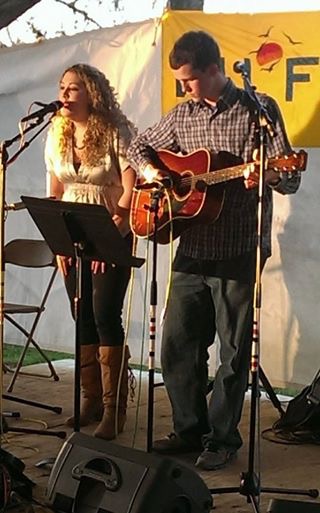
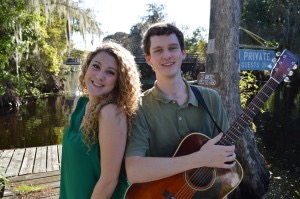 Jessie and Lee have recorded their first professional CD at Gatorbone Studios in Keystone Heights.
  To see video highlights of Jessie and Lee’s stage performances at the 2016 Florida Folk Festival
  To see highlights of Jessie and Lee’s stage performances at the 2016 Will McLean Music Festival