In November of 2003 the Consumer Product Safety Commission surprised many in consumer and environmental circles by something they didn’t do. The agency, which is usually associated with recalling unsafe products from the marketplace, decided to deny a petition to ban wood playground equipment made with chromated copper arsenate or CCA. As Donna Green-Townsend reports, the issue has some special significance to one Gainesville family
Category Archives: News
Mother’s Day Memories
Originally aired on WUFT on May 11th, 2001
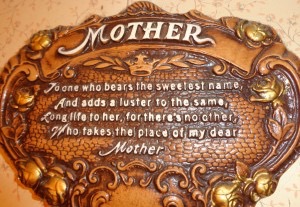 If there’s one day of the year everyone tries hard to make special, it’s Mother’s Day. Donna Green-Townsend and Alexa (Woell) Elliott talked to elementary students and their parents at P.K. Yonge Developmental Research School at the University of Florida to hear special memories about good ‘ole mom.
Uncovering Florida’s Past In The Aucilla River
Originally aired on WUFT on April 18, 2000
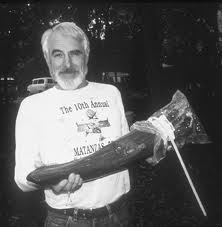
Scientists around the world are taking note of recent discoveries in a North Florida river, discoveries which could change history books. As Donna Green-Townsend reports, paleontologists and archaeologists like David Webb, with the Florida Museum of Natural History are busy analyzing and arranging exhibits from their findings in the Aucilla River in Florida’s panhandle.
Discipline in Gainesville Daycare Raises Concern (08/04/1998)
(Originally aired on WUFT on August 4, 1998)
It’s been a busy year for the Alachua County Childcare Advisory Board. At least 3 childcare centers have been in hot water in just the past few months over repeated and serious violations, including the Kids Zone, Santa Fe Community College’s Childcare Center and now Tidy Baby Infant World Childcare Center. Donna Green-Townsend reports the Tidy Baby Childcare Center has found itself in the middle of a dispute over an issue splitting parents and regulatory agencies on their views on discipline.
A few months after the first report above the Childcare Advisory Board had an emergency meeting to revoke the license of the Tidy Baby Childcare Center following the death of a child at the center after being left in one of the center’s vans.
Airboating In the Florida Everglades
Originally aired on Savvy Traveler in February, 1998
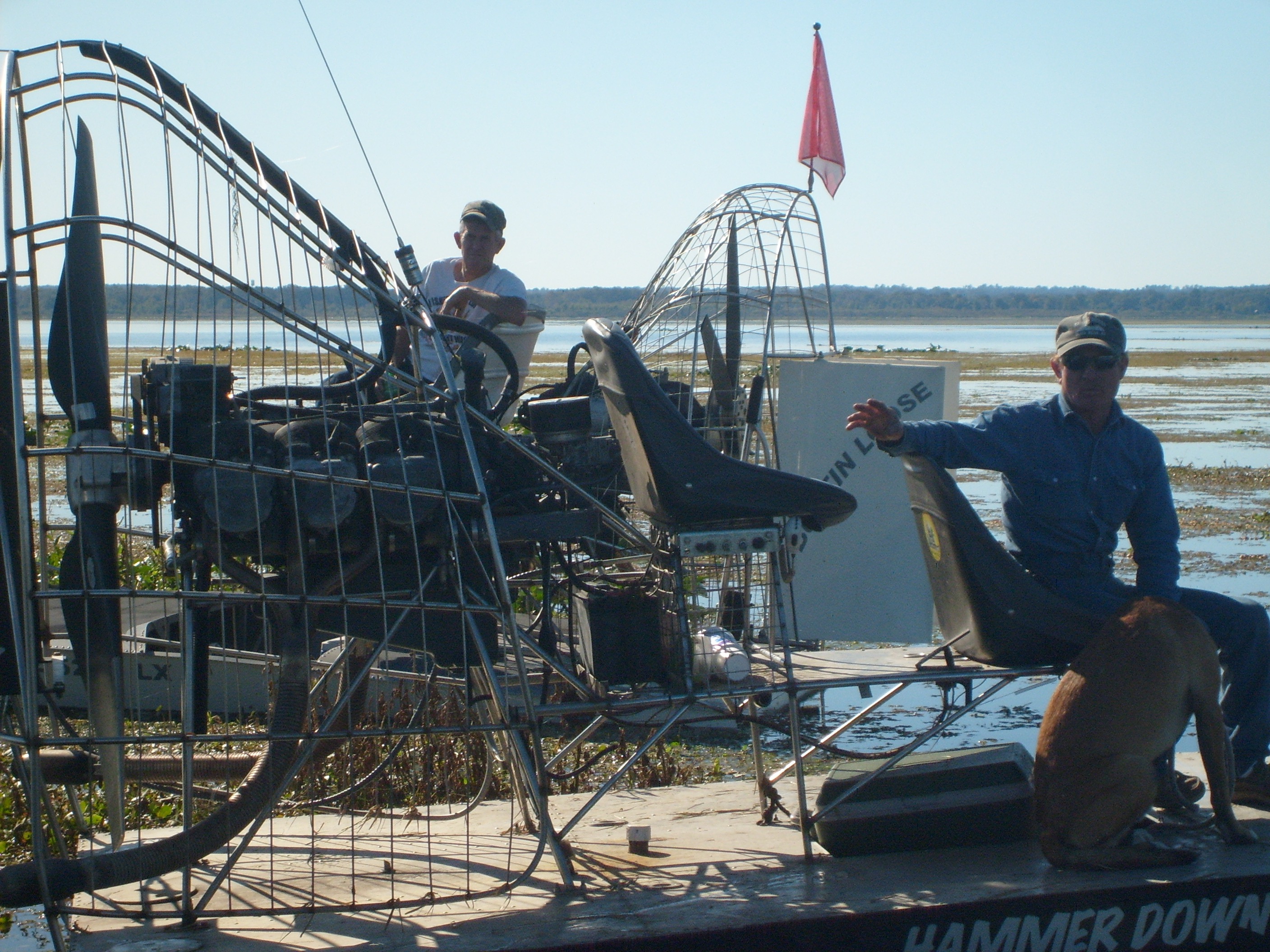 So you say you’ve been to Florida, you’ve worked on your tan. You’ve seen the mouse. What could possibly top that? snd of PA system saying: “Please make your way to the boats at this time, the boats are ready to go” As Donna Green-Townsend reports thousands get their kicks careening through Florida’s River of Grass on an airboat in the Florida Everglades.
(airboat operator) “Five people in a seat. When you’re in the boat never put your hands outside the boat. Step carefully in the boats please. Now come along with me.”
Each year nearly a million travelers are drawn to the cypress islands, sawgrass marshes, hardwood hammocks and mangrove forests of the Florida Everglades. Most want to experience this exotic wetland wilderness on an airboat…..to go where ordinary boats cannot navigate:
(snd: boats starts up and operators says: “Some of you guys have caps on and it’s going to get real windy later, you’ll need to turn ’em around or take them off and hold on to them. And don’t put any bags or any equipment on the floor because I get water on the floor folks. I have a bad habit about that.”)
Look at a map of Florida. Take your finger to the southern most tip of the state. You’ll find Homestead/Florida City located just north of the Florida Keys. There you’ll find the entrance to Everglades National Park there. Airboats are banned there, but just a few miles south of the park entrance sits “The Everglades Alligator Farm.” The attraction gives visitors up close, personal encounters with (bring in snake handling sounds of visitors) a variety of snakes (sound up full)…and three thousand Florida alligators of all sizes (baby alligator sounds)…. But the experience most come for is the breezy, open-air thrill of flying over the Everglades grassy waters in a boat propelled by a jet engine….an airboat (sound up full of airboat).
Louis Wommer’s worked as an airboat tour guide at the Everglades Alligator Farm in Dade County for 15 years.
(sound of airboat operator Wommer) “…you know alligators can jump half their body length so let’s don’t entice them. That’s why they put my seat up here. It takes quite a while to learn to drive these boats…(boat starts up)“
Wommer says he loves his job and meeting people from around the world.
(Wommer) Just making some casual notes this summer I had people from 38 countries on my boat just this summer.
(Vox pop of visitors) “I’m Aerie and this is my wife Betty Groves from Hampshire in South England……it’s something we’ve always wanted to do.”
(Betty) “and we’ve read up on it in National Geographic which we take at home and uh we love it. We love this sort of country.
“We came down here mainly to do some bird photography.”
“The alligators were a lot closer and larger than I expected (laugh).”
“Oh, because I think it’s famous, everywhere around the world it’s typical of Florida and my friend and me wanted to discover that. It’s a big change with Miami.”
(Wommer on boat talking) “Now I have a number of herons that hang around the boat or follow the boat. They don’t eat what I carry in the little bag, but the fish do. It brings fish to the boat and sometimes they’ll come out and spear fish right next to the boat. Two more softshell turtles here on the left side….(fades down under)
There are plenty of chances for snapshots for your vacation photo album as the airboat glides through water trails amidst the tall sawgrass stirring up egrets, herons and anhingas.
Unfortunately not all the tourists see what they expected:
(woman from France) You like what you see? “a little bit disappointed. Why because in fact in was my own fault I supposed there was more birds and things like that. In fact not many birds.”
In fact, since the 1930s more than 93% of the wading birds have disappeared from the Florida Everglades. Environmentalists blame the problem on loss of habitat because of the drainage of the wetlands for urban growth in South Florida. Many also say agricultural pollution has added to the severe decline. And what about the impact of noise on the birds? Airboat tour guide Wommer:
(Wommer bite) “That’s the question I get almost daily, ‘don’t these airboats scare the wildlife away?’ Well we’ve been running the airboats for 20 years in the same spot. There wouldn’t be anything here and I have a higher concentration in this four square mile that I run than in most four square mile areas of the national park, so I think you have to look at the results.”
Winter time is best in South Florida. The air is balmy just the way you want it to be on a sub-tropical, Florida vacation. Summers bring more humid, sticky temperatures, and of course the warm climate is compounded in the summer by mosquitos, another good reason to go airboating in Florida. It’s hard to get bit when you’re practically flying over the water.
(cut to airboat operator Wommer talking to passengers) “Hang on to your hats and anything else that’s loose. If something blows out of the boat we won’t be able to stop for it.” (motor guns and starts to go fast)
On an airboat in the Everglades, I’m Donna Green-Townsend for Savvy Traveler.
Remembering Marjorie Carr
Originally aired on WUFT on October 17, 1997
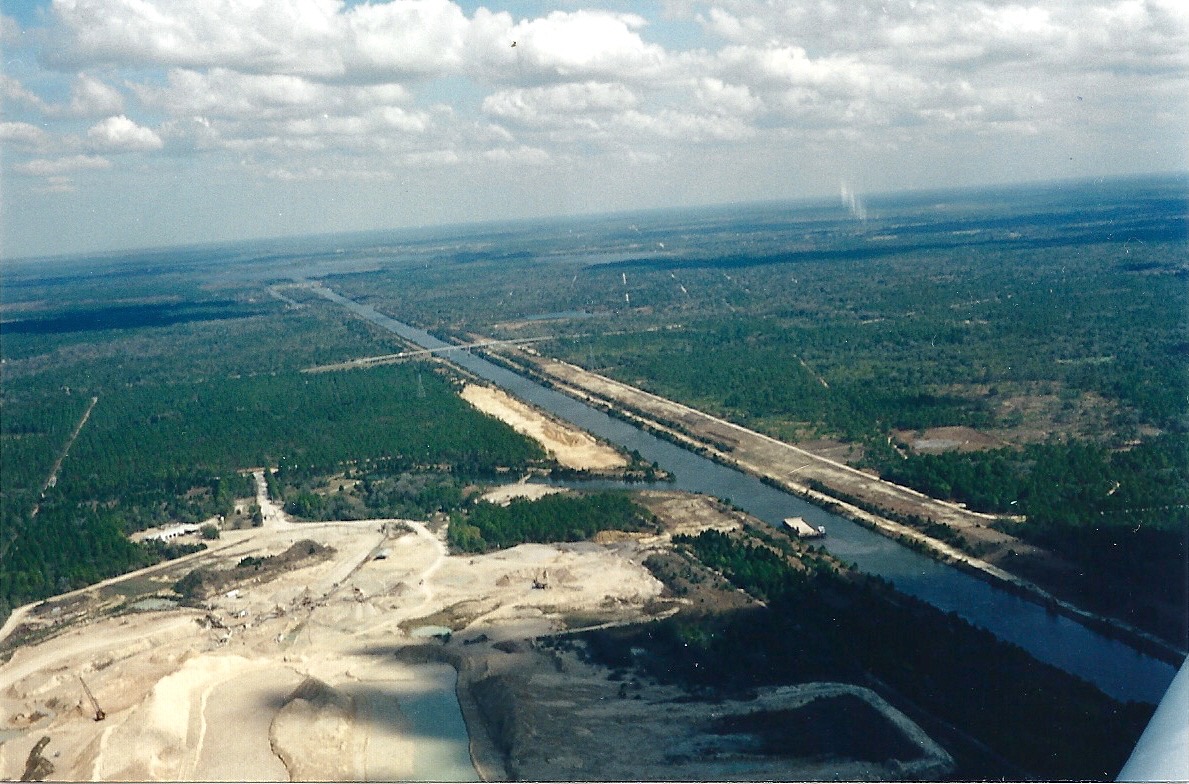
(original script) Funeral services were held on Thursday for environmentalist Marjorie Carr. Carr died October 10th at the age of 82 after a long battle with emphysema. Carr is the Gainesville conservationist who initiated a successful campaign in the 1960s to kill the Cross Florida Barge Canal. She was laid to rest on Thursday in Evergreen Cemetery in Gainesville next to her husband Archie Carr, the renowned sea turtle researcher who died in 1987. Family members planned the service around the theme she most embraced- natural Florida. She was buried in a natural wood casket and her service included readings from the boo of Genesis about the wonders of Eden and the prayer of St. Francis of Assisi, who, like Marjorie Carr, loved nature. But it was the bumper sticker placed in the back window of the hearse at the church which best characterized how Marjorie Carr spent her last years. It read, “Free The Ocklawaha River.” Most of the friends who attended the service vowed to continue her fight. Donna Green-Townsend reports.
Cross Creek Summer
(originally aired on WUFT-FM in August of 1997)
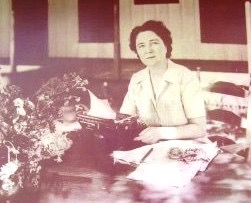 (original intro) The first weekend in August of 1997 kicked off the first annual Cross Creek Summer, Arts and Culture in Marjorie Kinnan Rawlings’ Florida. Organizers hoped the week-long event would introduce people to the Florida Rawlings loved and attract those ecotourists looking for the real Florida. Donna Green-Townsend prepared this report.
Cedar Key Fishermen Turn to Clam Farming After Net Ban
(Originally aired in the summer of 1997)
(Photos courtesy of Brittany Thompson)
Nearly two years have passed since a long-time industry came to a screeching halt in Florida. A controversial net ban, passed by an overwhelming majority of Florida voters, has ended a way of life for thousands of commercial fishermen in the state. Many coastal communities continue to struggle today because their economies depended solely on the fishing industry. But in the sleepy, gulf coast community of Cedar Key, a new industry is emerging. In this story aired on Florida Public Radio, Donna Green-Townsend reports how former mullet fishermen, oystermen and crabbers have turned to aquaculture to turn things around.
Net Ban Part 1
Net Ban Part 2
Jet At High Springs Middle School Sparks Debate
Originally broadcast on WUFT on December 10, 1996
When students at High Springs Middle School attended dedication ceremonies for their newly designed technology lab in November of 1995, no one would have imagined the spotlight this small Florida community would still be under even now, a year later. Donna Green-Townsend reports the controversy continues over the donation o a war jet now used as a symbol for the school.
Miccosukee Photographer, Phyllis Sheffield
Originally aired in December of 1996 on WUFT, FPR and the program 51%
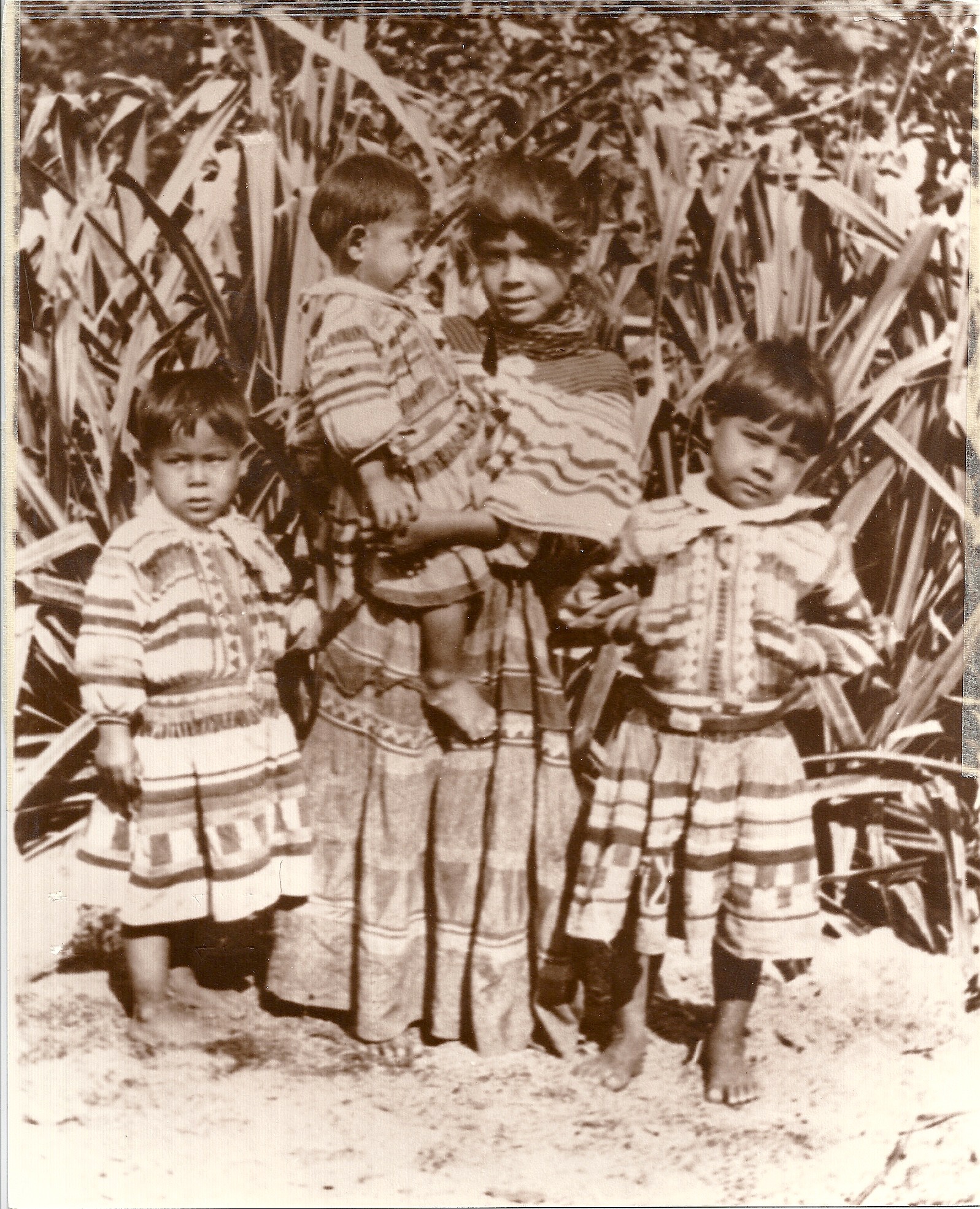
At a time when there’s been so much focus on cleaning up the Florida Everglades it’s hard to think back to the period before dikes and drainage canals affected the flow of water from Lake Okeechobee through Florida’s River of Grass. Picture the 1930s, the decade when the Great Depression had its grip on most of the nation. Donna Green-Townsend reports, the 30s was also when two adventurous young women in South Florida captured forever on film, pictures of a unique culture about to disappear from Florida’s landscape.
Full Script:
Sixty years ago when Phyllis Sheffield ventured by boat with her aunt into the Florida Everglades to photograph Miccosukee Indians, little did she know she was capturing Florida history. In the 1930s, Phyllis Sheffield was just a teenager learning the ropes of photography from her mother’s sister, Florence Stiles Randall, who owned a small studio in Coconut Grove, when a young Miccosukee woman walked into the studio to sell mulberries she carried in her homemade palmetto basket. Phyllis and her aunt Flossie bought some berries and ended up photographing the young Miccosukee woman. That studio photo session led to a series of boat trips into the Everglades Phyllis says she’ll never forget.
(sound of her pouring over negatives or prints)
Pouring over negatives and rare prints from her 60 year old collection at her present home in Palatka, Phyllis, now 79 is still thrilled about her role in capturing the early Miccosukees on an old 5 by 7 box camera:
Phyllis Sheffield, “It was very exciting and we got to really like the people and we knew that they hadn’t been recorded and I think in the back of our minds we knew that it was history we were recording but we didn’t realize we were some of the few people who were doing it.”
Phyllis says she always considered herself adventurous. After all her parents “paved the way” for her back in 1914. That’s when they sold their North Dakota Farm and took a two year trek down the Missouri and Mississippi Rivers to begin a new life in Southern Florida:
Phyllis Sheffield, “They ran what was called a sea bottom boat that was the first boat in Florida to show the bottom of the coral reefs, but he always had a boat too, after the sea bottom sank. That’s another story. It sank with 200 people aboard, but anyway when he stopped that he started running a banana boat into the Bahamas so I think he was adventuresome, very. And I think some people were just born with those kinds of genes.”
No wonder it didn’t seem unusual to Phyllis Sheffield to be a woman engineering a boat into the wild Florida Everglades in the 1930s to photograph the Miccosukees:
Phyllis Sheffield, “We knew we were on an adventure but we had no fear of these Seminoles because the Miccosukee, because the ones who came in the studio were so nice and gentle so I don’t remember being frightened and we were so welcomed. But I know it was an adventure.”
Phyllis and her aunt often took along gifts for their photo subjects, everything from candy and picture books to combs and even a sewing machine. The gifts made getting smiles on camera a little easier. The challenge was toting the old camera gear to their swampy photo shoots:
Phyllis Sheffield, “It was heavy equipment, we had a great big old wooden tripod and always carried a reflector in case we wanted the light reflected some other place than it was….I never weighed it but it was a 5 by 7, a pretty big camera and it came out on a track that must have been a foot or more that you had to pull it out on, a metal track and it was a big wooden and old shiny one. It was a matter of pulling the camera out on the track and you couldn’t see on the upside down ground glass and you had to be able to see to focus it so you’d put a black cloth over your head. You must have seen the pictures of people doing that. Well that’s the way we took these photographs.”
Phyllis recalls how word spread through the tribe about the photos…and how on subsequent trips many of the Miccosukees seemed to encourage the two women to take their pictures….sometimes even striking a pose before asked:
Phyllis Sheffield, “We were coming up snapper creek and saw this girl bathing her baby on the beach on the edge of the shore and I said, oh auntie there’s a Madonna. I always ran the boat because Auntie was always timid about anything electrical or anything mechanical. So we pulled in the edge and got out of the boat and while we took the camera out and kept talking to her and she was ignoring us but we could tell she was posing bathing her baby and she kept bathing the arm and the hand and we set the camera up and kept talking to her and she kept ignoring us and it took us a good 15 or 20 minutes even gave me time to put the halo behind her head with the reflector. And as soon as we took the photograph she got up and left. I think she was just timid really, but that was the cleanest baby in the Everglades, I can tell you that.” Did you give a copy of the picture to her? “Yes and we got a big smile then.”
Phyllis titled that photograph “Madonna.” There’re photos she’s named “Friends” of two young Miccosukee girls…all smiles, and there’s “Brave Hunter” named for the young man posing with his parent’s slingshot. But some of the pictures are tough for her to talk about, even today 60 years later:
Phyllis Sheffield, “Like I say, it’s a very sad photo for me, this is practically the only one I’ve printed from it because the little baby over the man’s shoulder died shortly after that and from I think it was just measles because he had spots on him at the time…but they wanted their picture made at the time and I think one reason was because this baby was in it. It’s one of the few pictures we have of men and you can see how sober they all are so I think they knew the baby was dying.” What would you call this picture? “I haven’t given it a name because it’s sad to me.”
For nearly 60 years the historical Miccosukee photos stayed in storage in her Aunt Flossie’s home. Not until Flossie died in 1987 at the age of 96 did Phyllis remember them.
(sound of her van door and talking about the photos in the van)
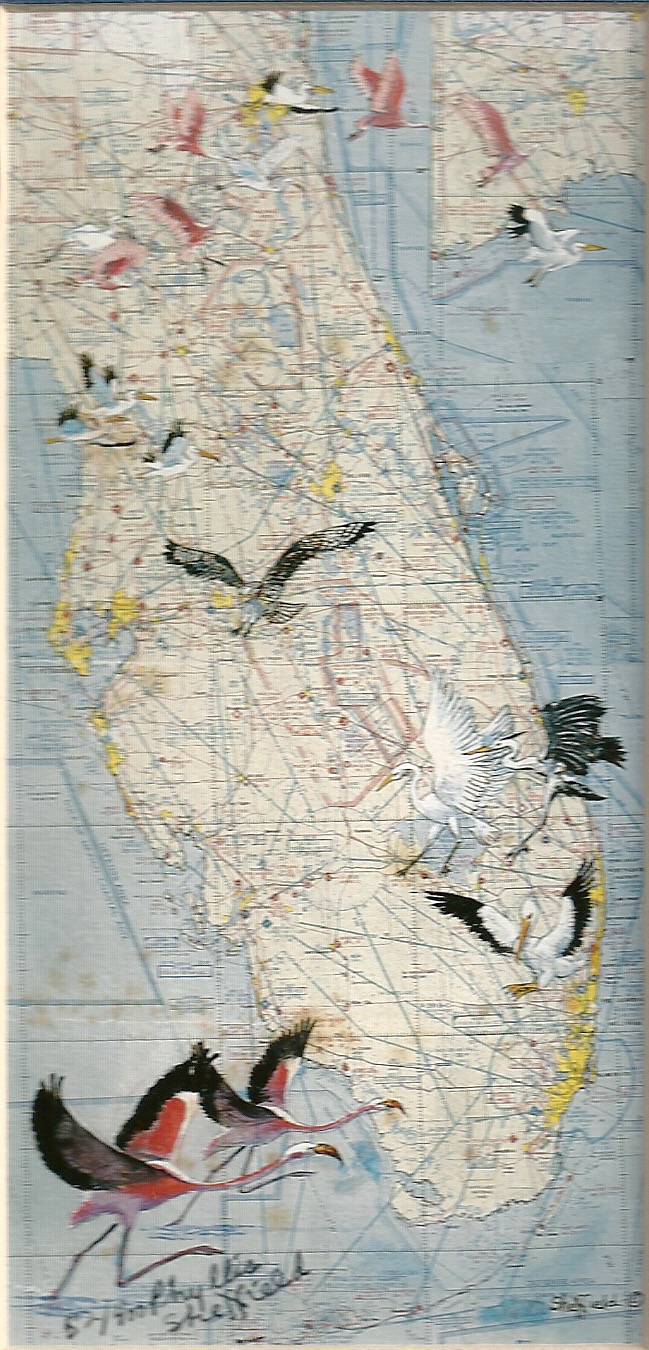
Phyllis has travelled to art shows across Florida for years displaying and selling watercolor drawings on old maps and nautical charts, her bread and butter she says. She only added the Miccosukee photos to her shows in recent years. Unfortunately, because she didn’t realize the historical significance of the negatives sooner, many were lost:
Phyllis Sheffield, “And when I finally took out the negatives I’d lost about 50 with mildew and things. I didn’t have the sense to take care of them. See nobody said Phyllis you and auntie Flossie are shooting history. For heaven’s sake take care of those negatives.”
When Phyllis decided to do something about preserving the negatives, she made an offer to the Smithsonian:
Phyllis Sheffield, “I took my pictures to them a couple of years ago and they were excited about them. I took them to the Indian Museum in New York, the head of the photography department there. She submitted them to the council of the museum, the people who decide what they’re going to show and when, but I told them if I was going to give them my 5 by 7 negatives that before I was gone I wanted to see a show and wanted them to hang a show and they read in the letter that they will hang a show within two years. I said heck, I’m pushing 80 awful hard. I expect to live to be 105 but heck who knows so and they said they would if I’d give them my negatives.”
Phyllis says she hopes to see a Smithsonian show with her Miccosukee photos within the next year. There’s even been some talk from various parties about doing a book or even a calendar with the old photos.
As she nears her 80th birthday she plans to slow down on the art show circuit, but won’t sit still. A trip to Mexico is next on her agenda. She’s already travelled to China and Russia. And oh, there’s a trip planned for next summer. What else more appropriate for the adventurous Phyllis Sheffield but a trip down the Nile River. For 51% I’m, Donna Green-Townsend.