Rogers is known for his Travis-style guitar fingerpicking along with his storytelling which brings a mythical Florida county called Oklawaha into the national spotlight.
On October 10, 1991 Rogers lost his life while trying to save a drowning tourist off Flager Beach.
Sec. of State Sandra Mortham presenting Gamble’s wife Nancy with the Artists Hall of Fame Award
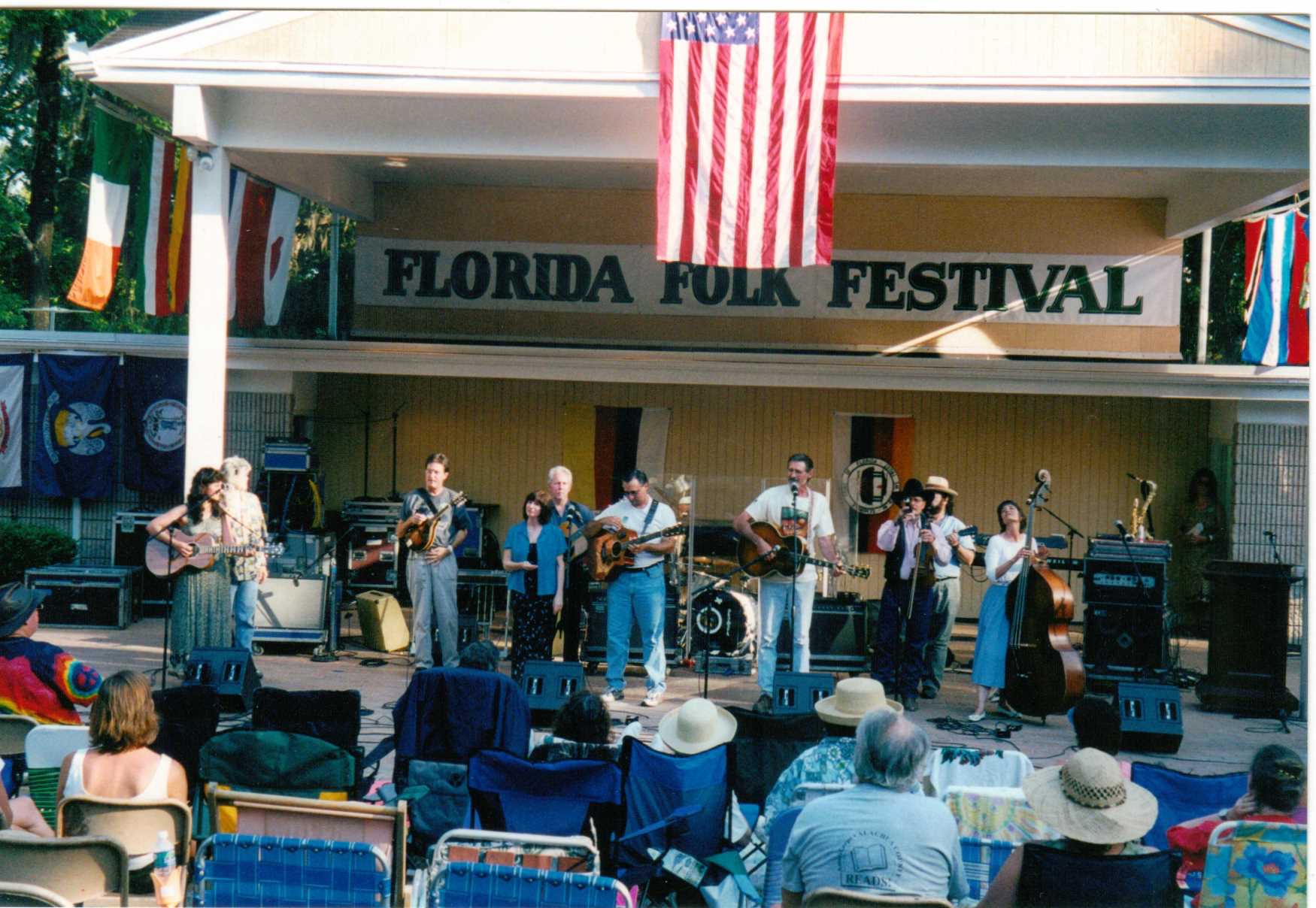
On Memorial Weekend 1998, during the Florida Folk Festival, the then Florida Secretary of State, Sandra Mortham, publicly inducted the late Gamble Rogers into the Florida Artists Hall of Fame.
Rogers has joined the likes of Marjorie Kinnan Rawlings, Will Mclean and Ray Charles in the Florida Artists Hall of Fame. He already has a middle school, state recreation area and a folk festival named in his honor.
Donna Green-Townsend reports on the successful musical career leading up to the induction.
1998 Hall of Fame Induction Ceremony
During the induction ceremony at the Florida Folk Festival in White Springs Dale Crider performed, “Song for Gamble,” written by Steve Gillette and Cindy Mangsen. Crider was accompanied by Elisabeth Williamson on guitar and vocals and Barbara Johnson on bass.
Here’s audio of the trio practicing the song earlier that afternoon in the campground before the evening ceremony:
In this rare footage, taken by an amateur photographer at the 50th anniversary of “The Yearling” at the Marjorie Kinnan Rawlings State Historic Site in Cross Creek in 1988, Rogers joined his folk colleagues, the late Cousin Thelma Boltin and the late Father of Florida Folk Will McLean, to share stories and songs. The short video opens with McLean singing his beloved, “Florida Sand” followed by McLean introducing his friend Gamble.
Here’s a video of Gamble performing Black Label Blues:
In the following interview Gamble’s friends Steve Gillette, Cindy Mangsen and Dale Crider reflect on their long time relationship with the nationally acclaimed guitar player.
Gamble Rogers
Gamble Rogers
Gamble with Red Henry and Dale Crider at Florida Folk Festival in the mid 70s
Gamble with Red Henry, Dale Crider and others at FFF mid 70s
Early photo of Dale Crider and Gamble Rogers sharing a stage
(left to right) Paul Champion, Gamble Rogers and Will McLean
Gamble Rogers
Cover of Gamble’s album Oklawaha County Laissez-Faire
Cousin Thelma Boltin, Gamble and Will McLean at Yearling Festival 1988
Yearling Festival 1988
Gamble playing at Yearling Festival 1988
Yearling Festival in Cross Creek, FL 1988
Dale Crider, Lis Williamson and Barbara Johnson performing at the Hall of Fame induction ceremony in 1998
Jesse Winchester performing at the Butterfly Festival in Gainesville in 2007
Editor’s note: It’s been just a little more than a year since the Memphis-bred songwriter Jesse Winchester died from cancer. Since that time a variety of artists have released a tribute album to the beloved songwriter called “Quiet About It: Tribute to Jesse Winchester.” The album includes such artists as Jimmy Buffett, James Taylor, Vince Gill, Elvis Costello, Roseanne Cash, Lyle Lovett and Lucinda Williams to name a few.
I personally fell in love with Jesse’s music long before I ever had the opportunity to interview him just before the 2007 Butterfly Festival in Gainesville. It was such a memorable interview for me as Jesse truly opened up about growing up in Mississippi and his early musical influences in Memphis. Below you can listen to the one-hour radio special that was a result of that interview, including many of his most popular songs. The program re-aired in 2009 just before the Gamble Rogers Festival in St. Augustine where Jesse also performed.
In 2009, Jesse Winchester experienced a career renaissance. He gave several concerts and released the crtically acclaimed album, “Love Filling Station.” He also was a guest on the Elvis Costello television show, “Spectacle.” Elvis Costello remembers how the audience and the other performers on the program were moved to tears by Jesse’s performance.
Just at the height of his comeback Jesse was diagnosed with esophageal cancer in 2011. It was during his recovery from the first diagnosis of cancer that his fellow friends and artists decided to record the tribute album to show their love and support. He eventually received a clean bill of health and went back to performing and finished a new album called, “A Reasonable Amount of Trouble.” Sadly, in February of 2014, he was diagnosed with inoperable bladder cancer and he spent his final days at home under hospice care. Below is a live performance of Jesse singing one of the more poignant songs from that album, “Just So Much The Lord Can Do,” at the Bow Valley Music Club in Calgary, AB on March 23rd, 2013
Original Story posted April 11, 2014
Singer/songwriter jesse Winchester died Friday morning at his Charlottesville, Va., home. Winchester had been suffering from cancer. He was 69.
Winchester’s music blended folk, country and blues. Some of his best known songs included Say What, The Brand New Tennessee Waltz, Yankee Lady, Gentleman of Leisure, Just Like New, That’s What Makes You Strong, My Songbird, Just ‘Cause I’m In Love With You, You Remember Me, Defying Gravity, Little Glass of Wine and Mississippi You’re on My Mind, among many others.
Many of his songs were covered by such popular artists as Wynonna Judd, Bonnie Raitt, Reba McEntire, Emmylou Harris, the Everly Brothers, Joan Baez, Jimmy Buffett, Claire Lynch, Patti Page, Ralph Stanley and the Clinch Mountain Boys, Nicolette Larson and others.
Winchester was born in Louisiana but grew up on farms in Mississippi and also lived in Memphis. When he received his draft notice in 1967 he fled to Canada to avoid being sent to fight in Vietnam. In Montreal he met Robbie Robertson of The Band, who produced his first album, Jesse Winchester in 1970. He received amnesty along with other draft evaders from President Jimmy Carter in 1976. Winchester did not return to live in the U.S., however, until 2002 after he had married his second wife.
Last fall, artists including James Taylor, Buffett, Elvis Costello, Lyle Lovett, Rosanne Cash, Lucinda Williams and Vince Gill recorded his songs for a tribute album called Quiet About It. Before his death, he had completed a new album, A Reasonable Amount of Trouble, with producer Mac McAnally. That album is expected to be released later this year.
In October of 2007 Jesse Winchester performed at the Butterfly Festival in Gainesville. In advance of the concert he talked with Donna Green-Townsend and was featured in an hour long special. In the interview he talks about his early years in Missisippi and Memphis, the inspiration for many of his songs and his thoughts about the music industry today. The special was rebroadcast on WUFT prior to Winchester’s performance at the 2009 Gamble Rogers Festival in St. Augustine. You can hear that special below:
(editor’s personal note: As a young reporter in Kansas I conducted interviews with all of the musicians, songwriters and top contestants at the Walnut Valley Festival for a 26-part national music series of programs in both 1981 and again in 1982. It was during one of those years that I first became acquainted with Jesse Winchester when I heard another singer, Cathy Barton, sing one of his songs, “Mississippi You’re On My Mind.” Jesse Winchester wasn’t there, but I fell in love with the song. I’ve been singing it for more than 25 years. That’s how many years it took to finally meet the man who wrote the song when he performed at the 2007 Butterfly Festival in Gainesville (see picture below). As you can see from my smile, it was indeed a highlight for me. He had the most gentle spirit. I remember watching him perform that day with just his guitar and looking around seeing tears running down the faces of grown men in the audience during his song, “Little Glass of Wine.” He had that kind of power. RIP Jesse.)
Jesse Winchester with Donna Green-Townsend in 2007
Jesse Winchester performing at the Butterfly Festival in Gainesville in 2007
The first place award for the Will McLean Best New Florida Song Contest goes to poet Hank Mattson from Lake Placid, FL and musician Dana Robinson from Cabot, VT for the song, “When This Old Hat Was New.” Mattson says the poem depicts the dogged determination of Jacob Summerlin, a famous Florida Cracker of the 1800’s, to preserve a culture that for over 400 years has been raising cattle.
Mattson is a working cowboy and poet specializing in Florida’s Cracker Cow Hunter History. He has performed at poetry gatherings and pioneer events across the state and beyond. In 2011 he won the Laura Rider Award for excellence in folk poetry. Mattson is a member of the Florida Cattleman’s Association, the Pro-Rodeo Hall Of Fame Society and the Friends Of Florida Folk and says it’s his mission to chronicle and preserve the life and times of the myriad of Florida Folks who for more than 400 years have been “working’ cattle.”
The two musicians who perform on “When This Old Hat Was New,” Dana and Susan Robinson, describe themselves as “two guitar-playing, banjo-frailing, fiddle-sawing, and harmony-singing interpreters of the American experience.” They perform a unique blend of contemporary songwriting and traditional Appalachian music. A few months ago poet Mattson met the Robinson couple at the Highlands Hammock State Park in Sebring, FL. The result was magical. Within a month Dana and Sue created a melody for Mattson’s poem.
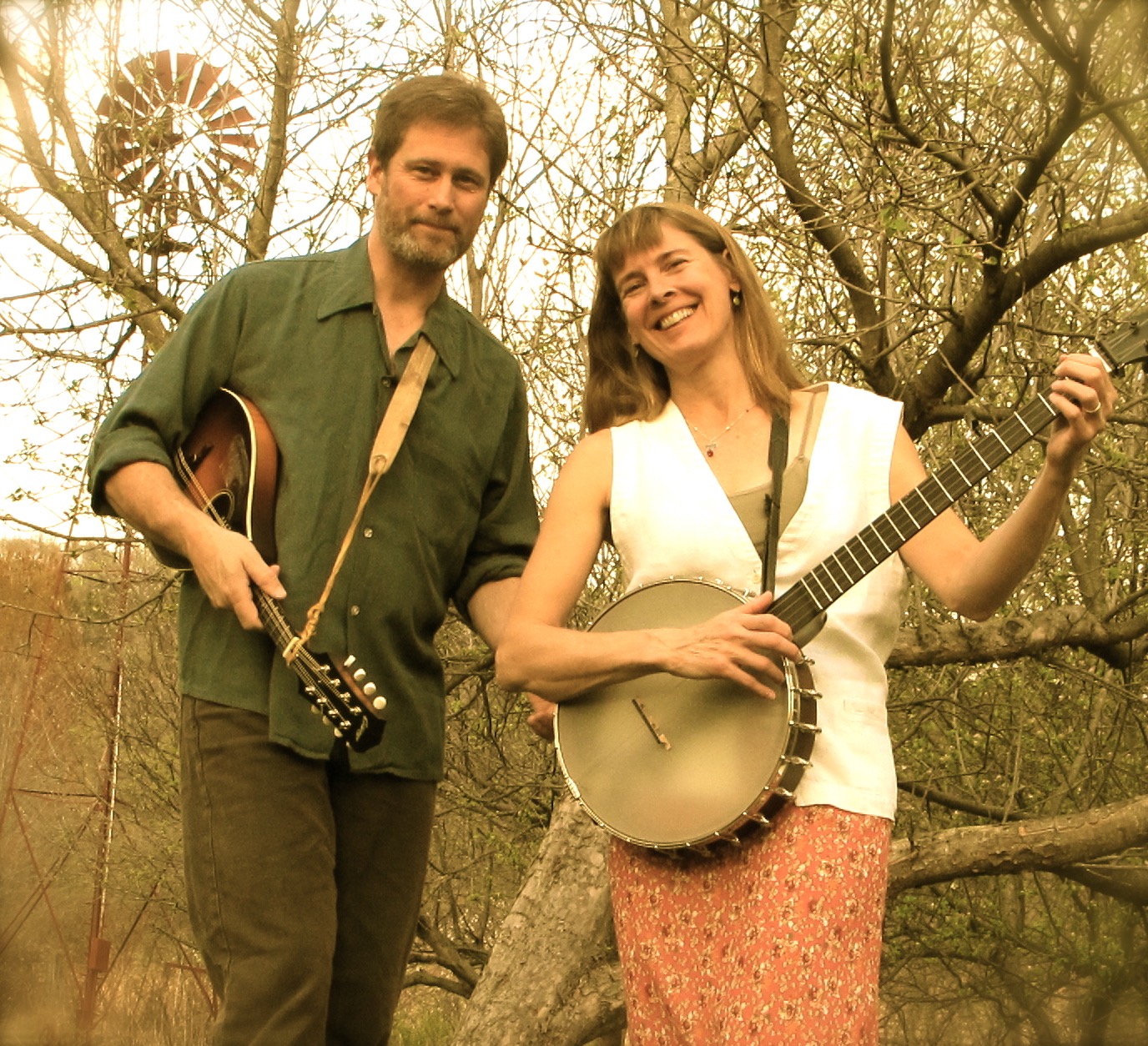
Here’s Hank Mattson saying a few words at the Will McLean Festival on March 14th, 2015 about winning the contest.
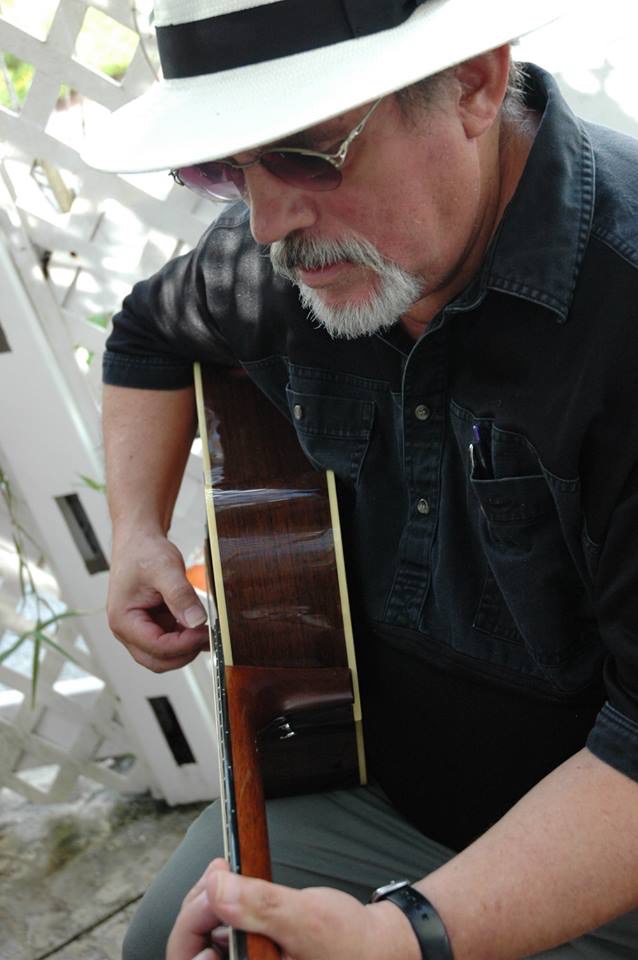
2nd place John R. Butler
The second place finisher of the 2015 Will McLean Best New Florida Song Contest is John R. Butler from Estero, FL with his song, “O Miami.” Butler describes his song as “a musical series of snapshots of the great city, taken through the decades.”
Here’s John Butler and his band performing his song on March 14th, 2015 at the Will McLean Festival
Butler has played in a number of bands and as a solo performer throughout high school, college and beyond. His songwriting achievements include a first place finish in the 2011 North Florida Folk Festival Americana songwriting contest, a first place award in the 2014 “Hope by Song” songwriting competition in southwest Florida, and a win (as one of three co-equal winners) in the 2015 South Florida Folk Festival. One of Butler’s songs was included in the soundtrack of the 2013 feature film, “Texas Chainsaw Massacre 3-D.” Butler says these days he spends most of his performing time as a member of The Honey Creepers, a southwest-Florida based trio.
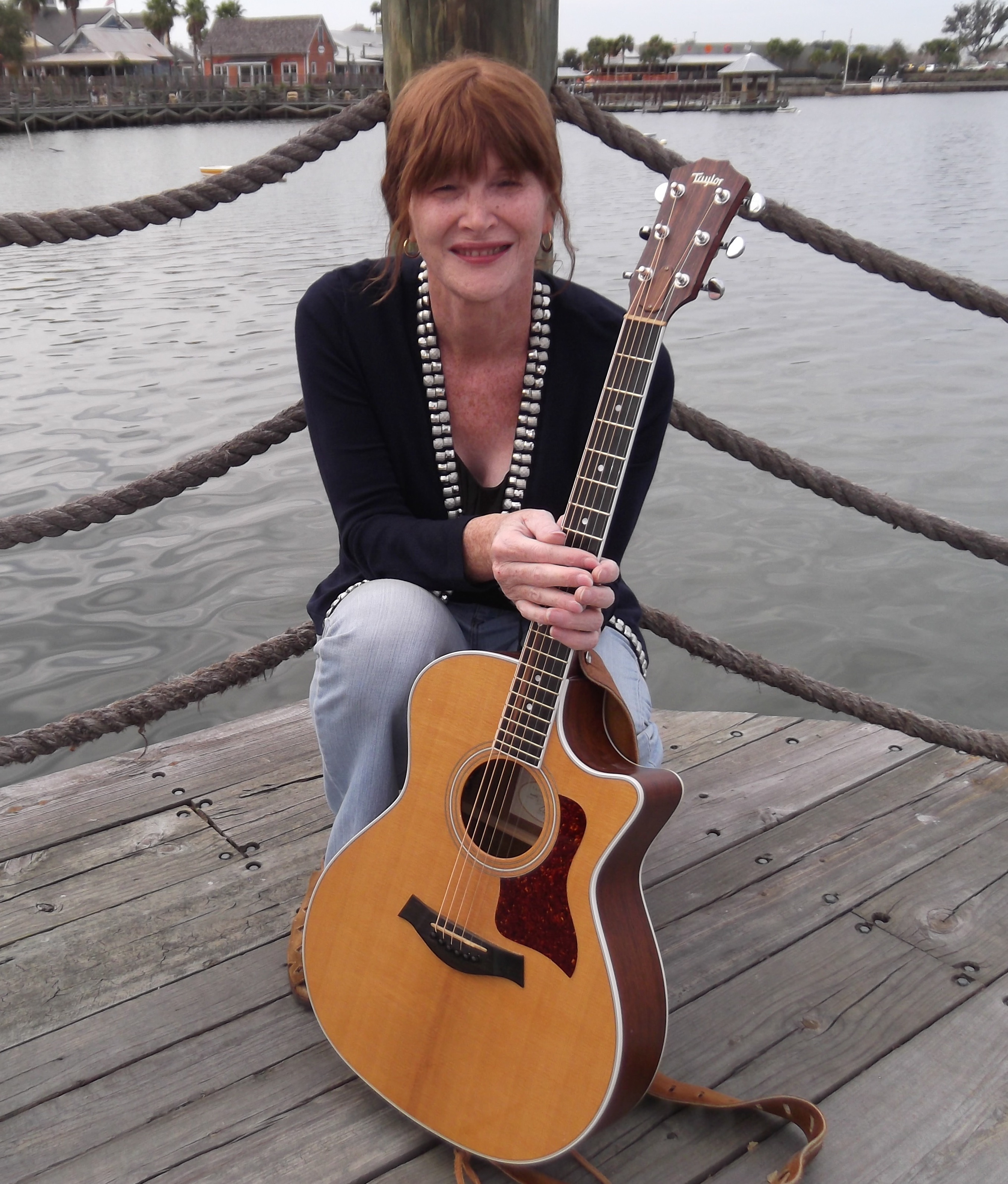
3rd place Lauren Heintz
The third place finisher of the song contest is Lauren Heintz from Winter Park, FL. Heintz describes her song, “Bluer Skies,” as “a lifelong search for a home, and the exultation that results when it is discovered Florida is that place.”
On Saturday, March 14th, 2015, Lauren performed her song on the Magnolia Stage at the 2015 Will McLean Festival
Lauren is the recipient of many songwriting awards including the 2014 South Florida Folk Festival Singer/Songwriter (live) competition and recipient of the Vic Heyman songwriting award, the 2013 Walnut Valley Festival Song Contest, and has won fourth place in the 2013 and 2014 Will McLean Song Contest. She also received honorable mention in the 2014 Woody Guthrie Song Contest.
Lauren’s original music has been compared to Gordan Lightfoot, Jim Croce and John Denver. In 2012 she released the album, “Feels Like A Miracle” and has another project in the works with Gatorbone Studios.
There were 42 entries in the competition for 2015. The winning songs from the top three contestants were all featured at the 2015 Will McLean Folk Festival the weekend of March 13th-15th at the Sertoma Youth Ranch, 7 miles West of Dade City. Will McLean is considered to be the Father of Florida Folk. McLean who wanted to save Florida through music was the first folk artist inducted into Florida’s Artists Hall of Fame.
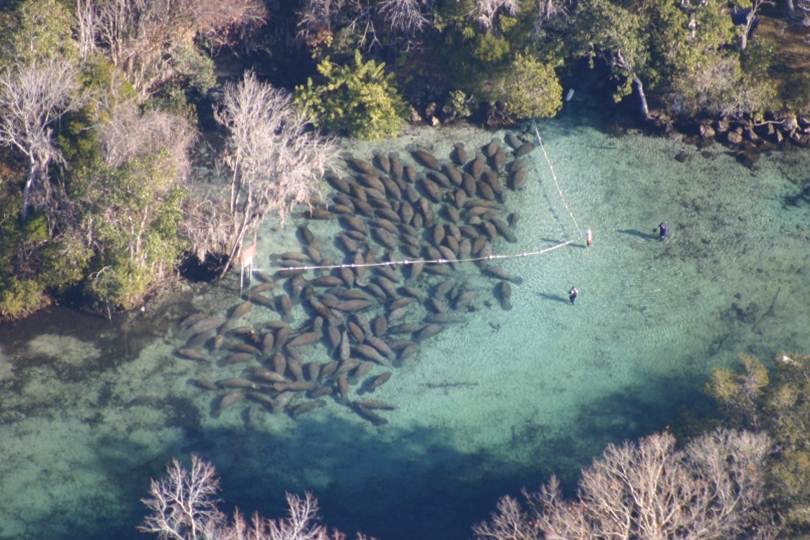
Manatees in Three Sisters Springs Sanctuary (photo courtesy of USFWS
Temperatures in Florida’s Panhandle and North Central Florida reached into the lower 30s on several days during the past few weeks. During these cold snaps hundreds of manatees head to the warm spring waters of the state. It’s not unusual to see more than 300 manatees in Kings Bay in Crystal River, Florida. In recent years the United States Fish and Wildlife Service has added new sanctuaries and reduced speed zones around the state, particularly around the Chassahowitzka National Wildlife Refuge, to provide protection for the endangered sea cow. But swimming with manatees has become a big business in Florida. As Donna Green-Townsend reports, ecotourism continues to force environmental planners on Florida’s Nature Coast to perform a precarious balancing act. (From my audio archives: produced for the national show “Marketplace” in 1997. See the full script under the followup video story below)
This slideshow requires JavaScript.
In 2010 WUFT reporter Trent Kelly and videographer Donna Green-Townsend followed up the original report above to see what progress was being made to protect Florida’s endangered sea cow.
(Full script of the 1997 “Marketplace” radio feature above)
(Snd of airplane gearing up) Viewing Citrus County from the air makes it easy to see why business people are smiling. On the coldest days this past winter in Florida spotters for the United States Fish and Wildlife Service counted more than 300 manatees in the waterways North of Tampa on Florida’s west coast. And manatees mean big bucks to Citrus County. Manatee watchers spend about 20-million a year at hotels, restaurants and dive shops.
“We’re the original Florida,” says County Environmental Planner Gary Maidhof. “The Walt Disneys and Sea Worlds and Bush Gardens are important for tourism and beaches are important tourism, but people are looking for alternatives and what they want to see is the old time Florida.”
(Nat sound under of boating activity with snorkelers/divers)
In the absence of a major theme park, Citrus County’s banking on manatee watching. But last year a record number of the huge gray, air-breathing mammals died. Manatees, which often weigh in over 3,000 pounds, frequently collide with boats while surfacing for air. Fish and Wildlife experts estimate only about 2,600 are left in Florida, so these docile creatures receive protection under the Endangered Species Act. In 1994 the Citrus County Commission appointed an ecotourism committee to promote manatee watching on the county’s 7 rivers.
(Nat sound of boat activity with snorkelers/divers)
The group’s done well, so well tourists may be loving the manatee to death. It’s against the law to kill, capture or pursue endangered species. But it’s hard to draw the line
Montage of Tourists: “You can’t really describe it, it’s just wonderful. You pet them and they roll over and they’ll even follow you around. They’re very sweet.”
“oh, I’ll never forget it. I’ve been lookin’ forward to it for years.”
“You dream about places like this at night.”
“I mean I dove last year with sharks and it’s not the same. You can get right up close to these and look them right in the face and they’re so gentle.”
Citrus County Ecotourism member James Blount, “We’ve been in business over three years. We haven’t done much protecting and enhancing, mostly advertising.”
Blount says while the group’s done a good job of promoting the “manatee experience” now they need to protect their natural resource. “If you destroy something and particularly if it’s an endangered species, once it’s gone, it’s gone forever and we have a responsibility as well,” he says.
Blount points to a recent national scuba diving magazine featuring a cover with divers swimming after and petting manatees which he says breaks a federal law.
“We have typically manatees will be outnumbered 20 to 1 by divers and snorkelers in the water.”
To try and reduce the number of manatee deaths and harassment cases, the Fish and Wildlife Service produced a short educational video outlining the does and don’ts for people sharing waterways with manatees.
(sound from video)
Port Paradise Dive Shop Manager Tanna Edge says, “They are required to see a nine minute video before they a boat out and we give them maps and rules and regulations and tell them what they can and cannot do.”
But talk to the out of state snorkelers renting boats from Edge, and it’s hard to find one who’s seen the required video:
“No, they didn’t offer a video.”
“No I haven’t”
“No I wasn’t aware they had that, I read the pamphlets on them but I didn’t know they had a video out.”
Refuge Manager Cameron Shaw says, “I was a little surprised that none of the divers that we talked to that came out of commercial dive shops have seen the video.”
It’s Shaw’s job to protect the Endangered Species like manatees. Violations can result in fines of up to 20-thousand dollars and/or up to one year in prison
“If we went by the letter of the law we’d be writing thousands of tickets out here,” Shaw says.
Shaw plans to push the dive shops to do a better job of educating their customers. If they don’t fish and wildlife officials have the authority to revoke the dive shops special use permits to use the main spring. There’s some talk officials may restrict the number of divers and snorkelers in the waterways . Already the number of sanctuaries has increased to give manatees a chance to get away from humans. Ecotourism committee member Blount supports such actions to protect not only the manatee but the manatee industry.
“Because the people rent hotels, they eat in restaurants, they rent cars, they shop.”
Officials here know they’re facing Florida’s classic dilemma. The tourists that are Citrus County’s bread and butter also have the potential to wipe-out the very attraction they came for. From Citrus County I’m Donna Green-Townsend for Marketplace.
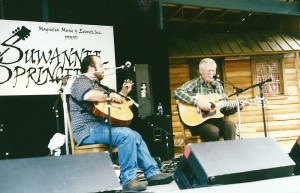
Doc Watson & grandson performing at the Suwannee Springfest in Florida (photo by Donna Green-Townsend)
Doc Watson, the Grammy award-winning guitarist who has influenced and been revered by virtually every great bluegrass flatpicker in the country died on May 29, 2012. The 89-year-old musician, who was blind from age 1, had undergone abdominal surgery at a hospital in Winston Salem, N.C., but died a few days later. Donna Green-Townsend had the opportunity to interview Watson on a couple of occasions at various festivals across the country and prepared this feature.
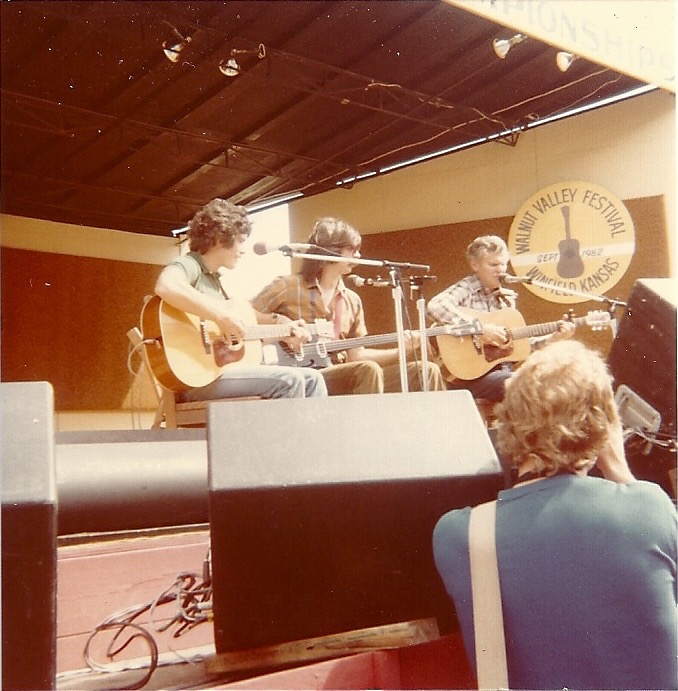
(from left to right) David Sylvester, T. Michael Coleman and Doc Watson at the 1982 Walnut Valley Festival in Winfield, KS (photo by Donna Green-Townsend)
The interview segments in the feature above came from Donna Green-Townsend’s first meeting with Doc Watson in September, 1982 at the Walnut Valley Festival in Winfield, KS. The station she was working for at the time, KHCC-FM at Hutchinson Community College in Kansas, was in its second year of recording the stages and performers at the festival. The material eventually became, “The Walnut Valley Festival Series,” broadcast on public radio stations all across the country. There were 26 one-hour programs in all. Below is the 35:50 segment that included the set performed by Doc Watson, T. Michael Coleman and David Sylvester and the full interviews from that series. (Merle Watson had taken a few days off from touring).
Production assistance on the above recording in 1982 was provided by Dan Skinner and Steve Brown of KHCC-FM and KANZ-FM.
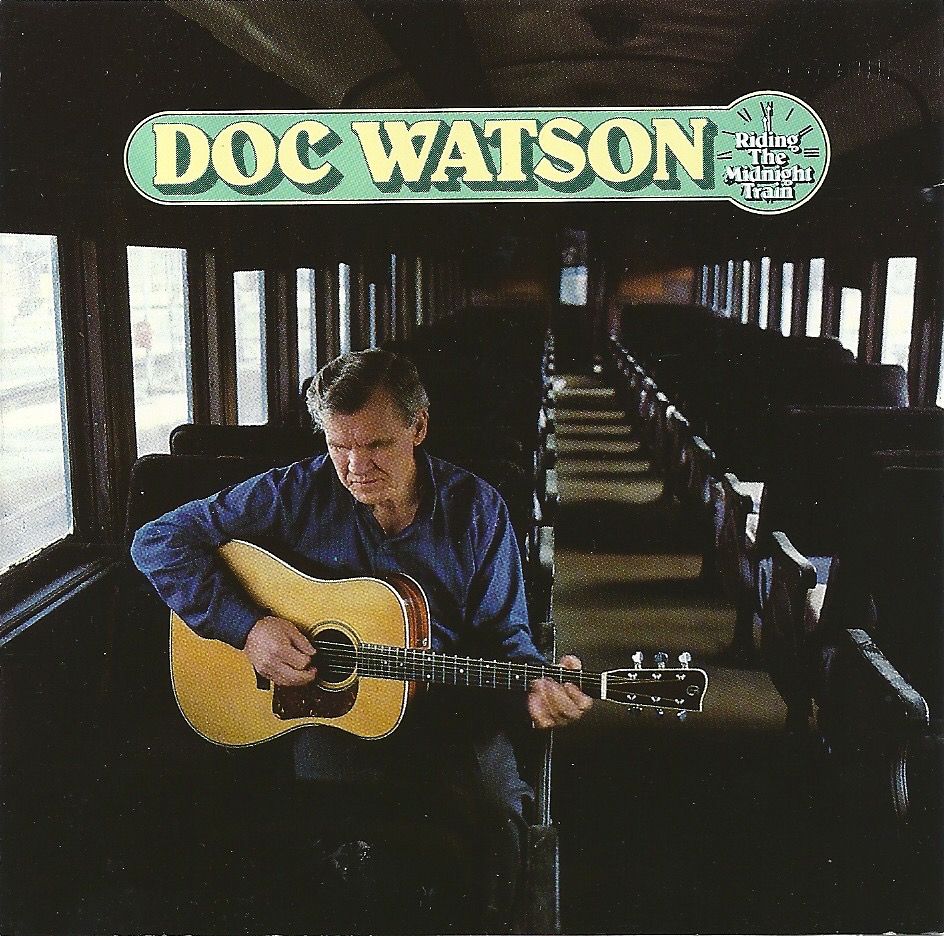
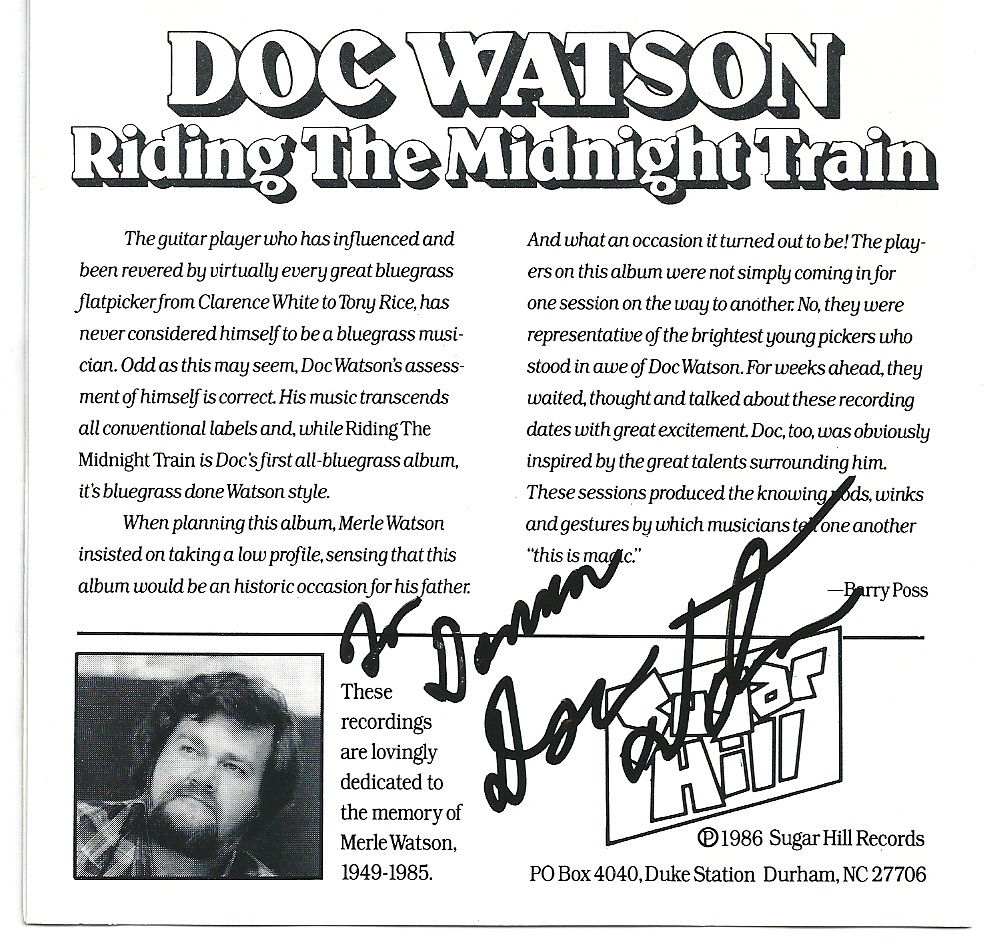
CD cover of Riding The Midnight TrainDoc Watson’s autograph on the CD he dedicated to his son, the late Merle Watson
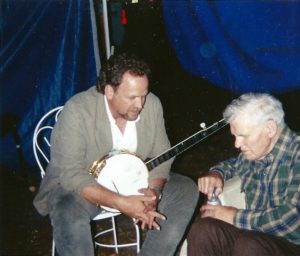
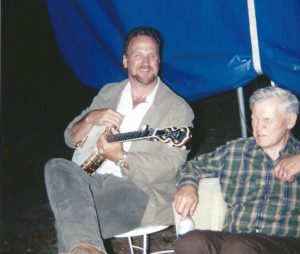
On March 25th of 2008, Clawgrass banjo player Mark Johnson and Donna Green-Townsend had the opportunity to sit backstage with Doc Watson and folk icon Norman Blake at the Suwannee Springfest near Live Oak. It was one of those rare opportunities to swap stories and share some tunes. When the special hour began you can hear Peter Rowan and company in the distance performing on the main stage. Meanwhile backstage Green-Townsend began chatting withJohnson as he played Ashokan Farewell and demonstrated his style of picking called clawgrass, a combination of bluegrass and clawhammer styles. (Editor’s note: In 2012 Johnson was named the recipient of the third annual Steve Martin Prize for Excellence in Banjo and Bluegrass.)
Ashokan Farewell was used throughout the popular PBS Series, “The Civil War.” Before long folk icon Norman Blake jumped into the Civil War discussion and shared an acapella version of an old song, “Faded Coat of Blue.” When Doc Watson heard Johnson’s banjo, he asked if he could play it. In the three recorded segments below you’ll hear the spontaneous conversation and music from that afternoon that can only be described as “magical.”
Mark Johnson talking “banjos” with the legendary Doc Watson backstage at the Suwannee Springfest
In Part 1(running time 4:35) Green-Townsend talks backstage with Clawgrass player Mark Johnson:
Clawgrass Banjo player Mark Johnson and Doc Watson
In Part 2(running time 5:16) Green-Townsend and Johnson begin an interesting music dialogue with folk icon Norman Blake and share an acapella version of “Faded Coat of Blue.”
Mark Johnson sharing some banjo tunes with Doc Watson backstage at the Suwannee Springfest
In Part 3(running time 32:24) Doc Watson hears Mark Johnson’s banjo and asks if he could hold it and then begins sharing his inside knowledge of some of his favorite banjo tunes, banjo styles and personal stories):
(Gallery Photos are used with permission from T. Michael Coleman)
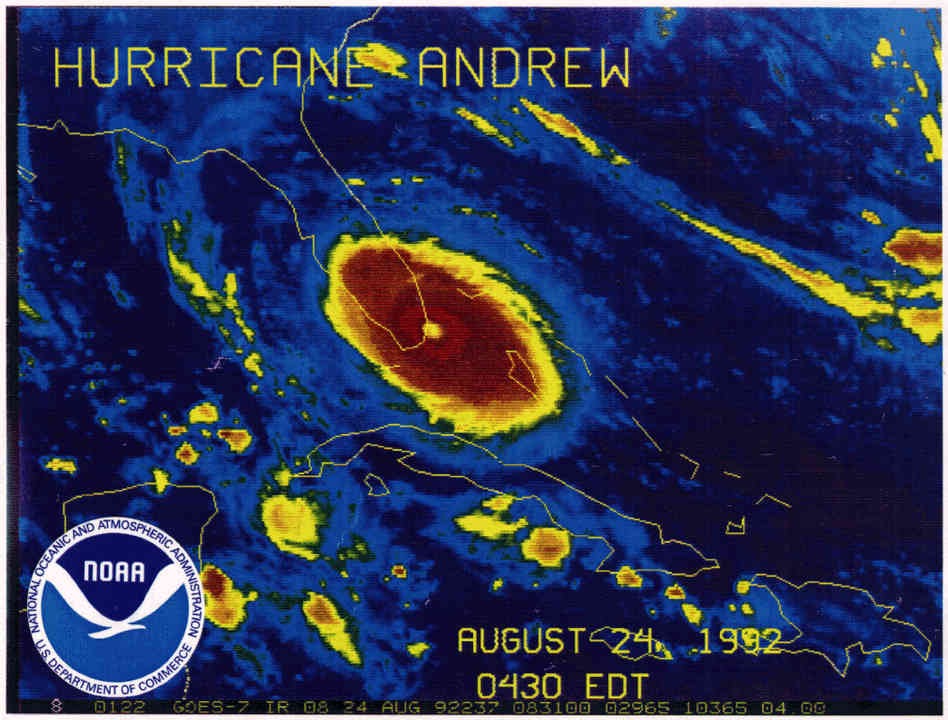
On August 24th, 1992 the catastrophic storm Hurricane Andrew struck Homestead and South Florida with winds of 150 miles an hour with gusts up to 175 miles an hour. Andrew is listed as the 4th worst hurricane to hit the United States with a damage total of more than 25-billion dollars. Nearly four dozen people were killed. In 2011 Homestead resident (and former mayor) Steve Bateman, talked with Donna Green-Townsend about living through Hurricane Andrew. At the time of the interview, Hurricane Irene was churning in the Atlantic. (from Donna’s audio archives).
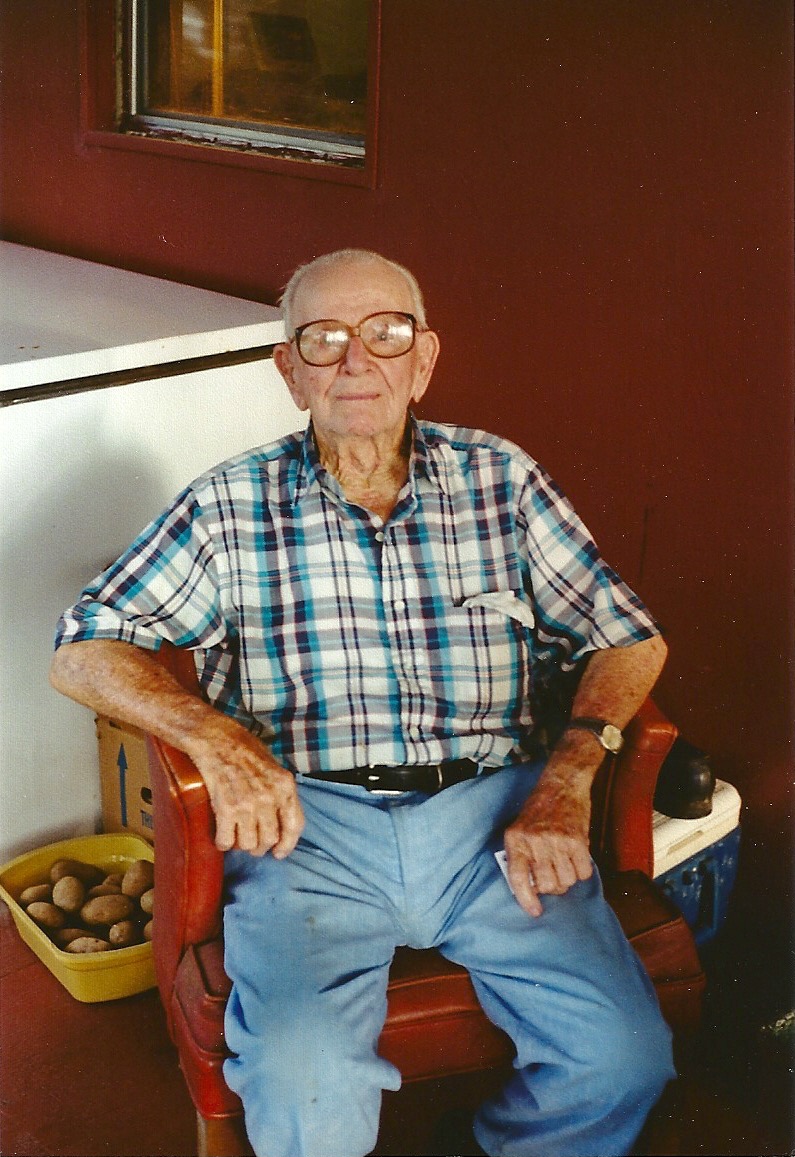
Homer Marks by his garden behind his home in Apalachicola in 2000 at the age of 97
(Homer Marks was born on August 20, 1903. He lived to be 102 and passed away on August 25th, 2005)
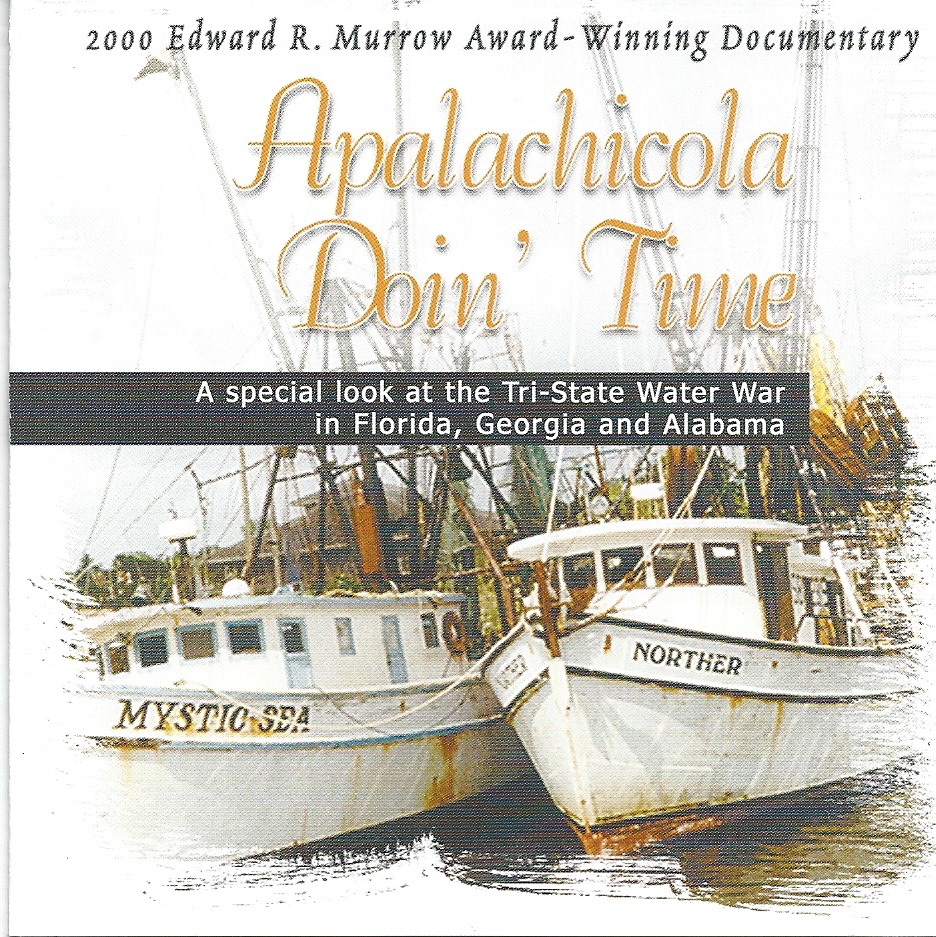
As I was conducting interviews for my documentary on the Tri-State Water War, “Apalachicola Doin’ Time” in April of 1999, I met with fishermen, politicians, seafood operators, hotel owners and other business people as well as representatives of regulatory agencies. But, the interview that left the biggest impression on me was the one with Apalachicola resident Homer Marks. Homer was 95 years old when I talked with him at his home in April of 1999. Homer was like a living history book on the area. He had memories of the early years of the seafood business in Apalachicola when he sold ice to the oystermen. He had tales of working in the Tupelo honey business moving his bee hives up and down the Apalachicola River. He knew about the early turn of the century hurricanes that took a toll on the town. He remembers where all the old cypress sawmills used to be located. He also remembers when there was no bridge that connected St. George Island to Eastpoint.
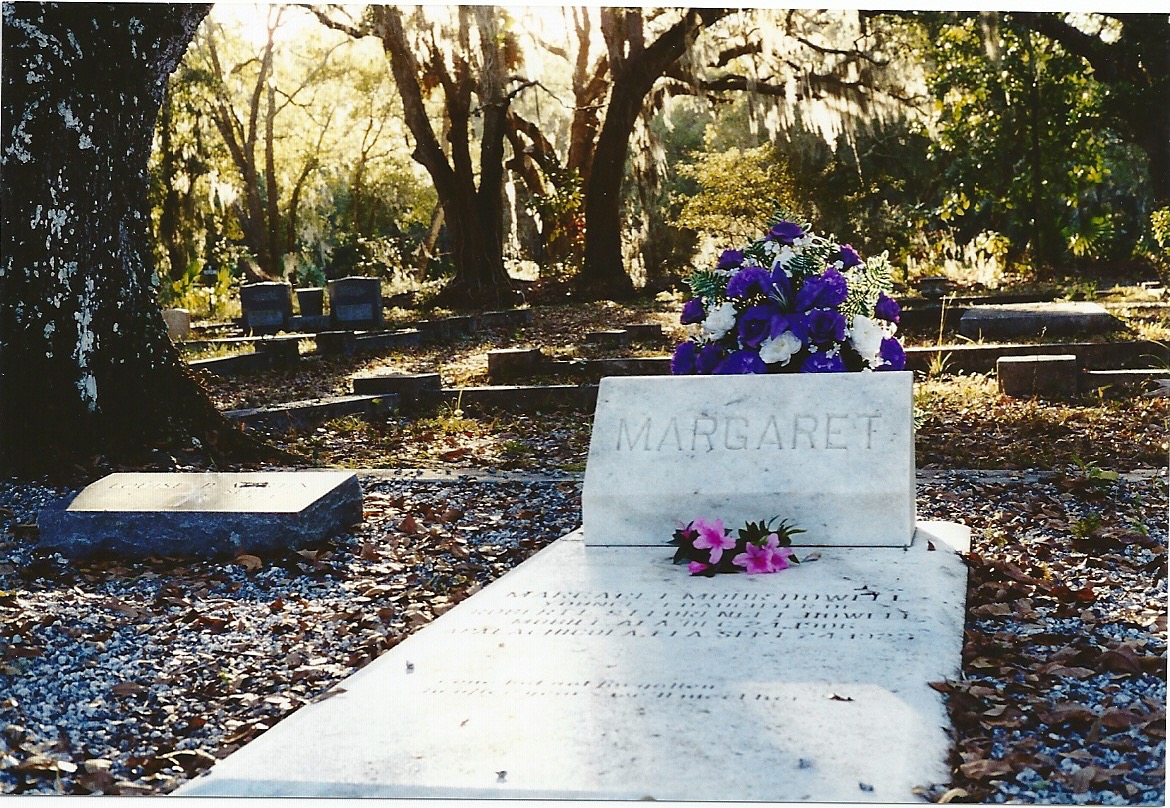
Margaret Howell’s grave in Magnolia Cemetery in Apalachicola
Homer also knew heartbreak in his life. When he was only 21 years old, his young girlfriend, 17 year old Margaret Howell, was killed on the first day of school back in 1923 in a pickup truck accident that injured three others. Homer did eventually find love again and married Agnes Segree in 1927 and had two daughters, Barbara and Louise. Those who really knew Homer shared how they often saw him head to the Magnolia Cemetery to tend to Margaret Howell’s grave and later his wife Agnes’ gravesite on the north end of 12th street and Bluff Road.
When I first showed up at Homer’s home in 1999 I had the opportunity to briefly meet his daughter Barbara and two other family members before I sat down on Homer’s porch for an interview.
Homer Marks on his porch at his home in Apalachicola in April of 1999 at the age of 95
To listen to the entire interview at one time (approx. 46 minutes) click the play button immediately below or you can listen to the interview divided up into 8 separate segments (to make it easier to listen to certain parts again if you wish. There are also more pictures of Homer Marks and the Apalachicola area below).Full length 46 minute interview:
Interview separated into 8 segments:
Part 1 In the Homer Marks Interview Pt 1 Homer reflects on some of the businesses he’s run during his 95 years in Apalachicola, everything from an ice house to a wholesale grocery business as well as an outboard marine business. He also briefly addresses the growth in the town since the construction of the two bridges in the community.
Part 2 In this segment, Homer talks about what it was like when he had 1,500 bee hives when he was in the Tupelo honey business and also the “juke joint” he operated.
Part 3 In this segment Homer shares the bittersweet story of the death of his first girlfriend, Margaret Howell who died in 1923. He shares his knowledge of some of the historic houses in Apalachicola and what kind of doctors serviced the town in the early years. You’ll hear about how he had to have his foot stitched up somewhere around 1907.
Part 4 In part 4 Homer talks briefly about his wife Agnes, his love of gardening and hunting and his memories of the construction of the bridge connecting Eastpoint to St. George Island.
Part 5 In this segment Homer shares how even at 95 he is still driving. He continues his thoughts about gardening and talks about some of his historic citrus trees and some of the devastating freezes that wiped out most of the citrus in the area.
Part 6 Homer reflects on some of the colorful history in Apalachicola, including the period when several sawmills operated there before fires burned most of them down in 1900 and 1910. He shares his views on the tri-state water war involving Florida, Georgia and Alabama and the potential effects on the seafood business there. Homer also talks about his father’s bakery business and his dad’s years in the town’s politics.
Part 7 In this segment you find out what teenagers did for fun back when Homer was young in the early 1900’s.
Part 8 And finally, in part 8 you will hear more about the story of Homer’s first girlfriend, Margaret Howell, who died in a vehicle accident in 1923 on the first day of school, an accident that left three others injured. You will also learn more about Homer’s parents and their ancestry.
Homer was born on August 20, 1903. He lived to be 102 and passed away on August 25th, 2005. He’s buried next to his wife Agnes who died on April 16, 1991.
Homer’s story was incorporated into the “History of Apalachicola” segment of my documentary, “Apalachicola Doin’ Time” that aired nationally in 1999. Here’s the link to that segment:
See the gallery below for more pictures of Homer Marks and some of the historic areas of Apalachicola he refers to in the interview:
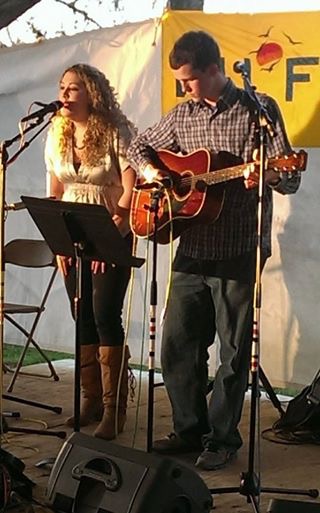
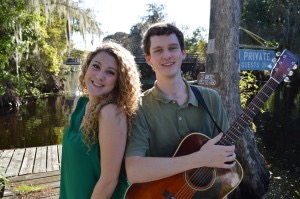
Jessie and Lee on the Azalea Stage at the Will McLean Festival
Jessie and Lee have been performing as a brother/sister musical duo for several years now singing and playing at a variety of venues including the Will McLean Music Festival, the Florida Folk Festival, the Island Grove Blueberry Festival, Dance Alive at the Phillips Center for the Performing Arts, the Thomas Center as well as a variety of special events at the Marjorie Kinnan Rawlings State Historic Site and a many church programs and private events.
Jessie (Townsend) Armstrong and Lee Townsend were joined by Andy Garfield and David McBrady at the 2018 Blueberry Festival in Island Grove, FL.
(Left to right) Jessie (Townsend) Armstrong, Lee Townsend, David McBrady and Andy Garfield
One of my favorite performances by Jessie and Lee was at the 2016 Will McLean Festival when they were asked to perform the Will McLean song, “Macclenny Farewell” on the main stage during a tribute to the Matriarch of the Will McLean Festival, Margaret Longhill.
Jessie (Townsend) Armstrong, Lee Townsend and David McBrady performing Macclenny Farewell at the Will McLean Festival’s Tribute to Margaret Longhill in 2016
Jessie and Lee’s “Tribute” CD Now Available
Jessie and Lee have recorded their first professional CD at Gatorbone Studios in Keystone Heights. Click hereto listen to song samples and to find out how to order one.
To see video highlights of Jessie and Lee’s stage performances at the 2016 Florida Folk Festival click here:
To see highlights of Jessie and Lee’s stage performances at the 2016 Will McLean Music Festivalclick here:
At the 2016 Florida Folk Festival, state Heritage Award Winner Jeanie Fitchen invited Jessie, Lee and her mom to join her on the Old Marble Stage to sing one of Jeanie’s favorite songs, “Dumbarton’s Drums.”
Music video of Jessie and Lee and the band performing Will McLean’s “Crying Bird”
Music video of Jessie and Lee and the band performing the late Jim Ballew’s song, “When I Die”
On April 26, 2015 Jessie and Lee Townsend performed “What Wondrous Love Is This” at the Homecoming Services of the New Cross Creek Baptist Church on April 26, 2015
During the Homecoming service Jessie and Lee also performed “Amazing Love”
On March 15th, 2015 Jessie performed Will McLean’s “Macclenny Farewell” during the Hour of Power on the Main Stage.
Jessie and her brother Lee Townsendalso made great harmony on the Azalea Stage at the 2015 Will McLean Festival performing Towne Van Zandt’s, “If I Needed You” with help on the bass and harmony by David McBrady.
The trio even got in some bluegrass with “Drivin’ Nails In My Coffin.”
2015 was Jessie’s second year performing at the Will McLean Festival. She made her debut here on March 8th, 2014 singing a song by the late Steve Blackwellcalled, “The Line.”
Jessie singing I Need You at the 40th dedication services at the New Cross Creek Baptist Church on August 31st, 2014
Jessie singing King of My Heart at the 40th dedication services at the New Cross Creek Baptist Church on August 31st, 2014
Jessie singing Be Thou My Vision at the Homecoming services of the Providence United Methodist Church on October 26, 2014
Donna, Jessie and Lee Townsend singing Never Grow Old at the Homecoming services for the Providence United Methodist Church in Windsor, FL on October 26, 2014
Jessie and Lee performing “Bury Me Beneath the Willow” along with Andy Garfield in November, 2014
Jessie and Lee performing “A Living Prayer” at the Homecoming Services for the Providence United Methodist Church in Windsor, FL on October 26, 2014
Jessie and Lee performing “Ten Thousand Reasons” at the New Cross Creek Baptist Church on October 14, 2012
Melrose, FL – Florida Defenders of the Environment has named Karen Ahlers Executive Director of the non-profit research organization. FDE board president Steve Robitaille has been interim executive director since October 2013.
Robitaille noted Ahlers is a life long champion of Ocklawaha River restoration since witnessing as a child the destruction wrought by the Cross Florida Barge Canal project. FDE was founded in Gainesville in 1969 by Marjorie Harris Carr in an effort to halt the canal project.
Former Florida governor Buddy MacKay said, “Like Marjorie Carr, Karen is knowledgeable, totally fearless, with a passionate concern for Florida’s environment. Her selection is great news. I look forward to a revitalization of FDE.”
As FDE’s Ocklawaha Restoration Coordinator Ahlers has led the charge to protect the river from massive water withdrawals and to minimize nutrient pollution from the proposed 30,000 acre Adena Springs Ranch grass fed beef operation in the Ocklawaha Basin and Silver Springs springshed.
“Florida’s water resources are under tremendous pressure and I can think of no better place to fight for their protection and restoration than FDE,” Ahlers said. “The foundation laid by Marjorie Harris Carr is still strong with many seasoned environmental warriors ready to step up and be counted.”
A Putnam County native, Ahlers earned statewide recognition for the Putnam County Environmental Council where she served nine terms as president. Her Rally for the Rivers events brought participants from all over Florida to celebrate the state’s natural resources and focus on the continued existence of the detrimental dam on the Ocklawaha. Sandra Kokernoot, founder of Putnam County Environmental Council and former FDE board member, praised Ahlers for her organizing skills and her will to take on enormous challenges. “She made Putnam County Environmental Council one of the leading voices for protecting water resources in Florida,” Kokernoot said.
“Karen has been a long time and effective advocate for restoring the free flowing Ocklawaha River and preserving the purity and quantities of Florida’s natural water sheds,” said Joseph Little, FDE vice president. “She knows and is respected by all the players on both sides of the issues and assumes the role of executive director with no need for orientation. FDE’s executive committee is pleased that she has agreed to undertake this role.”
“It has been a privilege to serve as interim executive director, and in that capacity my respect and trust in Karen Ahlers as an environmental leader and steward continued to grow,” Robitaille said.
She is the ideal person to carry on the legacy entrusted to us by Marjorie Carr, and I look forward to working with her, the board and our members in the months and years ahead,” he added.