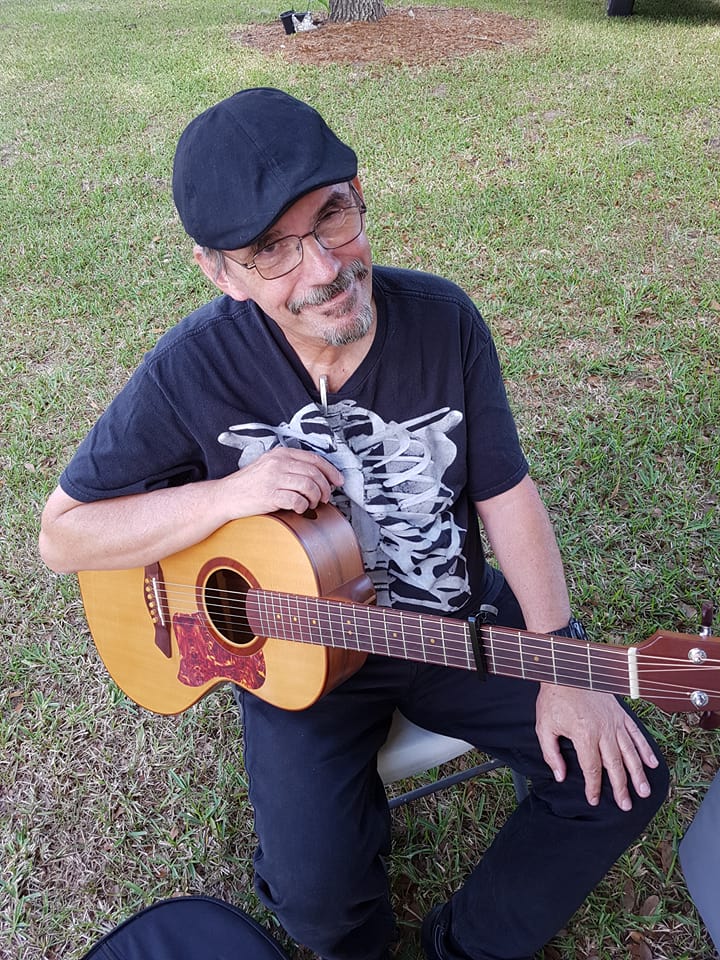
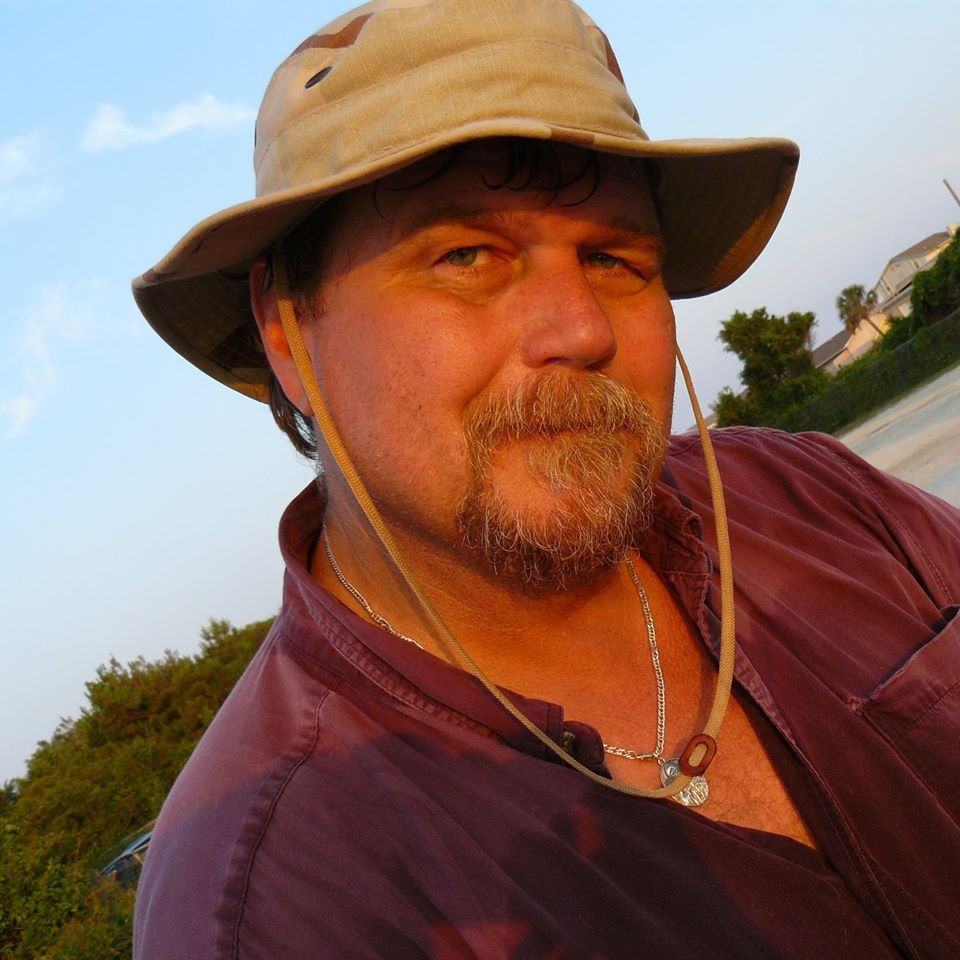
Winners of the 2020 Will McLean Song Contest– Galen, Jimmy and Tommy CurryGulf Coast Home
The Currys have been staking their claim within the Americana music scene for years, cutting their teeth in the oyster bars and listening rooms of the Florida Panhandle. Brothers Tommy and Jimmy Curry and cousin Galen Curry have been praised for their “tight-as-a-rubber-band” harmonies and “infectious” songwriting.
Their winning song in the 2020 Will McLean Best New Florida Song Contest, “Gulf Coast Home,” is a song about lost love, but it’s also a love song for home. The country-tinged nostalgia of the lyrics pays homage to the Currys’ roots in the Florida Panhandle. In the wake of Hurricane Michael, the band offered a free advance download of the song in exchange for donations to disaster relief efforts. To date, the campaign has raised nearly $8000.
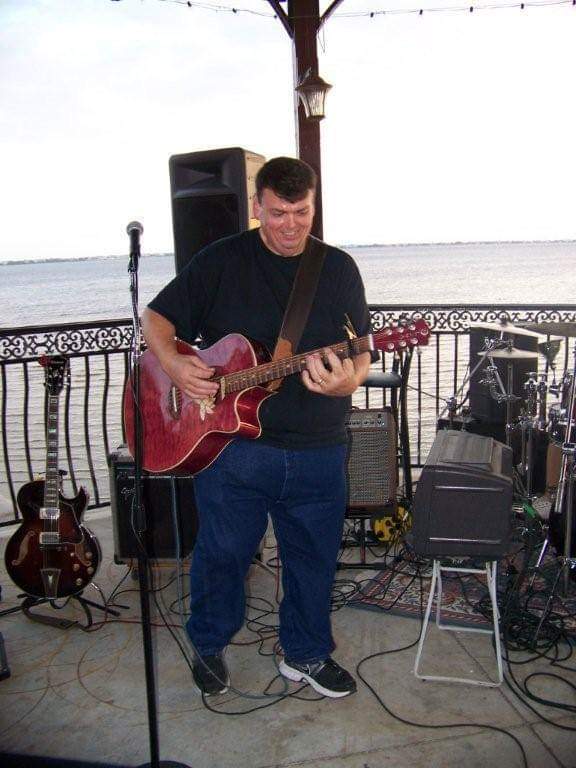
From left to right Galen, Jimmy and Tommy Curry
TheCurrys have three full-length albums to date: their studio debut “Follow” (2014) and “West of Here” (2016). Their new release, “This Side of the Glass,” once again features their tight vocal harmonies, but the album has ambitions, at times straying beyond the borders of the folk/singer-songwriter tradition. The trio shares songwriting duties, each in turn offering his take on the time-worn themes of life and love. For more on The Currys visit their website: https://thecurrysmusic.com/
(Note: Scroll down below the third place finisher and click on the video to see live performances by the 2nd and fourth place finishers as well as the presentation giving recognition to the first two scholarship winners announced by the Will McLean Foundation. Thanks to Gail Carson for the production.)
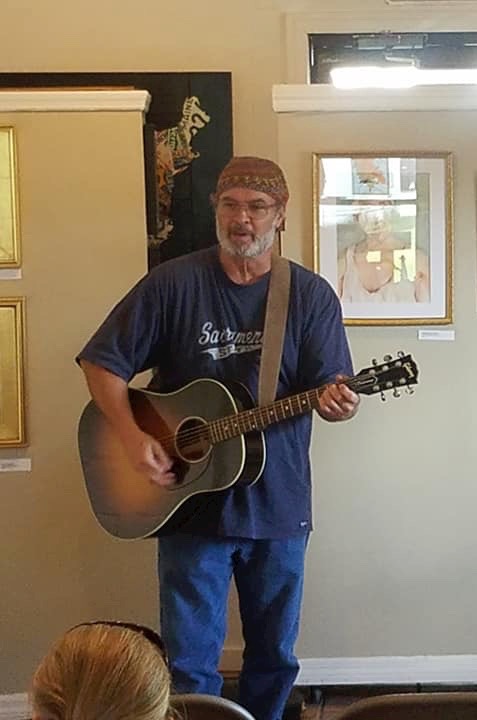
Second Place Finisher John Butler
Bridge to Sanibel
The second place finisher is John Butler from Matlacha in South Florida with a song called, “Bridge to Sanibel.” Butler says the song is a tribute to one of the most beautiful, laid-back spots in Florida, Sanibel Island: the beaches, the Ding Darling preserve, the hospitality culture and the “no hurry” atmosphere.
Butler is no newcomer to the Will McLean Festival. This is the third year the he has placed in the Will McLean Best New Florida Song Contest. In 2018 he placed second for his song, “Miami Bound.” In 2015 he placed second for, “Oh Miami.”
Most of Butler’s song writing is inspired by what he describes as serendipity, “…a random phrase uttered by a stranger, a simple gesture evincing a strong emotion, seeing a symbol that conveys a vivid meaning, and sometimes juxtaposing in my head elements of the rational and the absurd into a whole that makes me laugh out loud. Sometimes the song just blasts out of me, and sometimes the initial impulse has to marinate for years before I begin to develop it into a song.” Butler adds he loves story songs, ” They’re like a three-act play compressed into just a few minutes. But I also love songs that are more evocative than informative, that create an atmosphere for contemplation.”
Butler is well known in South Florida from playing in a number of bands through the years. For more than two decades he composed music for industrial marketing films.
His songwriting achievements also include being selected as a winner in the 2018 Grassy Hill Kerrville New Folk Competition for Emerging Songwriters at the Kerville Folk Festival, winning first place in the 2011 North Florida Folk Festival Americana song writing contest, a first place in the 2014 “Hope by Song” song writing competition in southwest Florida, and a win (as one of three co-equal winners) in the 2015 South Florida Folk Festival song writer competition. One of Butler’s songs was included in the soundtrack of the 2013 feature film, “Texas Chainsaw Massacre 3-D.”
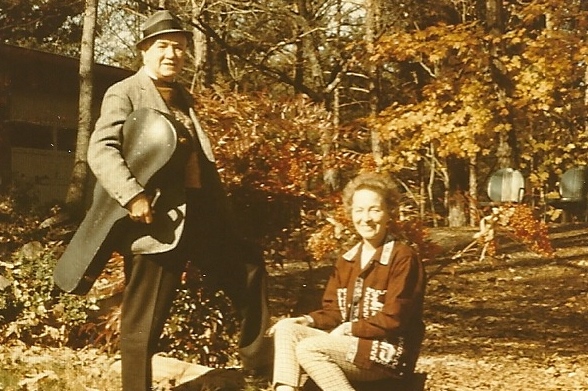
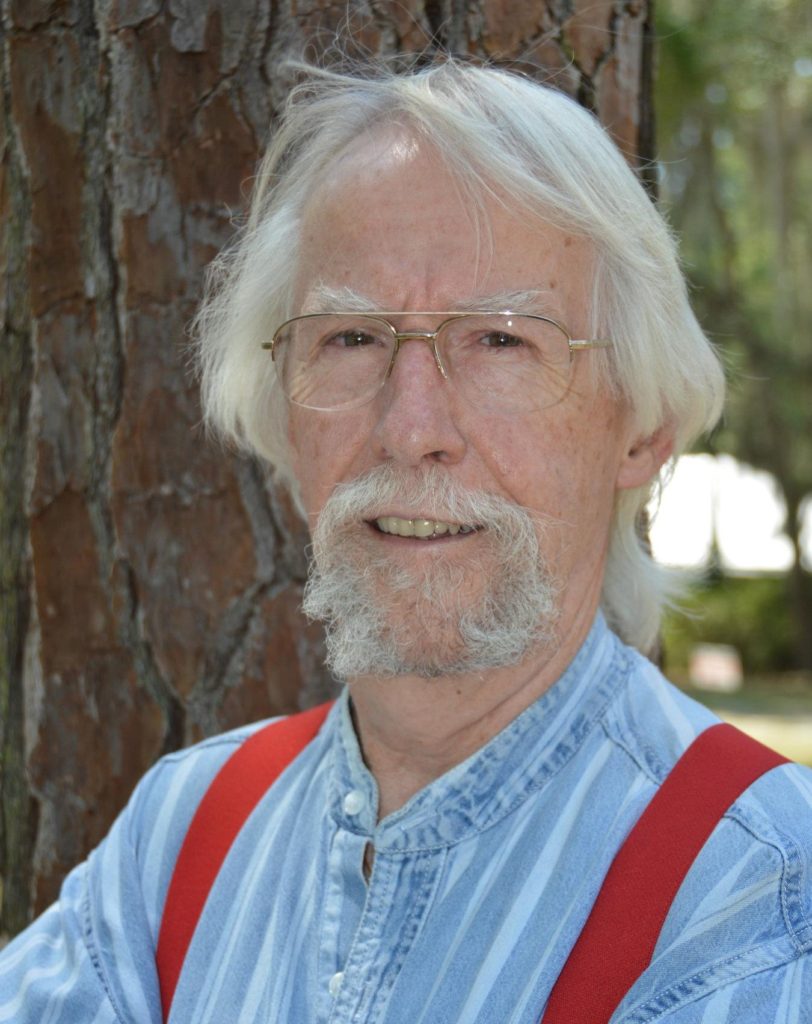
Third place finisher Jim Bickerstaff
Jim Billie, Chief of the Seminole
The third place finisher in the 2020 Will McLean Best New Florida Song Contest is Jim Bickerstaff from Southport, NC with his song, “Jim Billie, Chief of the Seminole.” Bickerstaff co-wrote the song with Pete Gallagher from St. Petersburg, FL. (Gallagher hosts the Saturday morning “Florida Folk Show” on 88.5 FM, WMNF, a community radio station in Tampa.) Jim Bickerstaff also tied for 7th with a song called, “Sister Mary.”
As a four-year house engineer for legendary producer, Johnny Sandlin, Bickerstaff has worked at the top of the music business as an audio engineer for groups such as Widespread Panic, Col. Bruce Hampton & the Aquarium Rescue Unit & The Dixie Dregs on releases by Capricorn Records and Warner Brothers Music.
Additional projects and artists include Scott Boyer, Tommy Talton, Chuck Leavell, Butch Trucks, Eddie Hinton, Loretta Lynn, Roger Hawkins, T Lavitz, David Hood, John Hiatt, Ry Cooder, Gladys Knight, Kelvin Holly, Spanky Alford, and many others.
As an independent producer and engineer, Bickerstaff has worked with Jupiter Coyote, Jeannie Fitchen, Mindy Simmons, Raiford Starke, Joey Errigo, Clyde Walker, Sam Pacetti, Vassar Clements. John McEuen, Bela Fleck, Upsala, and hundreds of other Indie artists.
“Most of my music career has been behind the console, but I have always been a writer,” says Bickerstaff. “The opportunity to play with so many great musicians while working at Johnny Sandlin’s studio and traveling in a mobile studio created a chance to cut some of my songs.”
Bickerstaff’s latest CD entitled, “Florida” began as a concept project in early 2018 when he decided to return to writing and recording after a long hiatus.
“I wanted to capture the essence of a Florida I have come to love from the people and places you don’t see on the tourist maps,” says Bickerstaff. “This is a Florida I have seen through the eyes of the Seminole people, Margaret Longhill, Frank Thomas, Don Grooms, and J.U. Lee, absorbed through countless nights recording and picking music around campfires. It is a Florida you feel while sitting on the bank of the Withlacoochee, paddling through the mangroves in the Keys, or camping in the middle of the Everglades.”
Here is a video produced from the live performances at the Will McLean Festival on March 13th of not only the first two scholarship winners from the Will McLean Foundation, but also the winner and two of the finishers of the 2020 Will McLean Best New Florida Song Contest produced by Gail Carson.
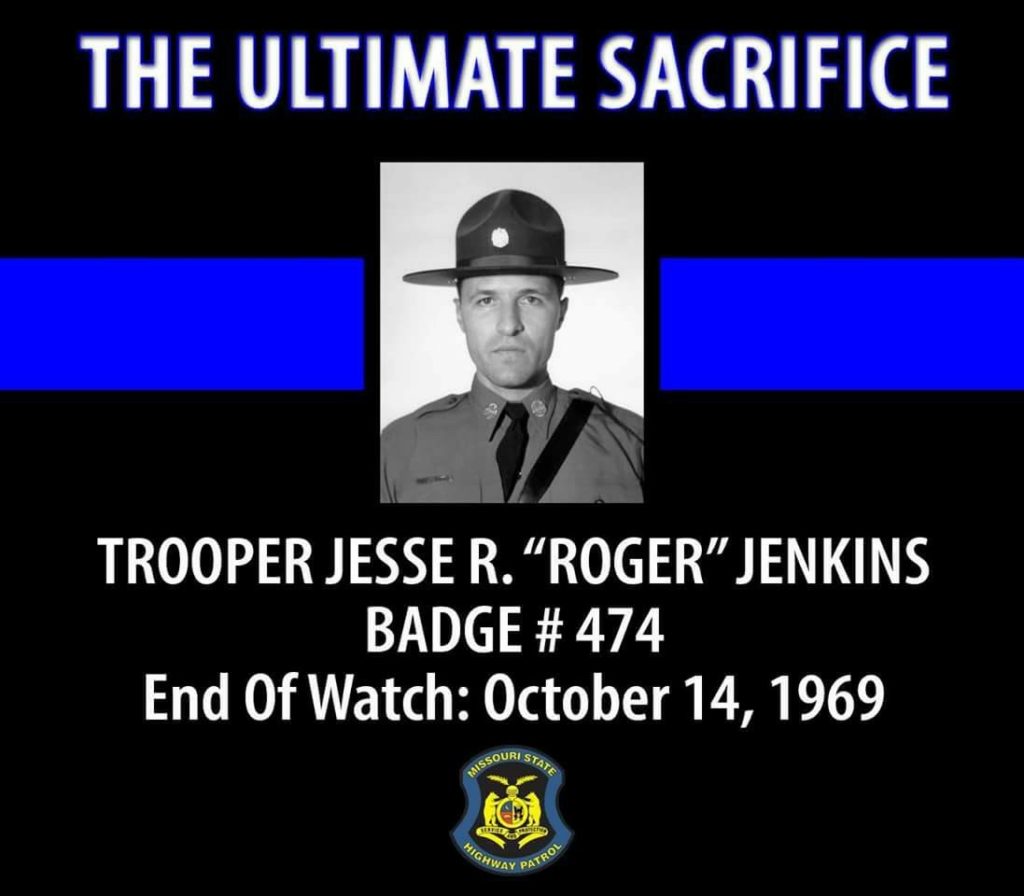
Jesse Jenkins was killed in the line of duty 50 years ago this year
This is a narrative fifty years in the making. I’ve wanted to share my thoughts on the death of Missouri State Highway Patrolman Jesse Roger Jenkins for many years, but the subject was just too painful to write about. It has now been five decades since Jesse was gunned down in a shootout in the Montgomery City, MO courthouse. When he died on October 14, 1969 Jesse was only 29 years old. I was only 11.
Articles from a variety of journalists have appeared throughout the years giving an account of the details of the tragedy that day in my small hometown of Montgomery City. The most thorough write-up is in an article by the Missouri State Highway Patrol itself.
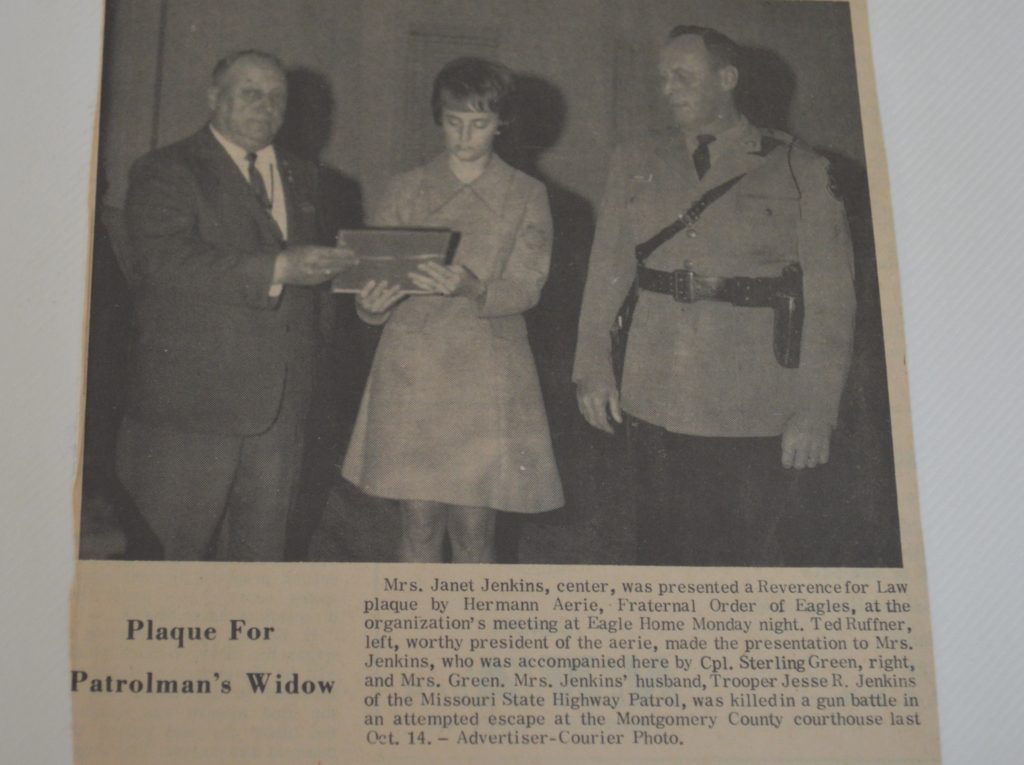
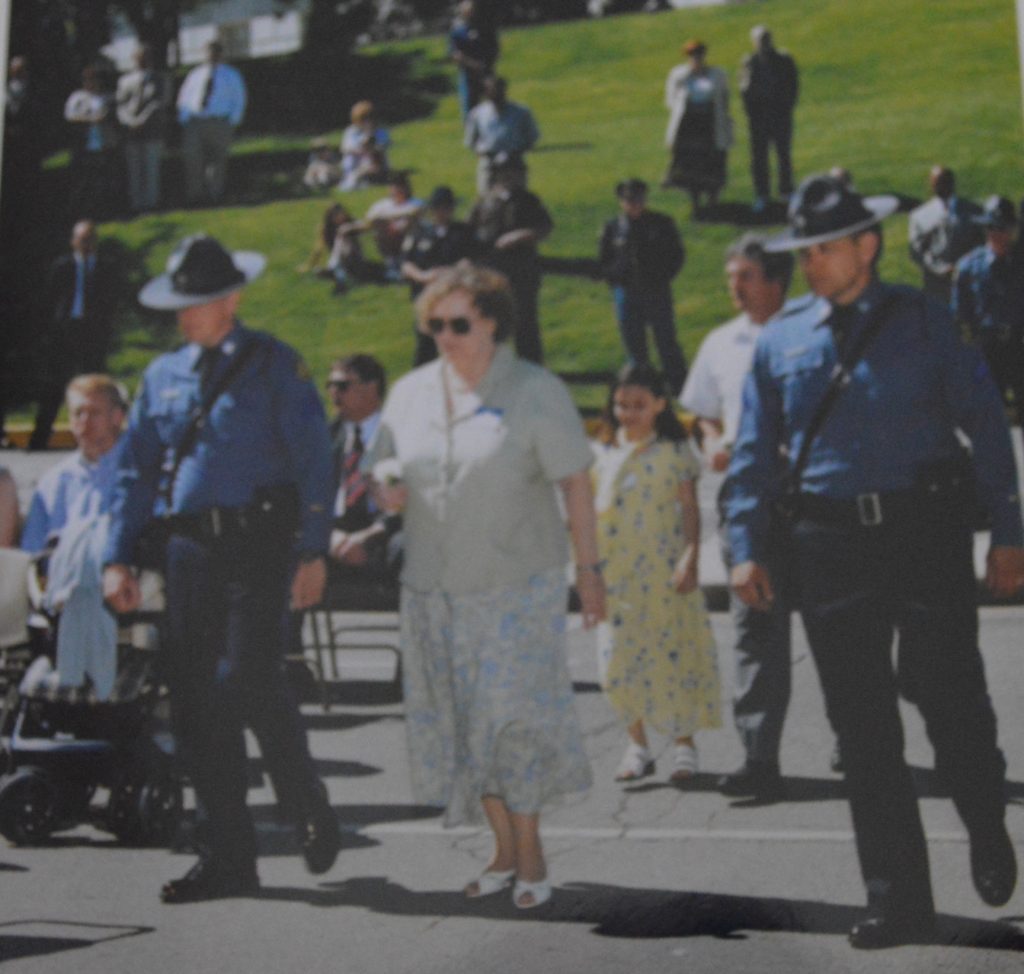
Jesse’s widow Jan receiving a plaque to honor her late husband Jesse. Standing to the right is my dad, Mo state highway patrolman Sterling L. Green
Though the highway patrol article mentioned I was taking care of Jesse’s two children that evening in 1969, the account does not give a detailed perspective from my point of view as the young babysitter who was really still a child myself. It’s important to me to share that perspective after all these years.
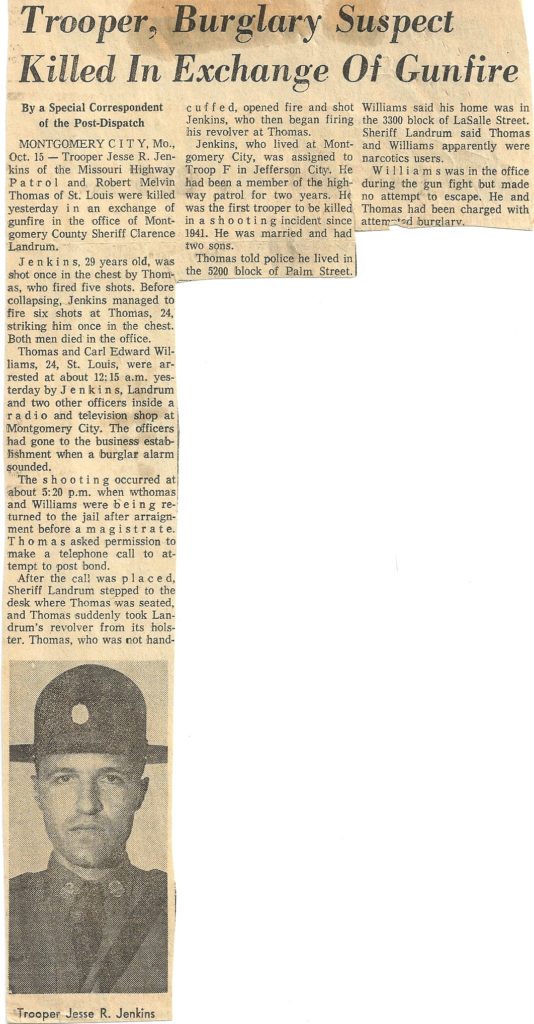
Jesse and a burglary suspect both died in an exchange of gunfire in the Montgomery County Courthouse late in the afternoon on October 14th, 1969. Details of the shooting are described in the highway patrol article. In summary, there were two suspects who had just made their first appearance in magistrate court for a burglary of a radio and television shop in town. While in the sheriff’s office one suspect, who wasn’t handcuffed at the moment, grabbed the sheriff’s gun when the sheriff turned to take a phone call and began shooting. Trooper Jenkins returned fire. Both died at the courthouse. Jesse’s quick action saved the lives of all the other law enforcement officials in the room that day. That makes him a hero. Jesse had only been on the patrol for less than two years. Again, the details of who the suspects were and what exactly happened are not why I decided to write this account. I want to talk about the man who became a hero that day to so many, especially to me.
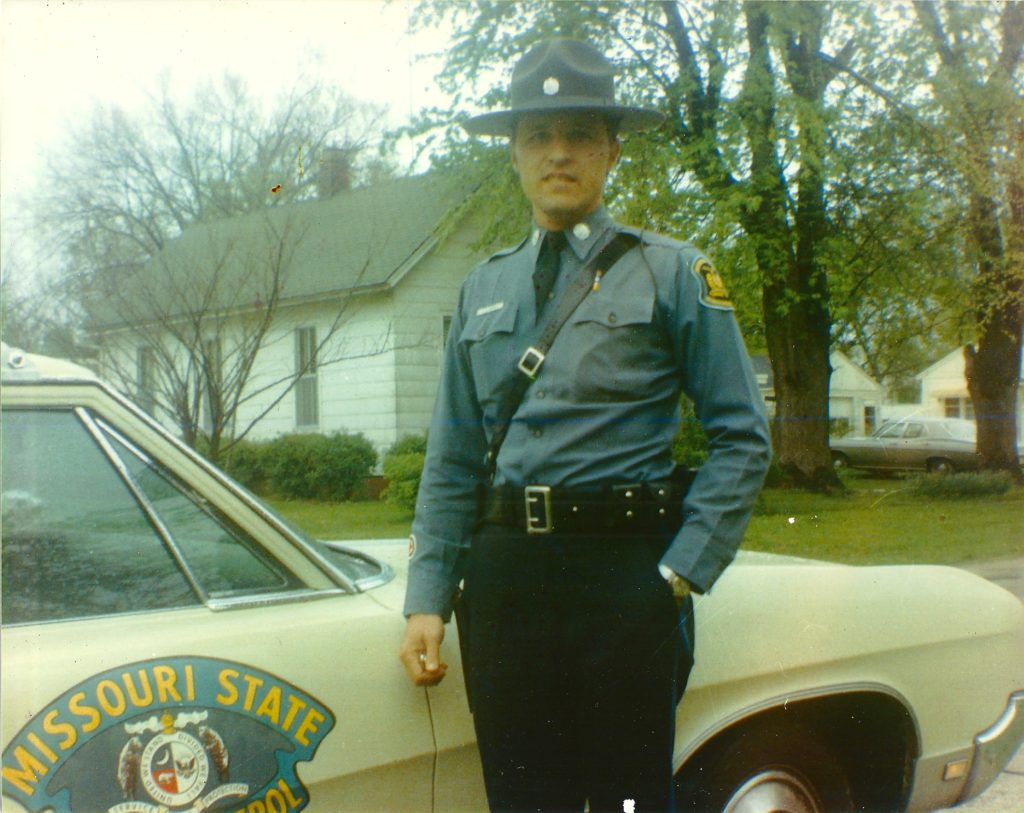
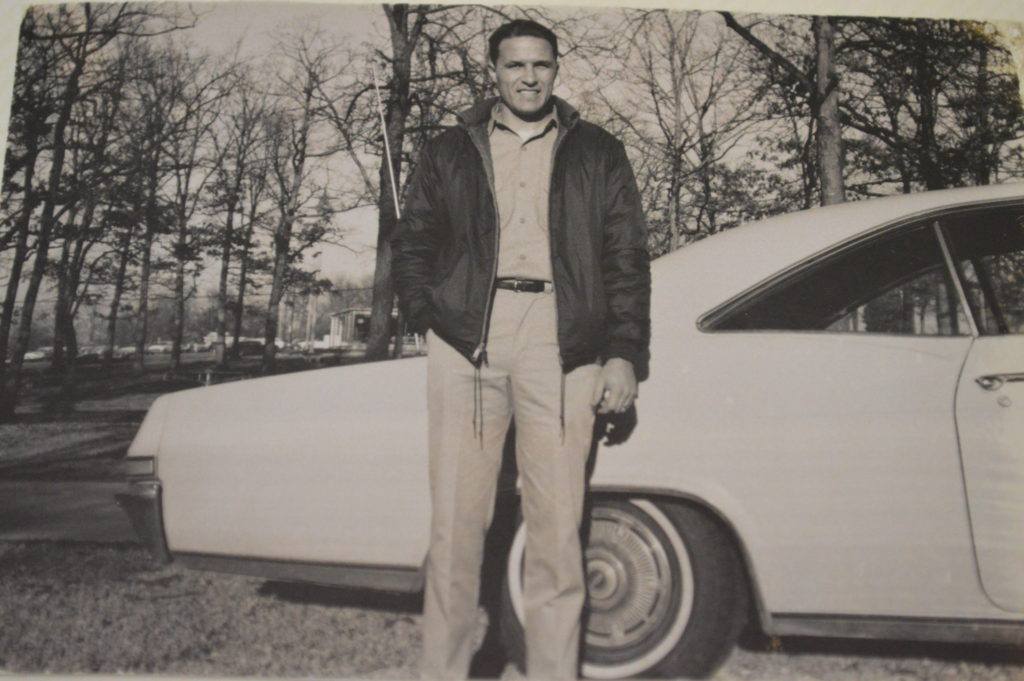
Jesse Jenkins standing beside his patrol car in Montgomery City, MO
In the 50 years since that tragic day I have continued to grieve the loss of such an incredible young man who was a friend of our family and a fellow officer of my father who served with Jesse as a highway patrolman in that small town of less than 3,000 people. My father, the late Sterling L. Green, helped train Jesse on the job once Jesse completed his training at the highway patrol academy. My dad also adopted Jesse as part of our family as he waited for his wife Jan and his two boys, Jeff and Bruce, to arrive at their home in Montgomery City.
Jesse and Jan’s son Jeff
Jesse and Jan’s son Bruce
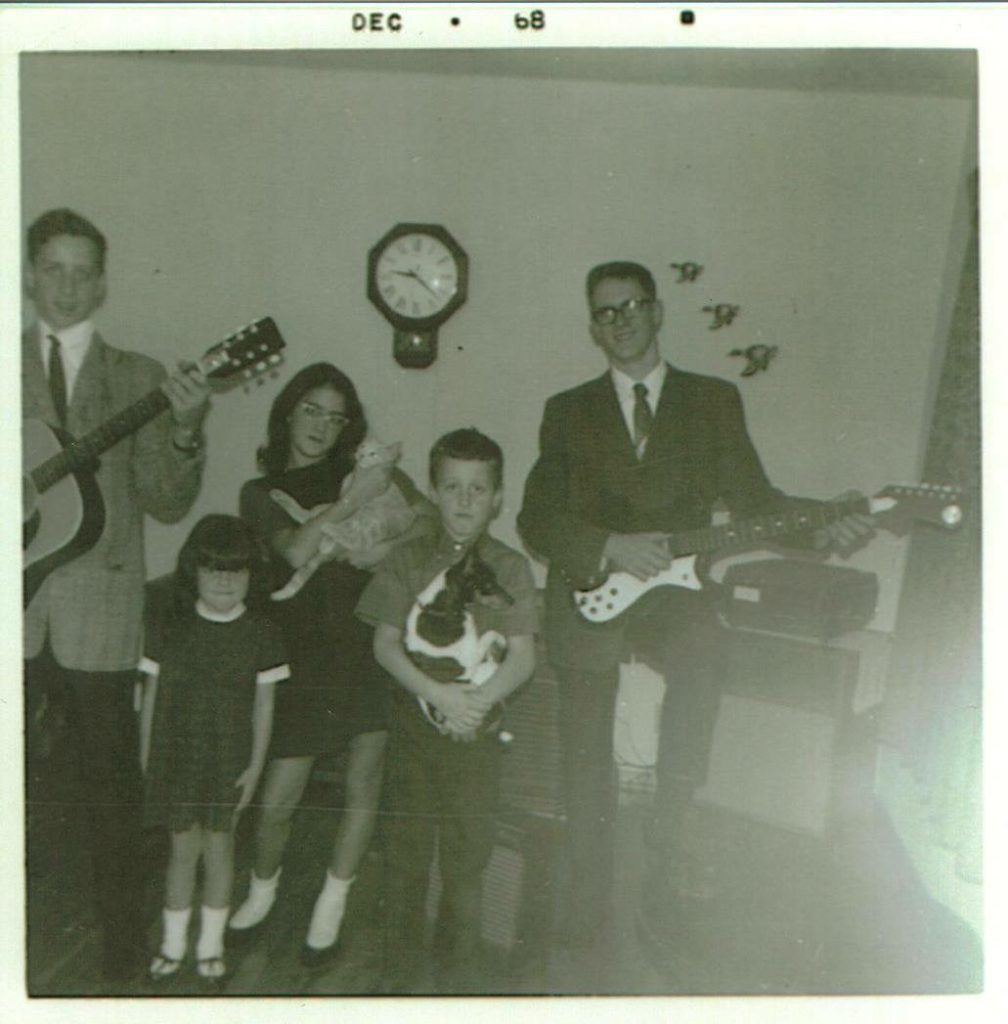
We spent hours playing music together in our small living room. My dad and two older brothers all played guitar. My dad had a reel to reel tape recorder and captured us on tape singing and playing.
From left to right my brother Danny, sister Denise, me, my late brother Stanley and my brother Sterling in 1968
I particularly remember hearing Jesse singing gospel songs. I have since learned Jesse grew up singing in his church choir as a young man. My brother Sterling specifically remembers how Jesse liked to sing the Buck Owens song, “The Race Is On.” He also remembers him helping our dad coach 3rd base in the summer when my brothers were playing baseball. He has a funny recollection of Jesse leaving his sunglasses on at an evening game after the sun went down and wondered why it was getting so dark.
Jesse also attended one of my brother’s basketball games in Troy, MO when the court was still on a stage before the school got its new gym. He also recalls getting advice from Jesse on how to shoot a basketball with both hands so that he could be flexible when it came to scoring, depending on how the defense was playing him or trying to block his shot. I’d like to think Jesse was smiling in heaven when he saw how his basketball advice helped my two older brothers as they and the rest of the varsity team at Montgomery County R-II High School went on to win the Class M State Championship just a few years later in 1972. Those were fun times for all of us.
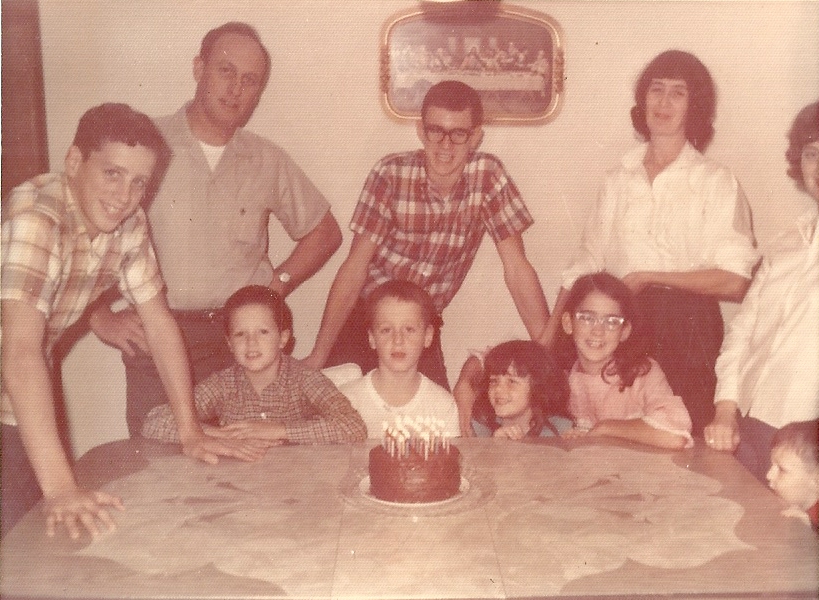
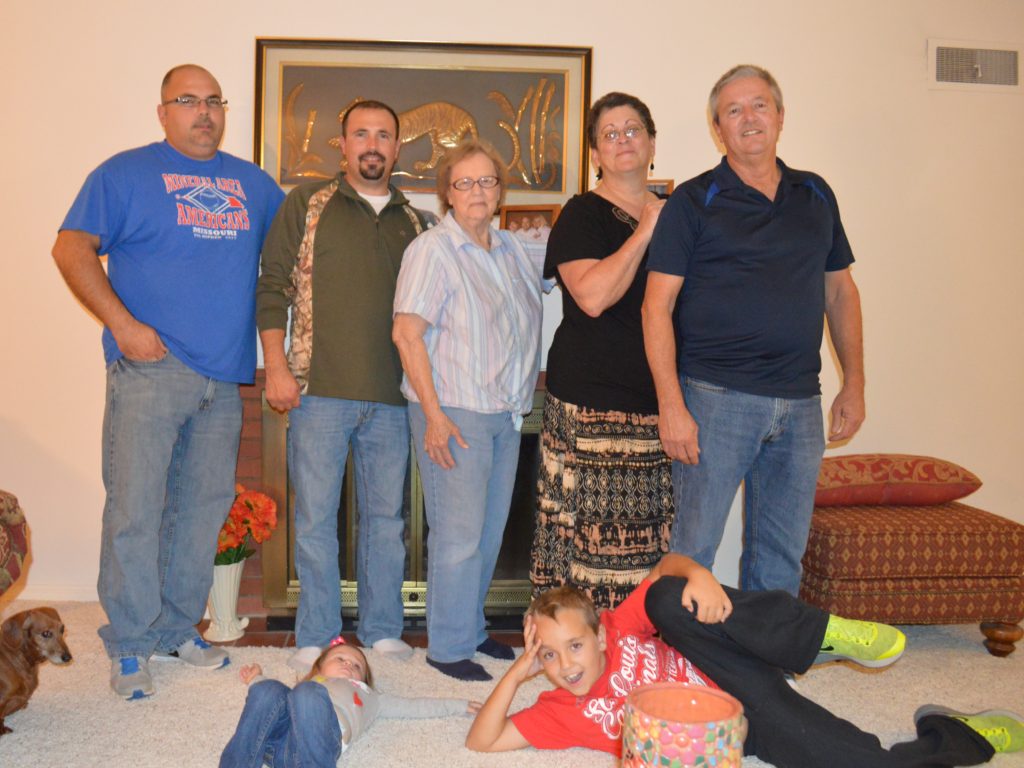
One of my favorite pictures in 1968 showing our two families celebrating a birthday together. Jesse took the photo. (from left to right back row) my brother Danny, my dad Sterling, my brother Sterling Jr., my mom Mary and Jan Jenkins. (front row left to right) Jeff Jenkins, my brother Stan, my sister Denise, me and Bruce Jenkins.
I remember a special law enforcement family cookout by a lake near Mineola Hill outside of Montgomery City. I remember it because they cooked frog legs, something I had never eaten before. My brothers and I spent time in the lake with Jesse having a moss flinging battle. I can still hear his laugh when he got in a good throw at my brothers. It’s a silly memory, but always makes me smile…and what a smile Jesse had.
Jesse’s wife Jan had been studying nursing in southern Missouri when Jesse was stationed in Montgomery City. When she and young sons Jeff and Bruce finally joined Jesse my parents often invited them over to play cards or games like “Jart” in the back yard. I recall one such night playing “Jart” just before Jesse died. I found his sunglasses hanging on our clothes line a couple of days later and took them to my mom, the late Mary (Green) Stratman. I remember she was very sad and it was then that she pulled out the patrol shirt Jesse had been wearing the day he was shot. She showed me the hole in the shirt where the bullet had gone through to his chest and pointed out how there had only been a small fifty-cent-piece-sized blood stain around the bullet hole. She was going to try and wash the blood out of the shirt. At only 11 years old that image has remained with me. I had never seen anything like this before and the sadness on my mother’s face was something I will never erase from my mind.
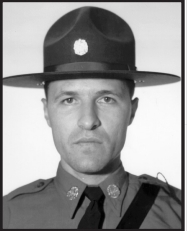
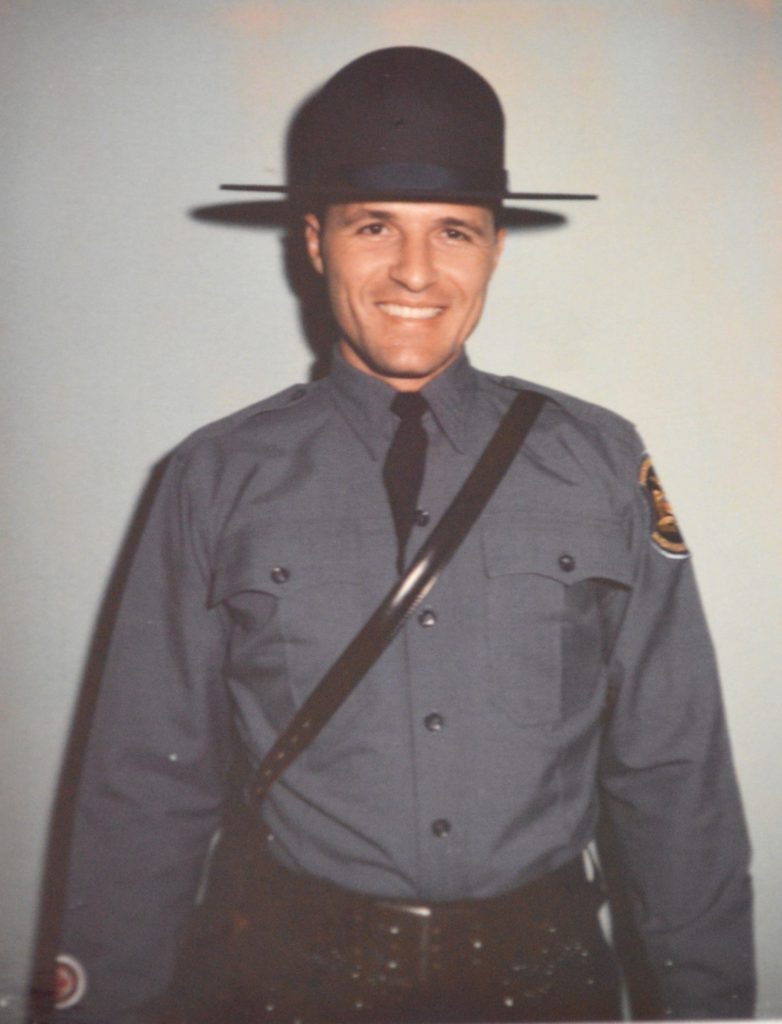
Jessie Roger Jenkins official patrol photo
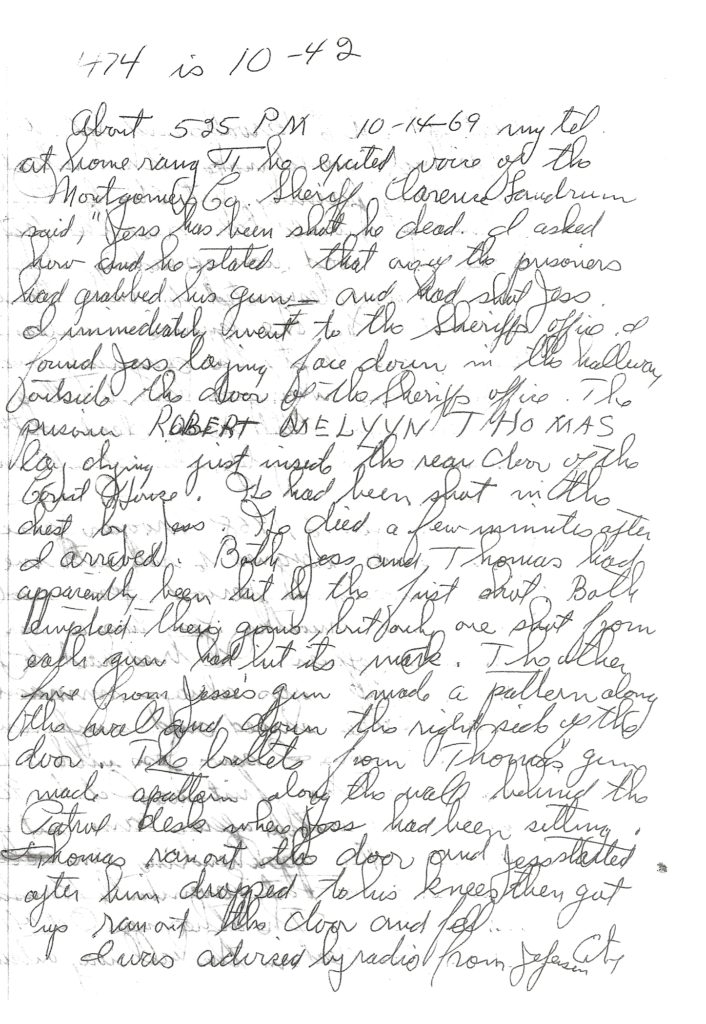
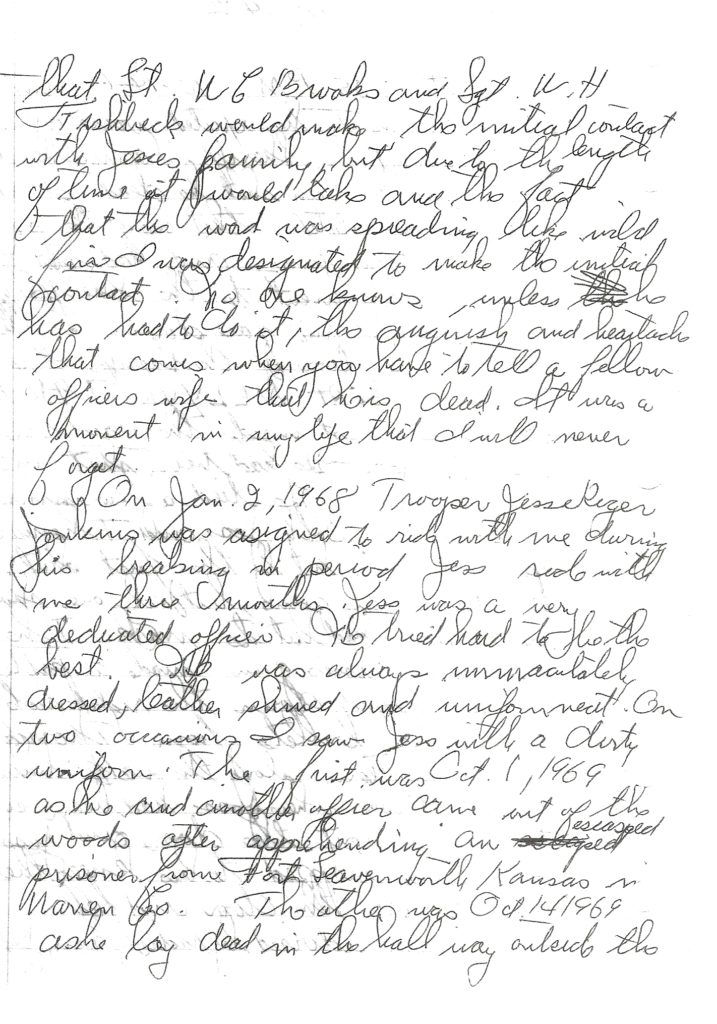
My father Sterling, or Leon as many called him, was a pretty stoic character. He spent nearly four decades as a highway patrolman in Missouri. Later in life I learned that he had worked nearly 400 fatality accidents in his career while working the road. That statistic did not even include the other injury accidents he had worked along Interstate 70 and other highways. He didn’t talk about his work with his five kids. It took until I was a parent myself that I fully appreciated the horrible things he must have seen. That being said, it was only in July of this year (2019) that my brother shared with me a handwritten narrative he had found that my dad had written about the day of Jesse’s death. A page seems to be missing. I don’t know if he wrote this for himself or to give to the highway patrol at the time, but it’s the first time I actually learned how my father felt about that horrible day.
I believe my dad never got over Jesse’s death. Maybe he felt guilty that he wasn’t there when the shooting took place. He had just gotten home from his shift which ended at 4 p.m. Jesse’s shift had just begun. I clearly remember my dad was putting his uniform away when the phone call came in to our home from Sheriff Clarence Landrum saying Jesse had been shot and was dead.
Just one of many newspaper reports about the shooting
Jan Jenkins attending a service for fallen law enforcement officers
My father raced back to the courthouse. I must have been in my room nearby and heard the commotion. I recall my mother being on the phone talking with who I believe was the sheriff’s wife Annie. I remember feeling like the room was swirling around. I had never witnessed my mother so frantic. I tugged on her arm trying to get her attention, but she was waving me off. I persisted and finally got her attention when I said that Jesse’s wife Jan was on her way to our house because she was going to pick me up to babysit while she went bowling. Again, I was only 11 years old and my mother told me distinctly not to say one word when Jan came. I was to get in the car and go along with Jan to babysit and act like everything was normal.
Jan arrived with one of our family’s mutual friends, Linda Dempsey. I got into the back seat and vividly recall how happy they were, laughing and talking all the way to Jan’s home. The bowling alley was only a few blocks away. It’s strange how one’s mind recalls various details from the past. What I remember was nine year old Jeff pulling a piece of hail out of their freezer that had fallen during a storm just a few days before. It looked to be the size of a baseball.
Jan and Jesse’s youngest son Bruce was around four years old and was a special needs child. When he woke up from a nap I recall putting him in a wagon in the house and pulling him around in a circle from the kitchen through the living room and around again, over and over. It helped to calm him. At some point I received a phone call. It was Jan. She told me not to turn on the television or radio because she didn’t want Jeff to hear any news. From the urgency in her voice I knew that she had found out about Jesse’s death. I guaranteed her I would do as she asked. But then people began to come over who had obviously already heard the news. I know that Jeff didn’t understand what was really going on as people began saying, “I’m so sorry.”
I don’t recall how I got home. I have no recollection of the next day other than the small entry I had made into my diary that said, “Today our friend Jesse Jenkins was killed.” The funeral was scheduled to take place in Desloge in southern Missouri, but there was a visitation at the Schlanker’s Funeral Home in Montgomery City. It was only the second funeral home I had ever been to. A former sheriff’s adopted daughter had committed suicide as a teenager and my mom took me to the visitation in New Florence, MO a few years before. That room was filled with roses. I couldn’t stand the smell of roses for years after that. At Jesse’s visitation I recall there was a uniformed highway patrolman, maybe even two, standing guard at his casket. It made me feel nervous to approach Jesse’s coffin with them standing there. Jesse was also dressed in his blue and black uniform. He only seemed to be asleep to me. It all seemed like a dream.
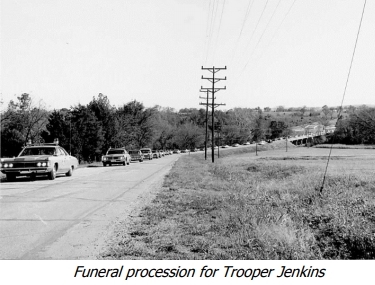
I’m sure it was only a day or so later, but my parents attended Jesse’s funeral at the Parkview Freewill Baptist Church in the Desloge community. I learned much later that my dad, who was Jesse’s training officer, was one of the pallbearers along with other officers from Troop F. I saw a picture in a highway patrol bulletin showing the long line of highway patrol cars in the funeral procession and remember thinking how much I wished I could have seen that in person. My brothers and sister and I didn’t get to go. I have always thought that was a mistake on my parent’s part. I think they were too caught up in their own grief to realize that their children needed closure and a chance to grieve as well. I have since learned the church where the funeral took place was small and only a limited number of people could attend the service. That’s probably another reason why my siblings and I were not allowed to go.
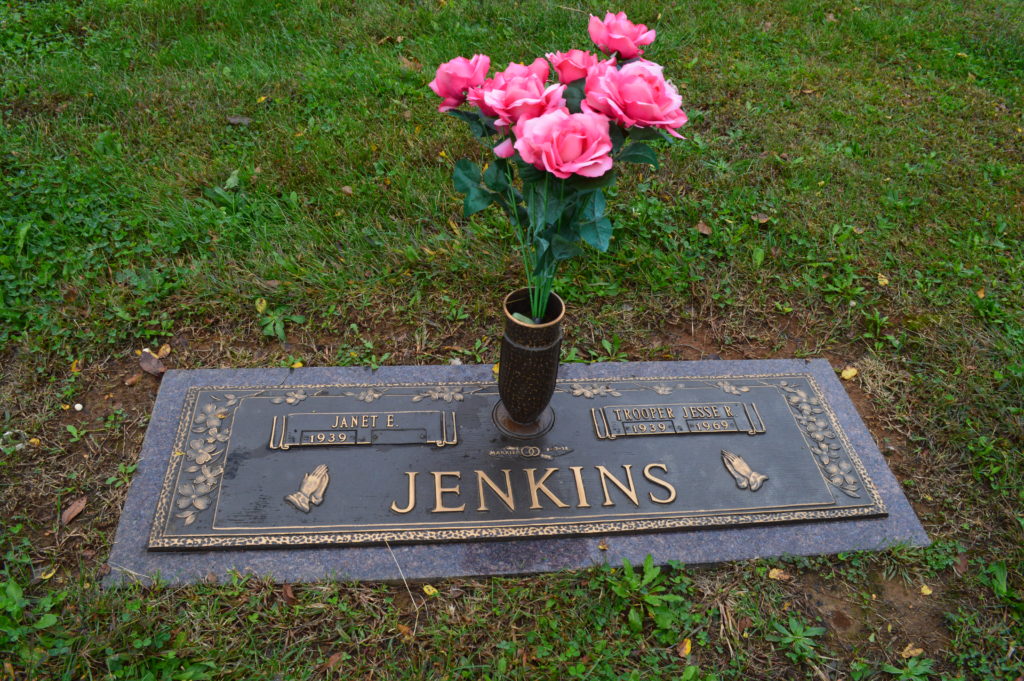
It took until 2014 before I was able to visit Jesse’s grave. On that day, October 14th, 2014 I could finally say goodbye.
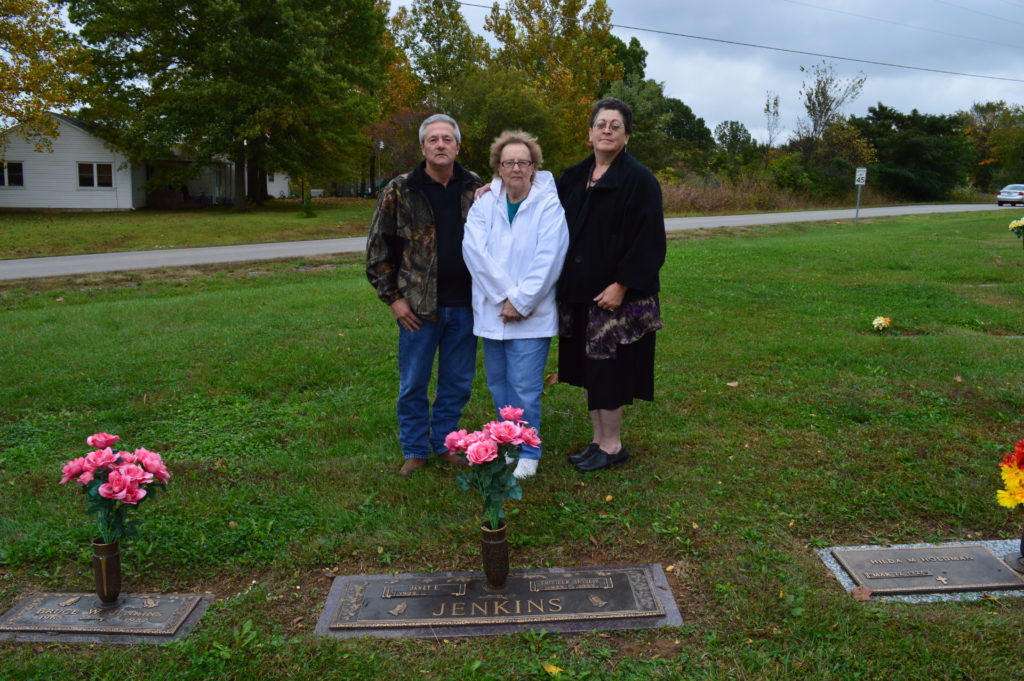
Jesse’s wife Jan and her son Jeff and his wife Rose took me to the cemetery along with my second daughter Jessie that I named after Jesse.
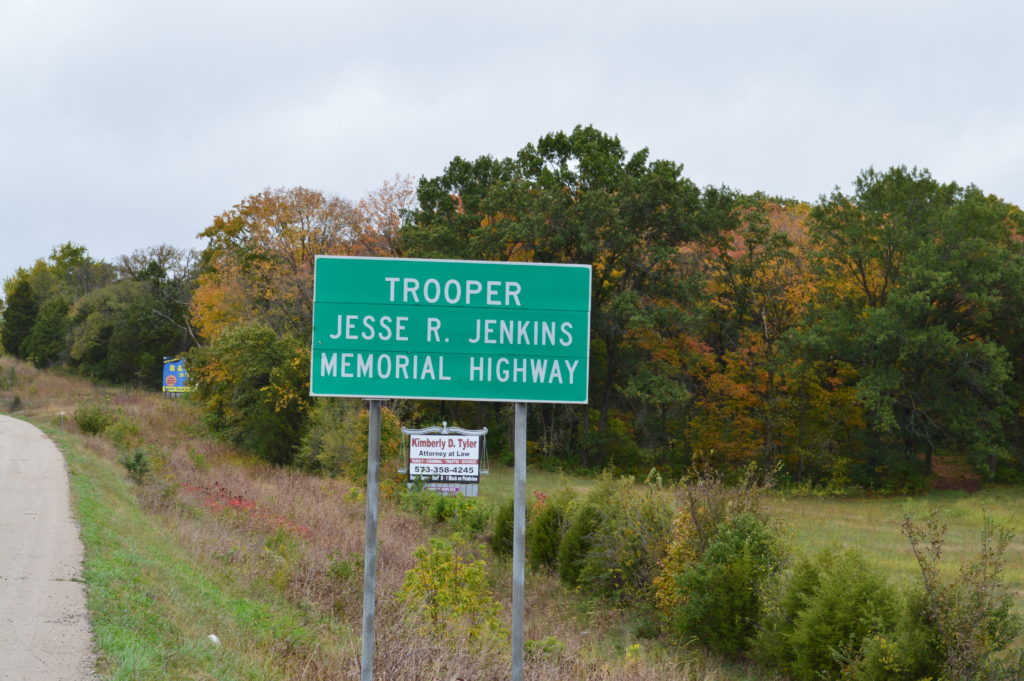
Highway marker on U.S. Highway 67 near Deloge, MO honoring Jesse Jenkins
We also drove down a section of U.S. Highway 67 between Bonne Terre and Desloge named after Jesse. The family is so proud of that.
During that visit with Jan in October of 2014 I had the chance to meet her son’s children and grandchildren. Jeff had also named one of his children Jessie. It did my heart good to finally spend time with the whole family.
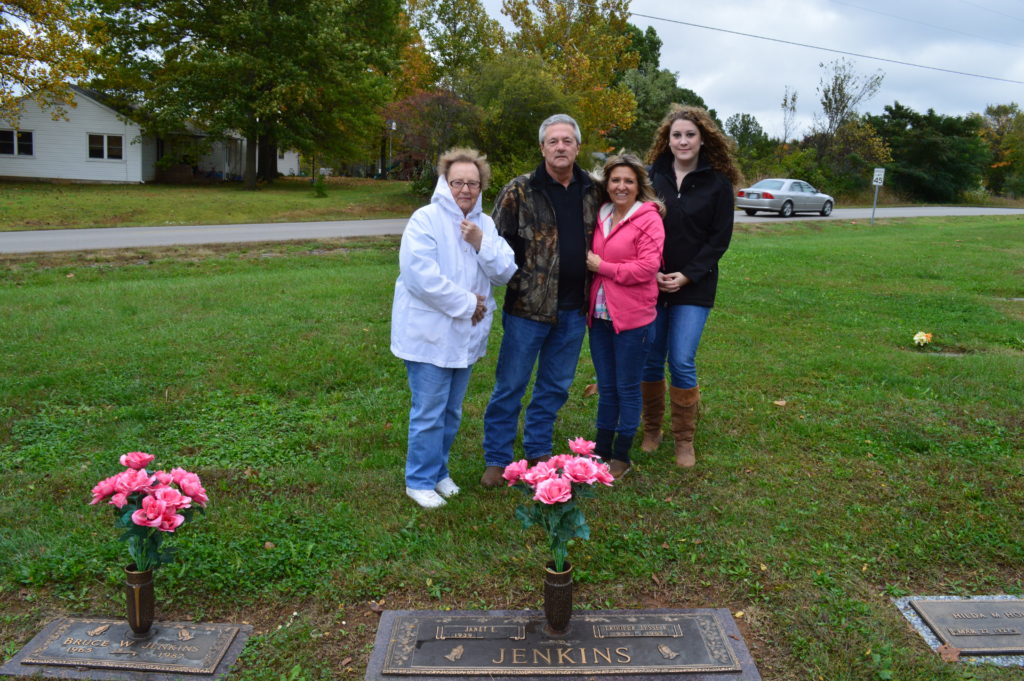
Jan Jenkins and family along with my daughter Jessie
From left to right Jessie (Townsend) Armstrong, Jan Jenkins, me and Jeff Jenkins
Jan shared some of the pictures of her and Jesse from their dating years and from early in their marriage.
Her son and grandsons look so much like their handsome grandpa that they never got to meet.
Jan’s two grandsons are on the left and her son Jeff is on the right
I shared some of my memories with Jan about that day in 1969 and agreed that it couldn’t have been a coincidence that my father died of a heart attack on the exact same day of October 14th thirteen years after Jesse’s death. When Jan and son Jeff came to Jefferson City for my father’s funeral, the first words we spoke to each other on our home’s stairwell were, “Can you believe he died on the same day as Jesse?” This time I had the chance to experience first hand how it feels to be surrounded by the kindred spirit of the Missouri State Highway Patrol when one of their own passes away. It was quite moving for my family as I’m sure it was for Jan and her son Jeff when Jesse passed away in 1969.
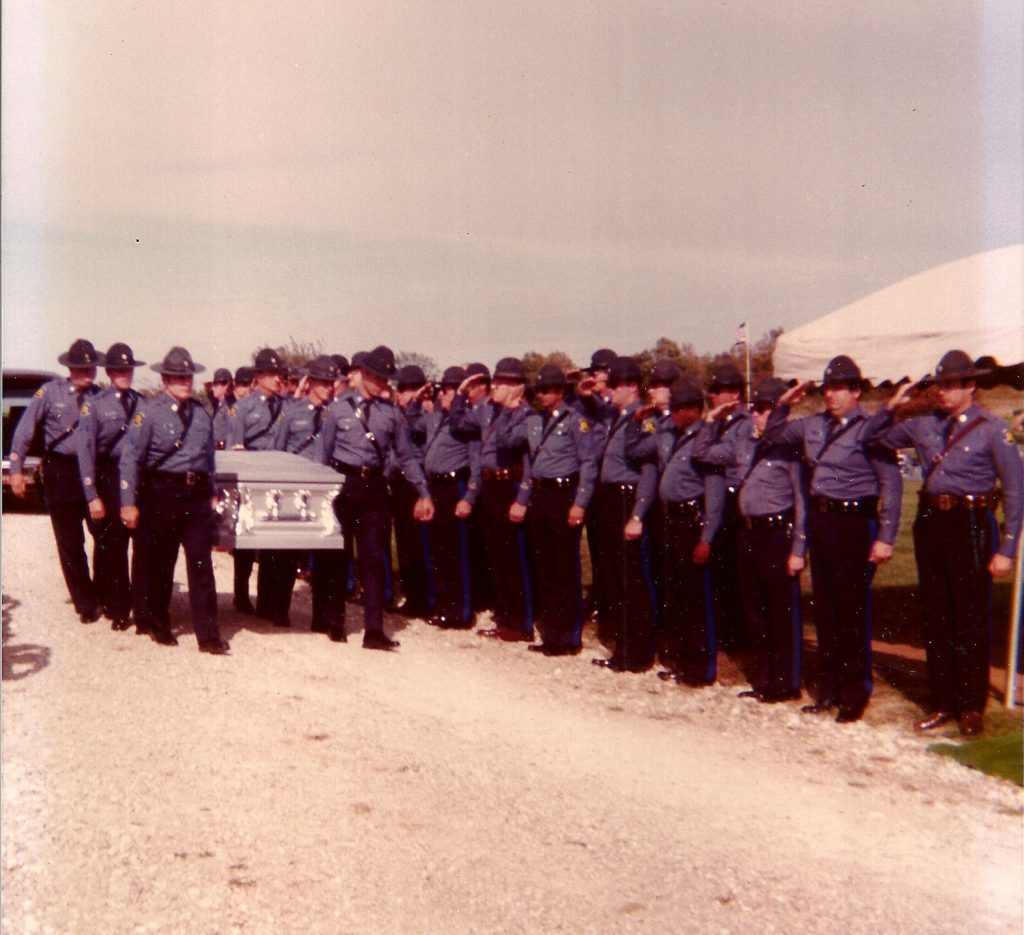
Troopers with the MO State Highway Patrol carrying my father’s casket in October of 1982
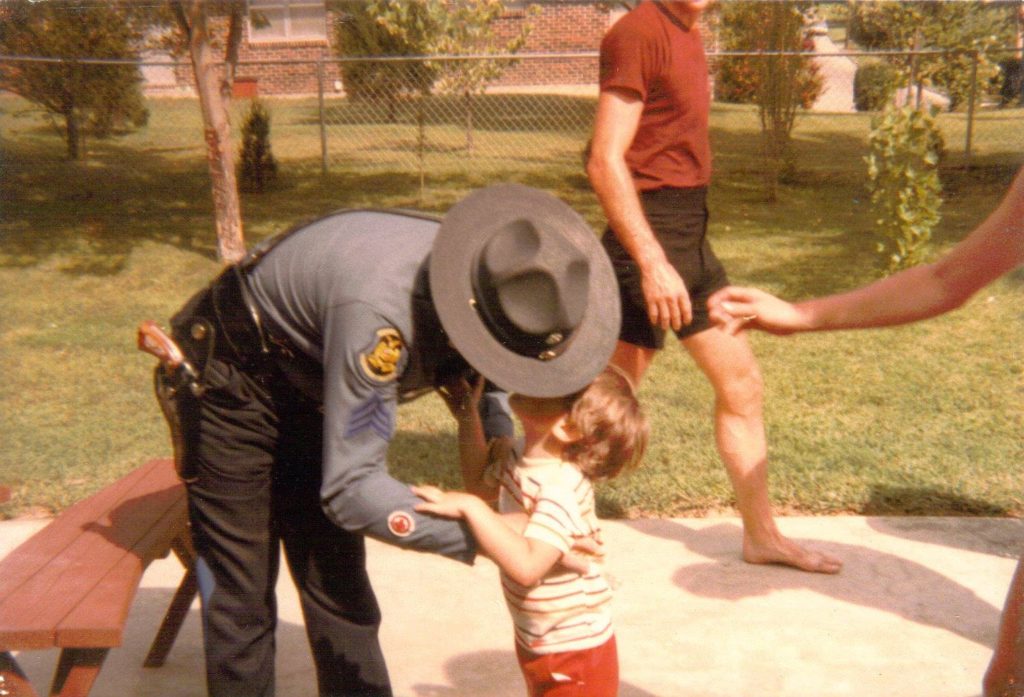
As I mentioned earlier, my dad never really got over losing his fellow officer and friend. It may be just one of the reasons why the picture of my dad kissing his first grandson goodbye as he headed for work in his uniform a few years later is so meaningful. I think he realized how fragile life is and that family is everything.
My dad a few months before he died giving a goodbye kiss to his grandson James before he headed off towork
Jan pulled out a box that held Jesse’s uniform. I wondered if it was the same one my mother had held up to me back in 1969 when she planned to clean off the blood stain. I ran my hand over the shirt and thanked her for showing it to me. She hoped to donate it to the MO State Highway Patrol.
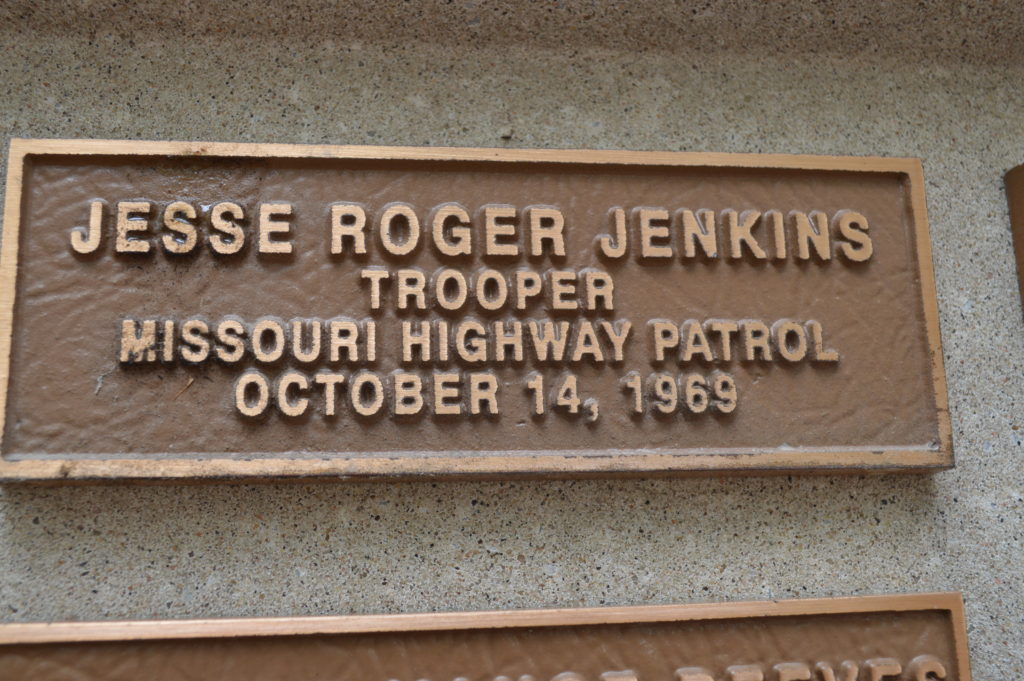
My daughter Jessie in front of the plaque honoring Jesse Jenkins in Jefferson City, MO
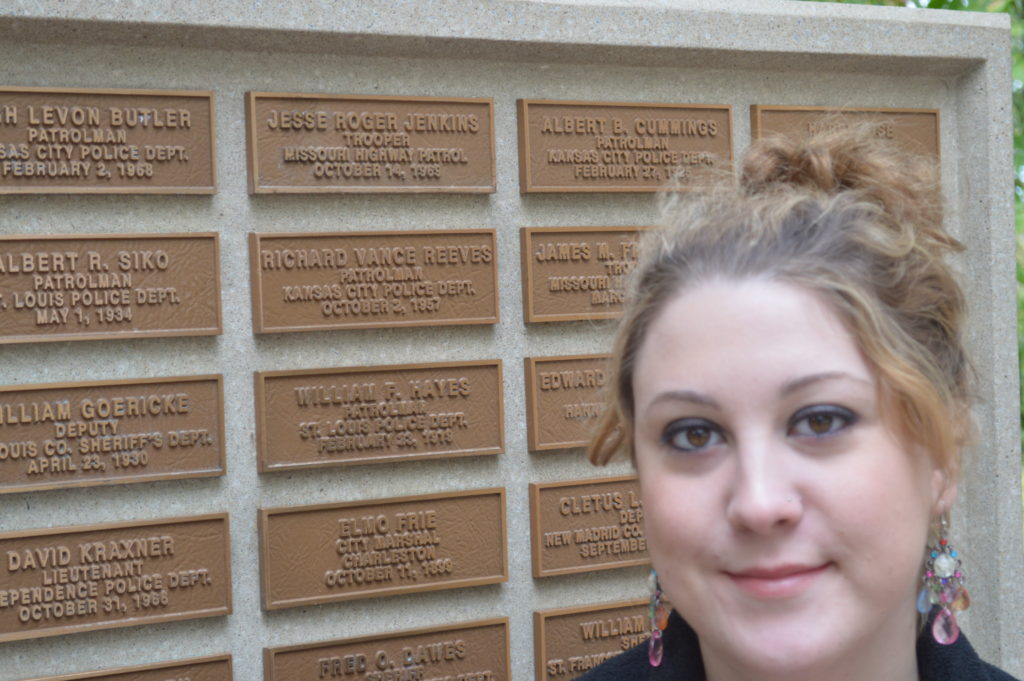
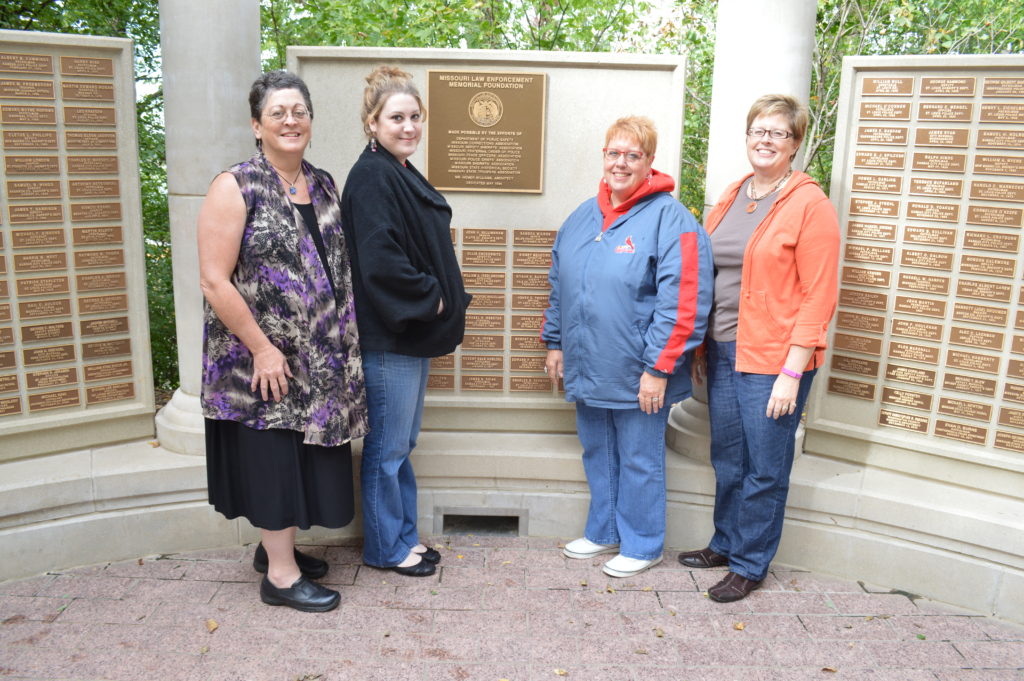
A couple of days before visiting the Jenkins family in 2014 I took my daughter Jessie to the MO State Highway Patrol Memorial by the state capitol building in Jefferson City where there are plaques for each law enforcement officer killed in the line of duty. I wanted my daughter to see Jesse Jenkins’ plaque. We were joined by longtime friends Melinda (Dolan) Sanders and Laura (Tinnin) Lewis. Melinda’s late father, William Dolan, had been the Superintendent of the MO State Highway Patrol before he retired. Laura’s late father, Norman “Gene” Tinnin, served as a Captain on the highway patrol until he retired.
The tragedy of losing Jesse Jenkins has had a profound effect on my life. I studied to become a journalist at the University of Missouri School of Journalism and spent four decades working in radio and television news. While teaching young journalists at Hutchinson Community College in Kansas and at the University of Florida in Gainesville I often shared the story about Jesse. I have been told that law enforcement radio transmissions about the shooting in the courthouse in Montgomery City that October day in 1969 may have been intercepted by various media who broadcast the information before the first of kin had been notified. It’s why Jan had called me that day I was babysitting to tell me not to turn on a television or radio. If that’s truly what happened, it was not an ethical thing for the media to have done. I shared that lesson with my students. It was because of that action that my dad had to find Jan driving down the street before she could get to the bowling alley to tell her what happened, because everyone at the bowling alley had already heard the news. My brothers remember that our dad then brought her to our home.
Jesse Roger Jenkins
Lately there have been a lot of 50 year anniversary celebrations and specials on television about 1969….everything from landing on the moon to Woodstock. But for me, 1969 will always be the year we lost a hero, Jesse Roger Jenkins. It was also the year I lost a bit of my childhood. RIP Jesse Jenkins. Gone too soon.
David Norman, the grandson of the late silent film producer Richard Norman, giving a talk at the Cade Museum in Gainesville, FL
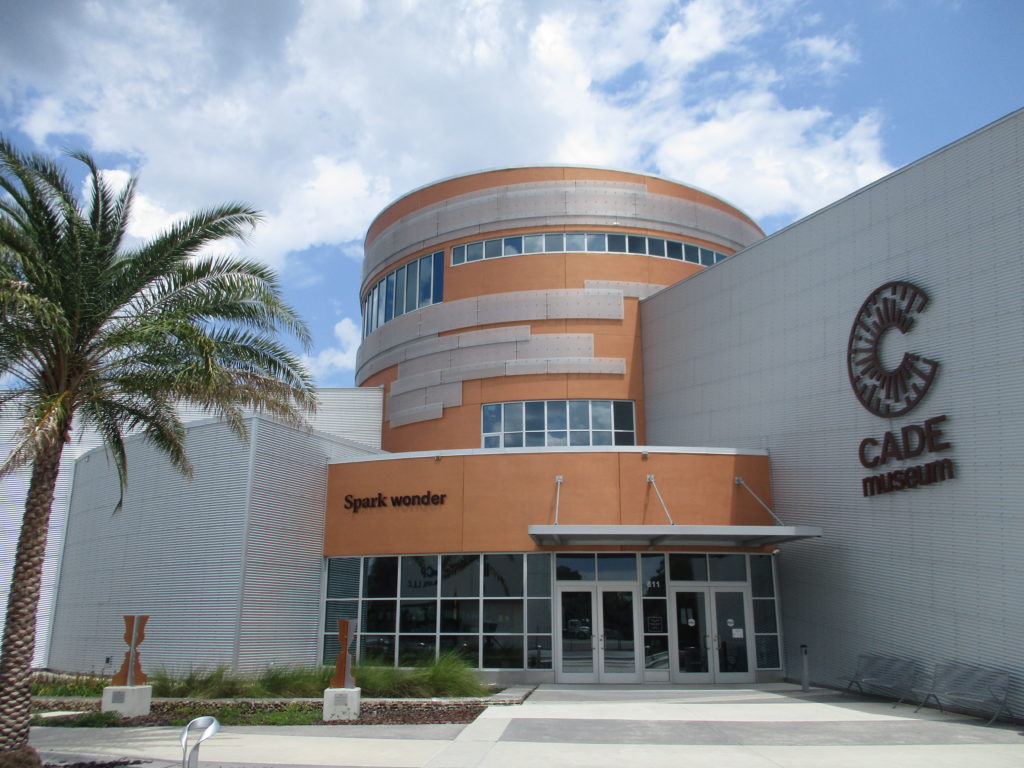
From June 14 through August 18, 2019, the Norman Studios presented an exhibit entitled, Norman Studios Presents The Flying Ace, at the Cade Museum for Creativity & Invention in Gainesville, Florida.
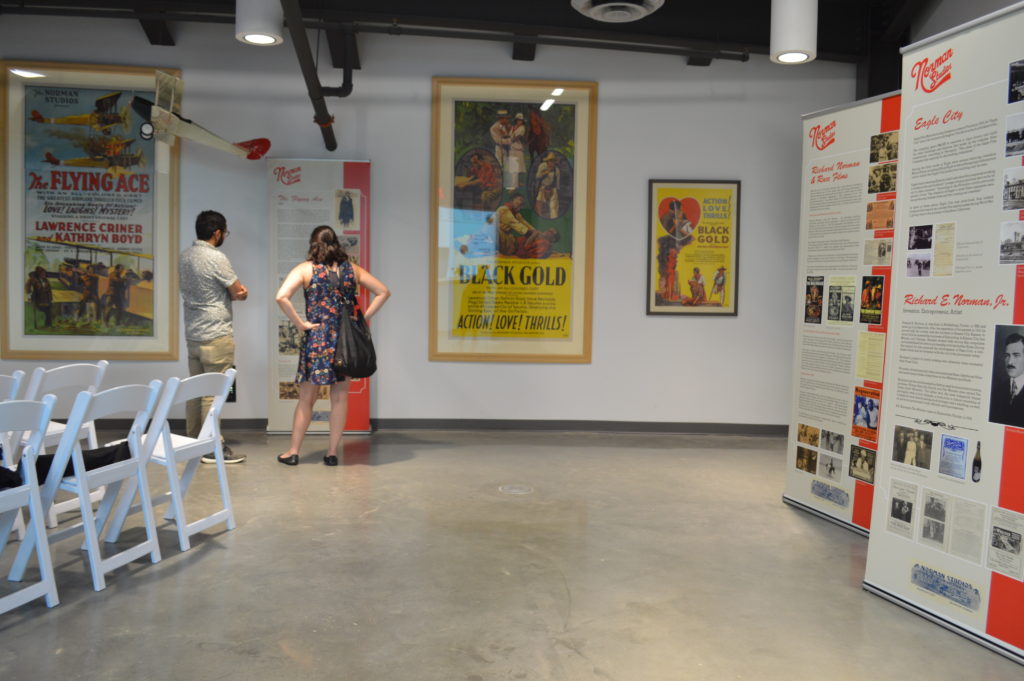
Visitors touring the Flying Ace Exhibit at the Cade Museum in Gainesville, FL
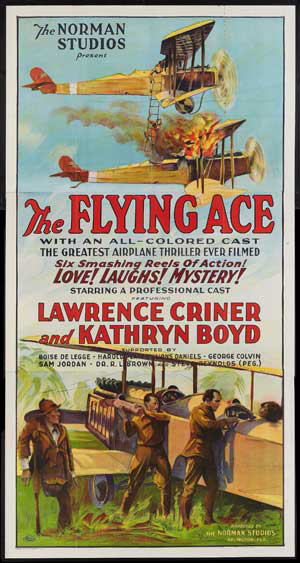
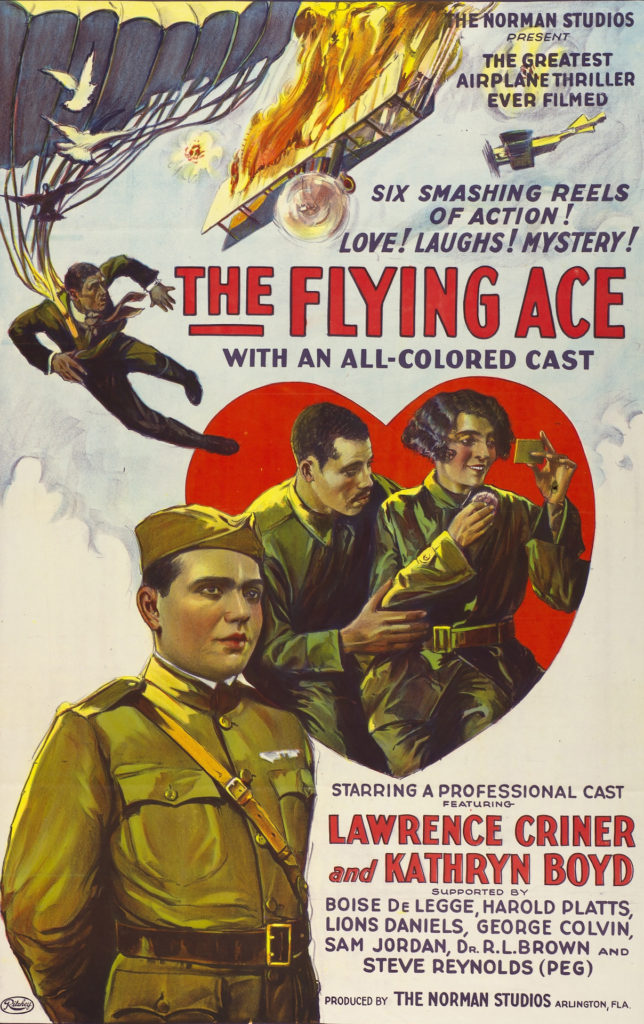
The exhibition highlighted the early days of silent films in Jacksonville, Florida, and in addition to The Flying Ace (1926) , the only Norman Studios film existing in its entirety, featured vintage movie posters and other vintage items.
Poster for the silent film, The Flying Ace
The exhibit dovetailed with the Cade’s museum-wide themes of aviation and optics, film & photography. The exhibit was the result of an exciting collaboration envisioned by Phoebe Cade Miles of the Cade Museum and Barbara Wingo of Norman Studios.
As Barbara Wingo, Norman Studios Board Member and Curator of the Exhibit, remarked: “The Norman Studios exhibit highlights the early motion picture industry in Jacksonville and Richard Norman’s career as a producer in the silent era. The Cade Museum is a particularly appropriate venue for this exhibit because Norman’s work epitomized creativity and invention as well as entrepreneurship, just as did the work of Dr. Robert Cade, the namesake for the museum.”
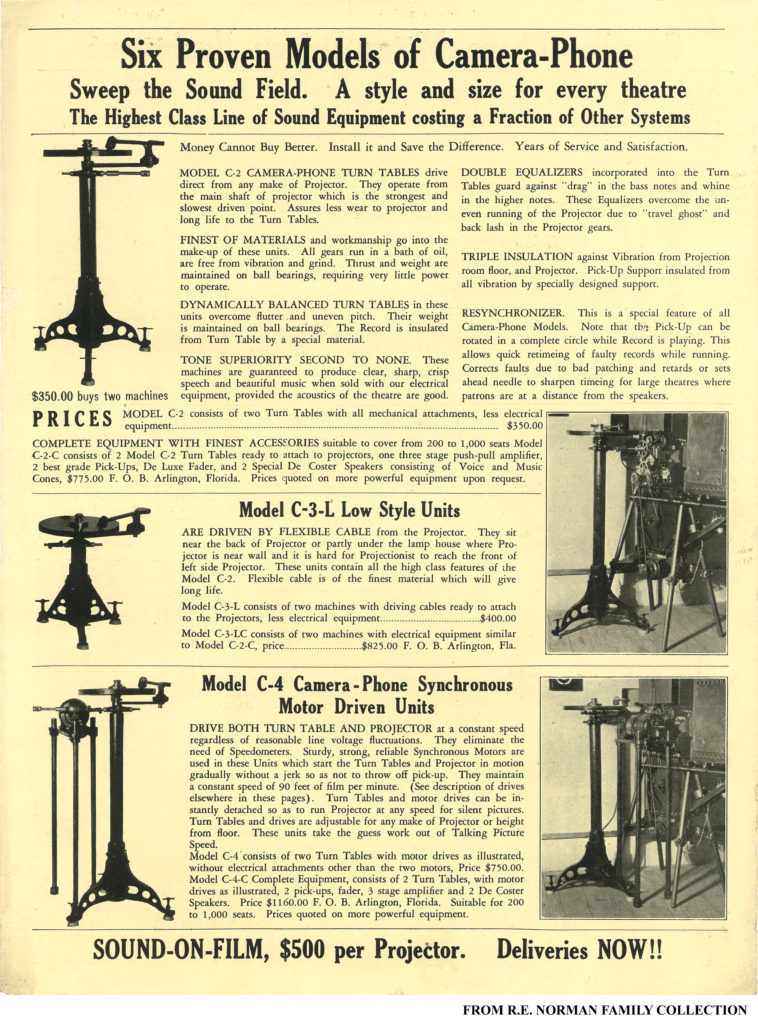
In addition to silent films, Richard Norman was also known for his early work on the camera-phone
In addition to producing, directing and writing “race films,” motion pictures that portrayed African Americans in non-stereotypical and aspirational ways, Norman was an inventor. Early in his career he developed “Passi-Cola,” and at the close of the silent era he invented the Camera-Phone to facilitate synchronization of film and sound.
On August 11 David Norman, a grandson of Richard Norman, participated in a “Meet the Inventor” conversation at the Cade Museum to explain his grandfather’s Camera-Phone. He also discussed his living at the Norman Studios property as a youngster, his grandfather’s legacy and his hopes for the future of the Studios.
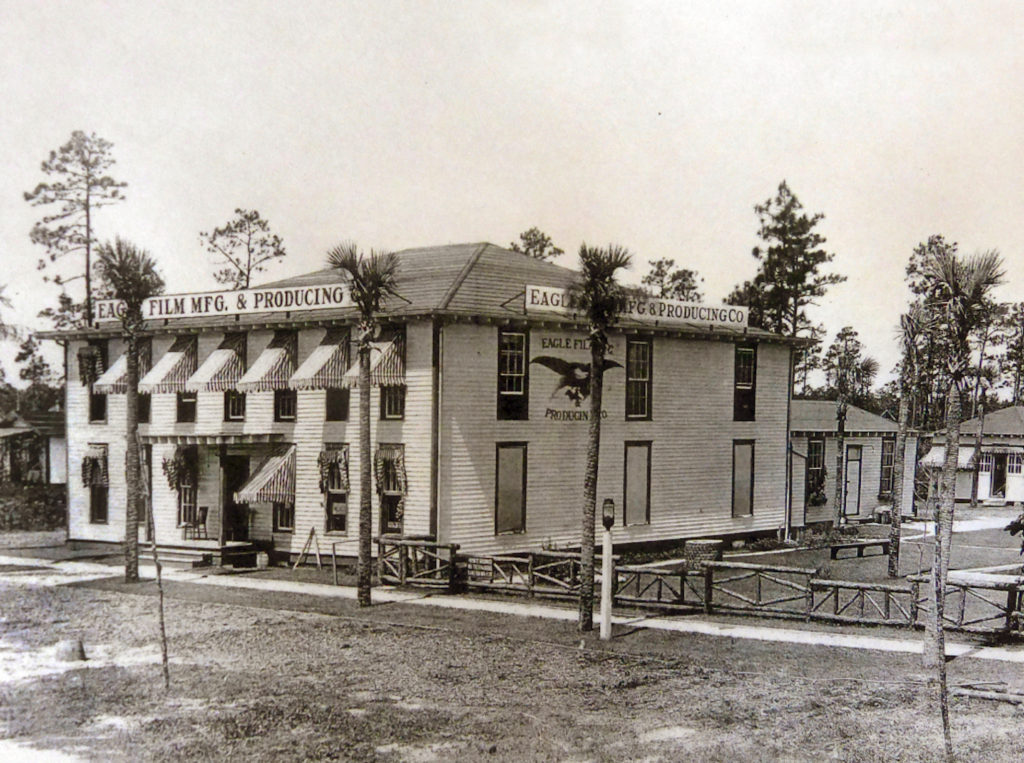
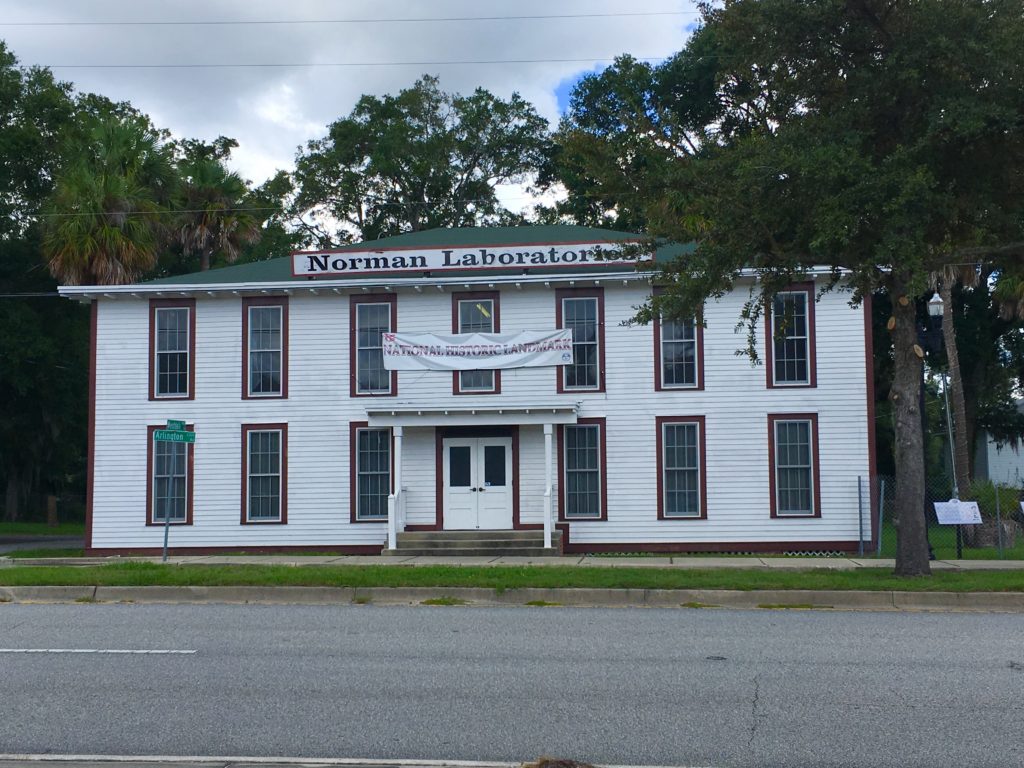
About Norman Studios: Founded in 1916 as Eagle Film City and purchased by Richard E. Norman in the 1920’s, Norman Studios was among the nation’s first to produce “race films” with African-American characters in positive, non—stereotypical roles. Norman’s five-building complex, now a National Historic Landmark, survives in Jacksonville’s Old Arlington neighborhood.
The original Eagle Film City building
The Norman Studios renovated main building
The mission of Norman Studios Silent Films Museum, Inc, a not-for-profit 501(c)(3) organization, is to preserve, present and promote the history of silent motion pictures in Northeast Florida and the history of race films through the reunification and restoration of the Norman Studios complex as a museum, education, film and community center. Learn more at normanstudios.org
Exhibit Curator Barbara Wingo gives a tour to David and Nancy Norman
From June 14 through August 18, 2019, the Norman Studios presented an exhibit entitled, Norman Studios Presents The Flying Ace, at the Cade Museum for Creativity & Invention in Gainesville, Florida. The exhibition was the result of an exciting collaboration envisioned by Phoebe Cade Miles of the Cade Museum and Barbara Wingo of Norman Studios.
The Cade Museum in Gainesville, FL
The exhibition highlighted the early days of silent films in Jacksonville, Florida, and in addition to The Flying Ace, the only Norman Studios film existing in its entirety, featured vintage movie posters and other vintage items. The exhibit dovetailed with the Cade’s museum-wide themes of aviation and optics, film & photography.
Norman Studios main building in Jacksonville
The Norman Studios complex was founded in 1916 as Eagle Film City during Jacksonville’s tenure as the “Winter Film Capital of the World” and was purchased by Richard E. Norman in the 1920s. Norman Studios was among the nation’s first to produce “race films” showing African-American characters in positive, non-stereotypical roles. Norman’s five-building complex, now a National Historic Landmark, survives in Jacksonville’s Old Arlington neighborhood.
Exhibit Curator Barbara Wingo walked through the exhibit with David and Nancy Norman. David is a grandson of Richard Norman whose portrayals of African Americans in his motion pictures, such as The Green-Eyed Monster, The Bull-dogger and The Flying Ace, challenged the racist stereotypes and mimicry of the time.
Poster for the silent film The Flying Ace
The mission of the Norman Studios Silent Film Museum, Inc., a 501(c)(3) organization, is to preserve, present and promote the history of silent motion pictures in Northeast Florida and the history of race films through the reunification and restoration of the Norman Studios complex as a museum, education, film and community center. Learn more at normanstudios.org.
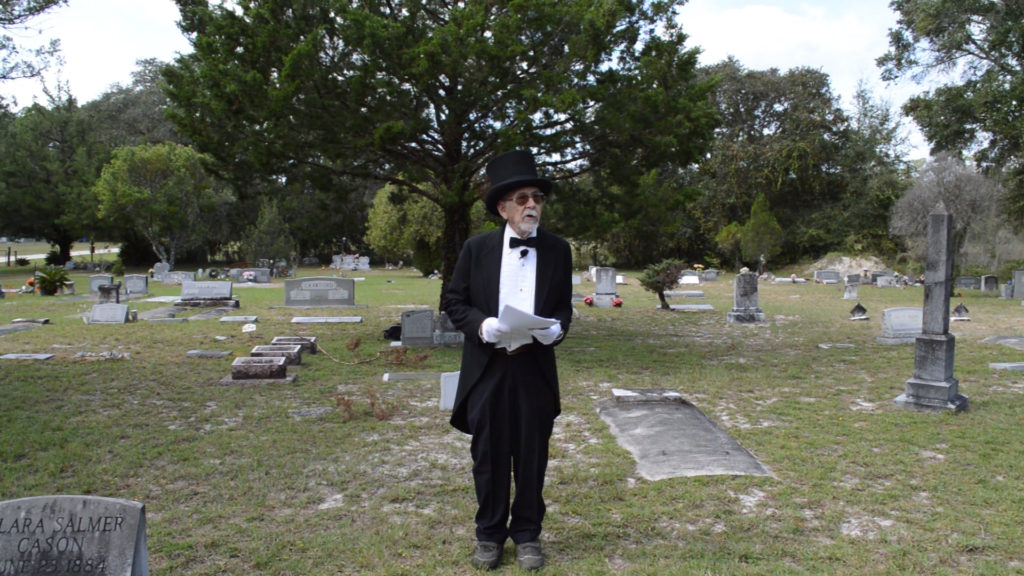
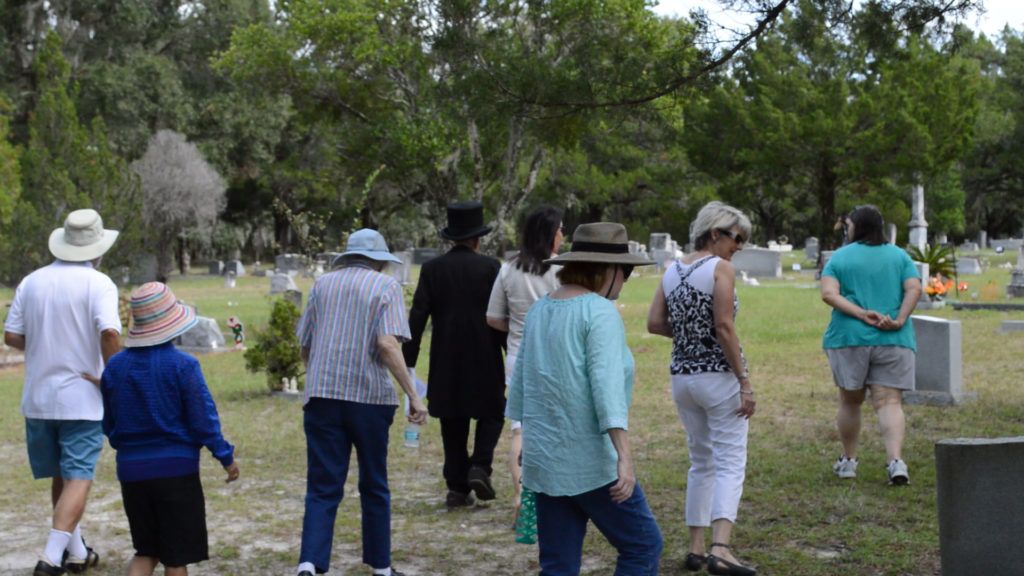
James Stephens who gives walking tours through the Antioch Cemetery near Island Grove, FL
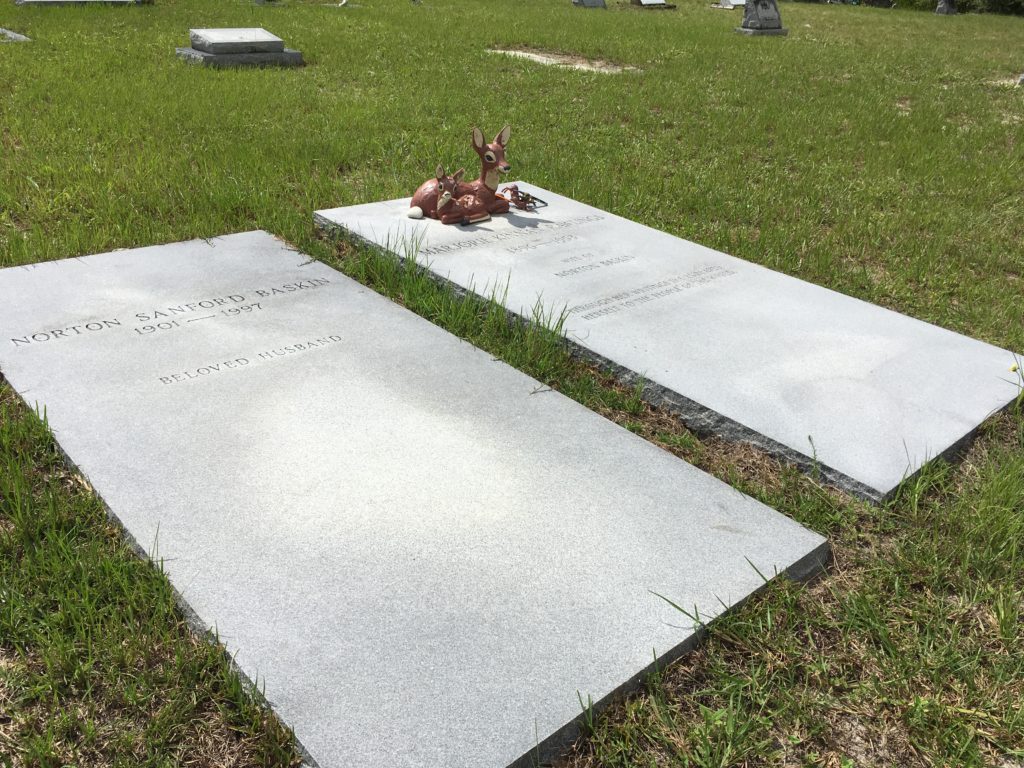
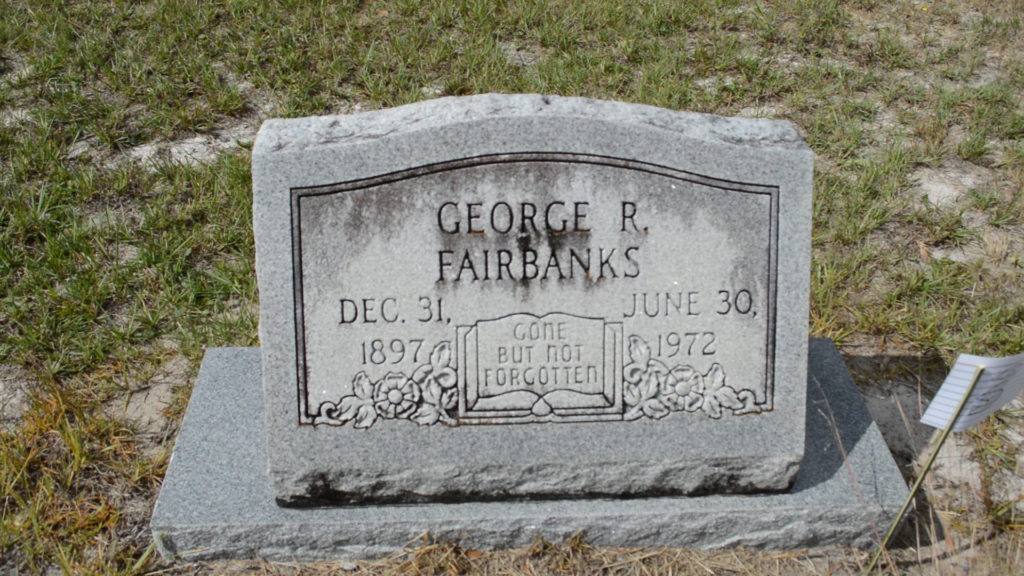
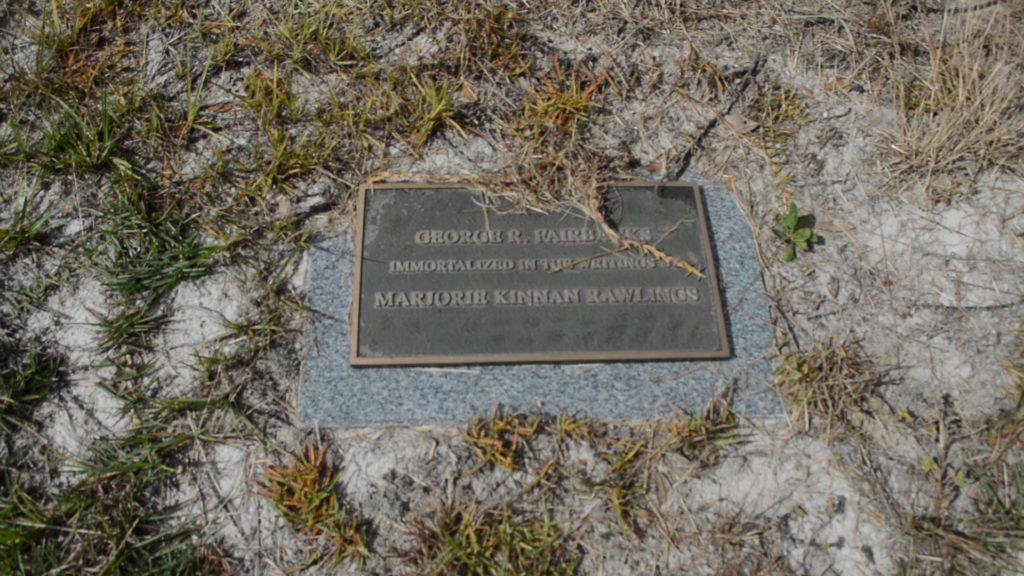
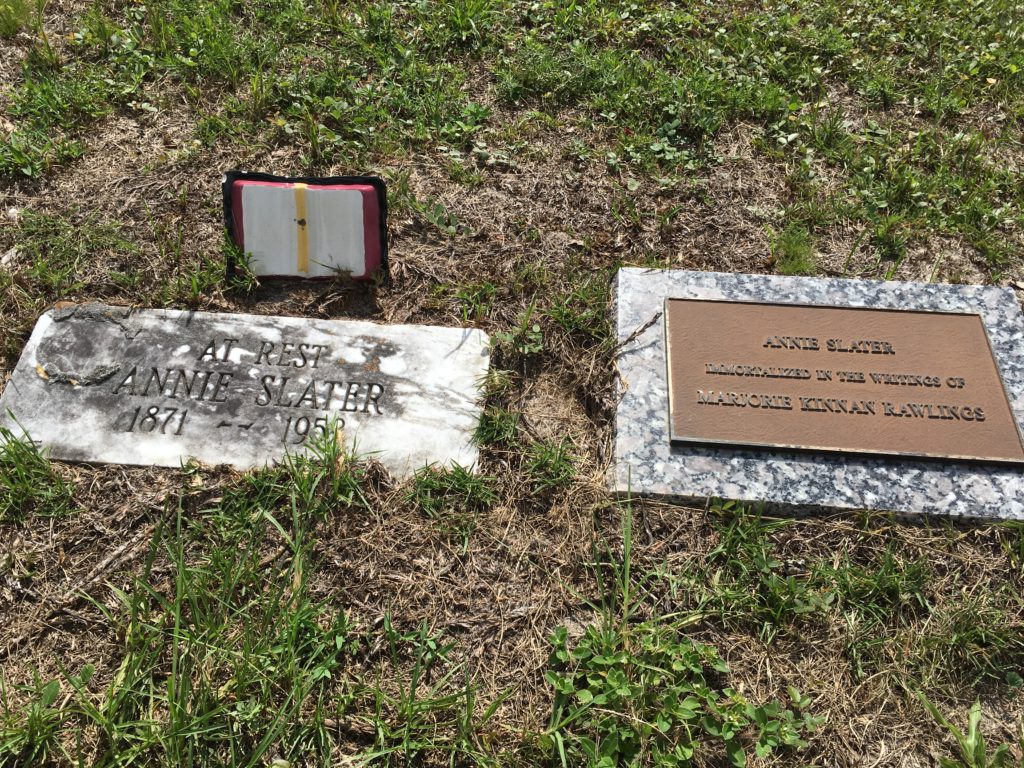
Many of the Cross Creek, Florida friends Marjorie Kinnan
Rawlings wrote about in her book “Cross Creek” are buried in the
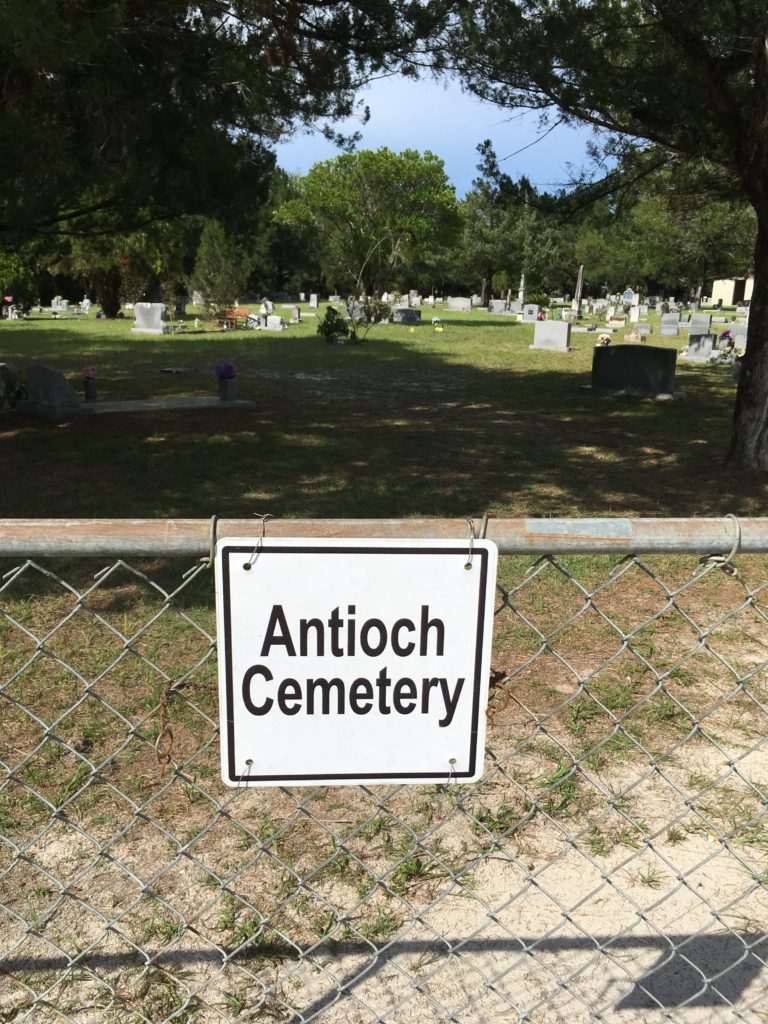
Antioch Cemetery near Island Grove, FL just east of Cross Creek. James M. Stephens has written what he thinks
many of those friends would say about themselves and their relationship with
the late Pulitzer-Prize-winning author.
Donna Green-Townsend, a board member of the MKR Friends of
the Farm, captured those narratives on video on a couple of James Stephens
walking tours of the Antioch Cemetery in 2018.
The walking tours were sponsored by the Friends of the Marjorie Kinnan
Rawlings Farm organization.
Note: When Jim makes reference to someone “coming here in…” he is referring to when the various folks ended up buried in the Antioch Cemetery.
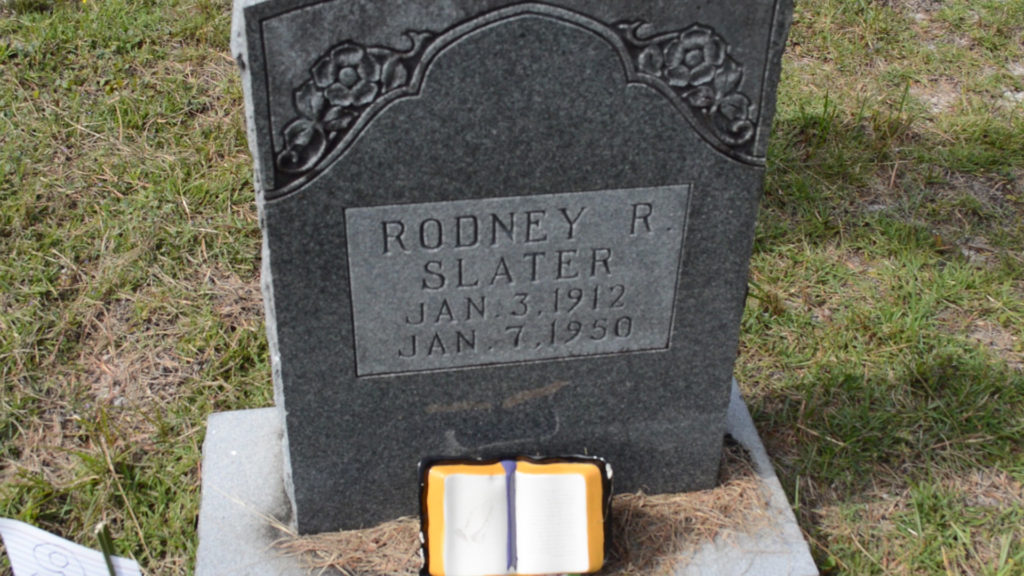
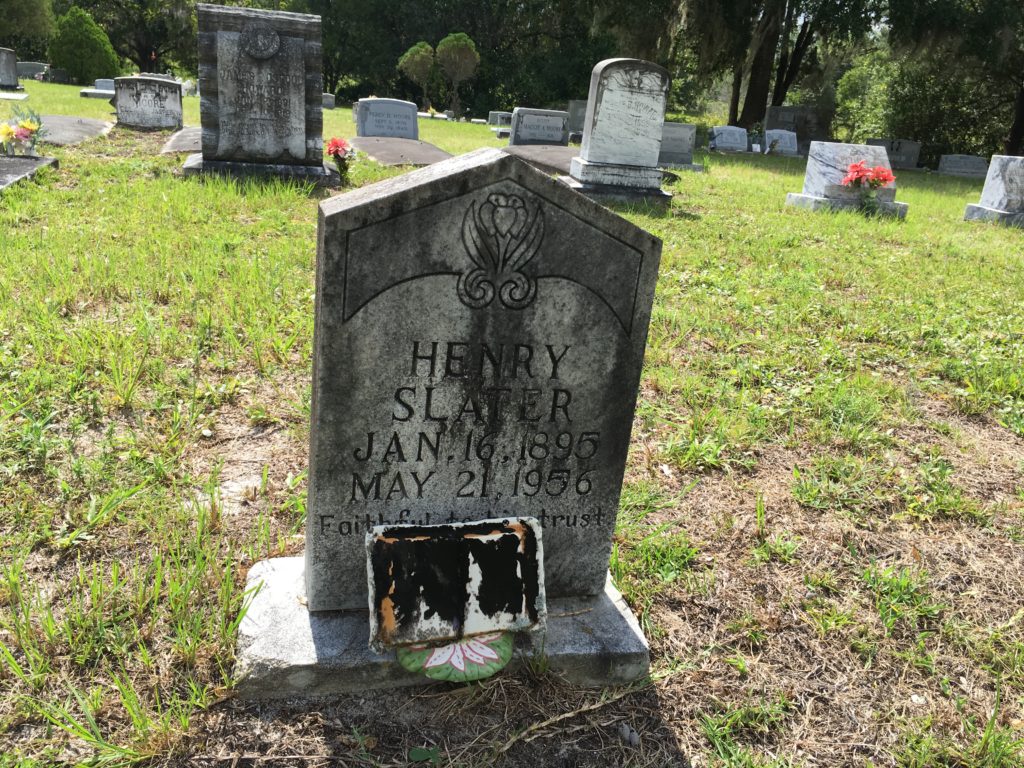
While there are several of MKR’s friends buried in the Antioch Cemetery, there are several (such as Dorsey, Floyd and Preston Townsend, Ella Mae Slater and Snow Slater) who are buried in the Townsend Cemetery near Grove Park, FL. As of this writing it is not widely known where Marsh Turner or Mr. Martin are buried.
A Florida wild animal exhibit is showcasing the animals made popular in the literary works of Marjorie Kinnan Rawlings.
The colorful taxidermy-mount exhibit features most of the species of wild animals found throughout Florida. Many of these, particularly the bear and deer, were made famous by Rawlings in her many books like The Yearling (Pulitzer Prize 1939), and Cross Creek (1942). Some 40 animal mounts, called “Fodderwing’s Creeturs,” belonging to Cross Creek naturalist, Jim Stephens, are displayed against a spectacular mural setting painted by St. Augustine artist, Gayle Prevatt.
Short video above features photos of the animal exhibit
Yearling Restaurant owner Robert Blauer is inviting the public to come and see this new attraction while also enjoying the old-time dining favorites such as gator-tail, catfish and grits, seafood, and sour orange pie, which have made the short drive from Gainesville a memorable dining adventure.
Contact Information:
Mural Artist: Gayle Prevatt, 904-377-7917, gprevatt@aug.com Animal Exhibit: Jim Stephens 352-466-3034, sloughfootcreek@aol.com Yearling Restaurant owner: Robert Blauer, 352-466-3999
In May of 2018, Jessie (Townsend) Armstrong, Lee Townsend, Andy Garfield and David McBrady entertained hundreds of people who turned out for the Island Grove/Cross Creek Blueberry Festival. Proceeds from the festival go towards the local volunteer fire departments which serve the rural communities of Island Grove and Cross Creek. Below are just three of the songs the band performed that day. (To book Jessie and Lee and the band send an email to dgtmultimedia@gmail.com or call 352-672-7550)
The band performing Kentucky Borderline, the song written by bluegrass icon Rhonda Vincent and Terry Herd
Jessie, Lee, Andy and David performing Bury Me Beneath the Willows at the 2018 Blueberry Festival
Jessie, Lee, David and Andy performing Gentle On My Mind, written by the late John Hartford
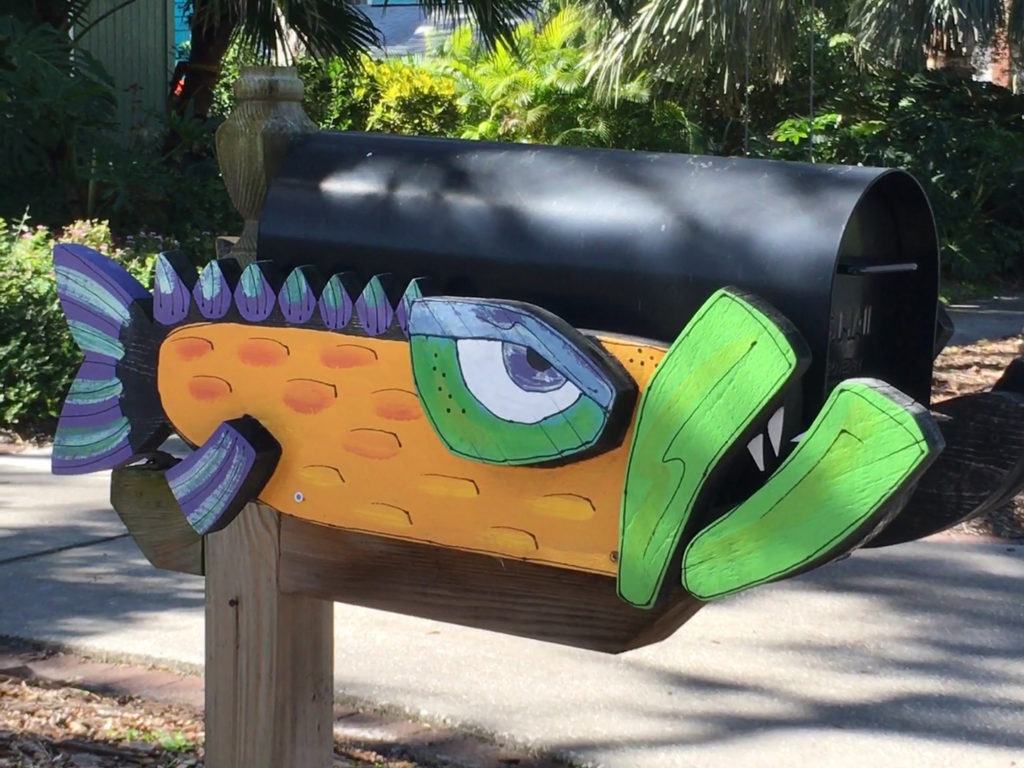
Just one example of a unique mailbox in Dunedin, FL
In the quaint, coastal community of Dunedin, FL we found a fun, artistic way to display mailboxes. We discovered these while visiting Harriett Meyer’s old hometown.
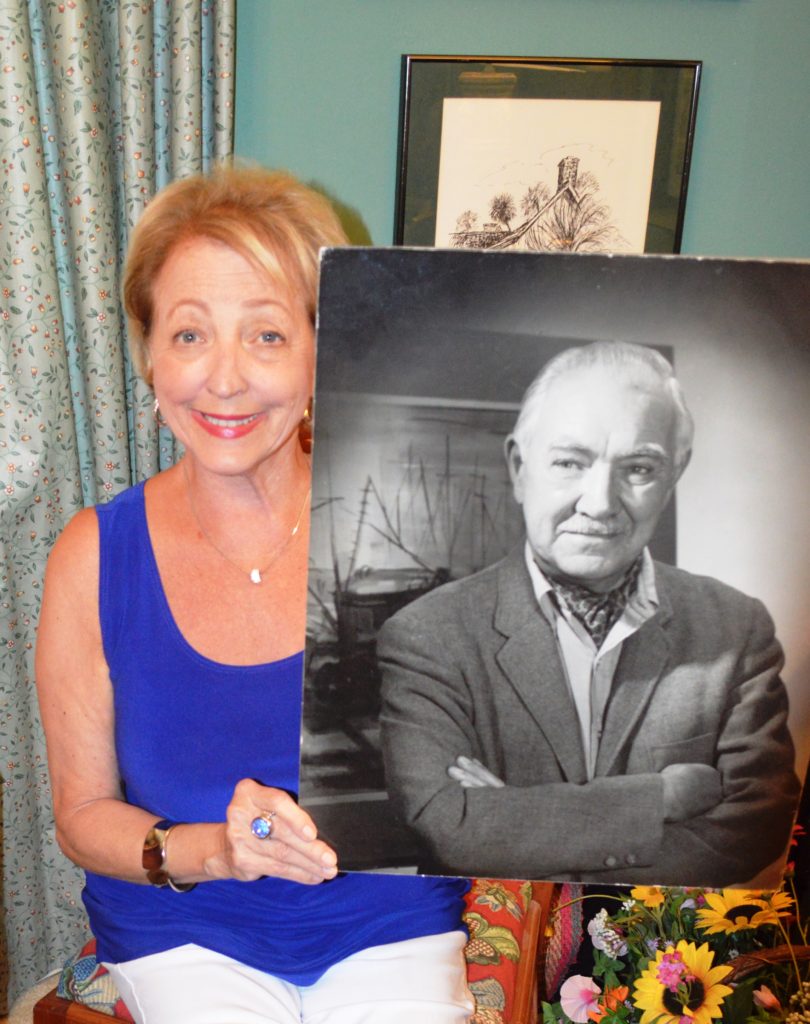
Elaine Carson Spencer proudly holds a portrait of her father Robert E. Carson (Contact: Elainecspencer@gmail.com)
Robert E. Carson was a professor of Humanities at the University of Florida from 1946-1971. In his youth, he worked as a professional musician playing the saxophone and clarinet in dance orchestras, theaters, hotels and for a brief time, vaudeville.
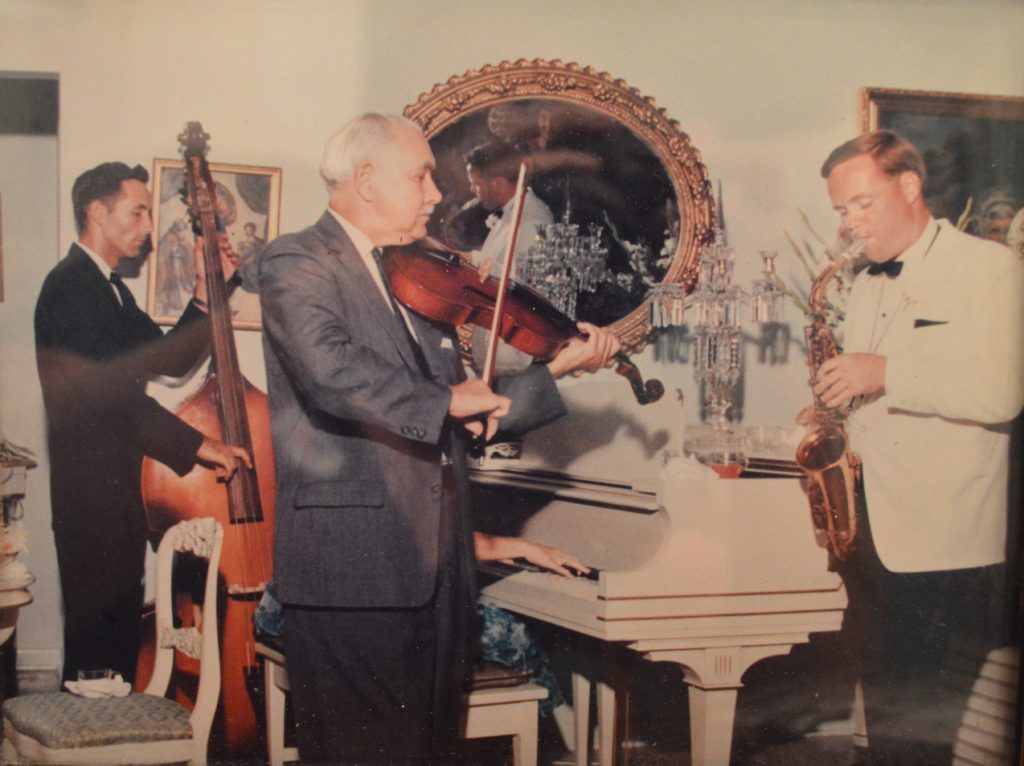
Robert Carson performing at one of many venues around the community
His first love was the violin which he started playing at the age of 4. Several years later he switched to the viola which he played in the Symphony Orchestra at the University of Florida for 25 years. He often performed at university events, receptions, weddings and other venues in the Gainesville community.
Professor Carson, or “Doc” as many called him, was a self-taught artist who began in watercolors at the age of 35. His works can be found in galleries as well as in other public locations and in private collections.
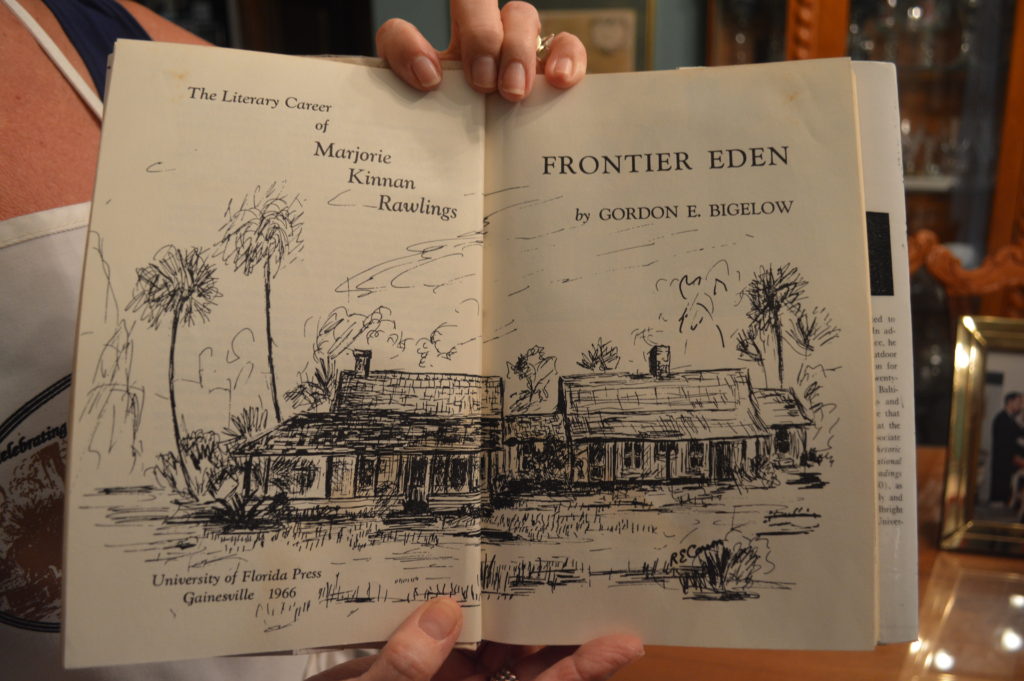
Carson sketch inside the Frontier Eden book
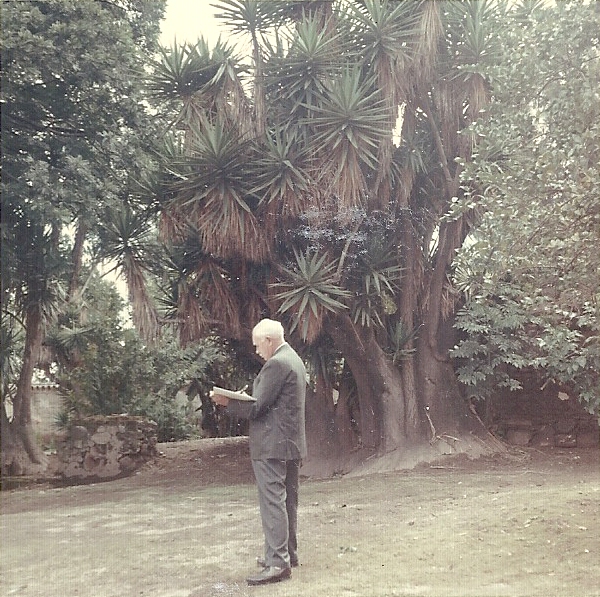
Carson sketching outside
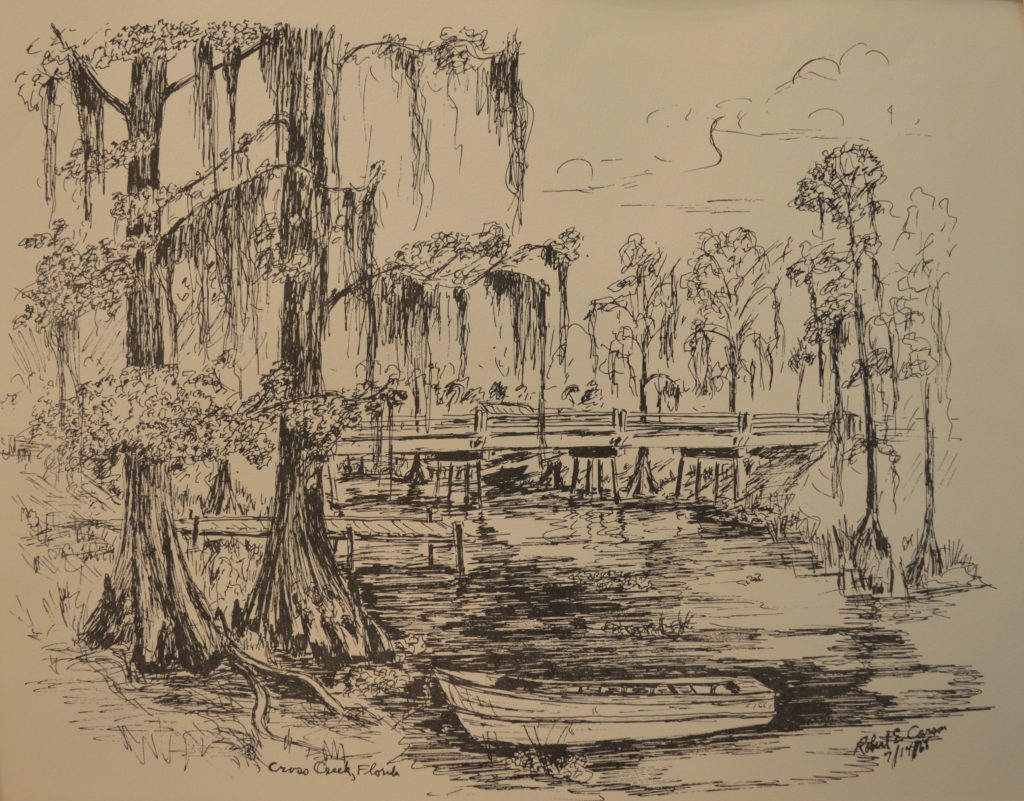
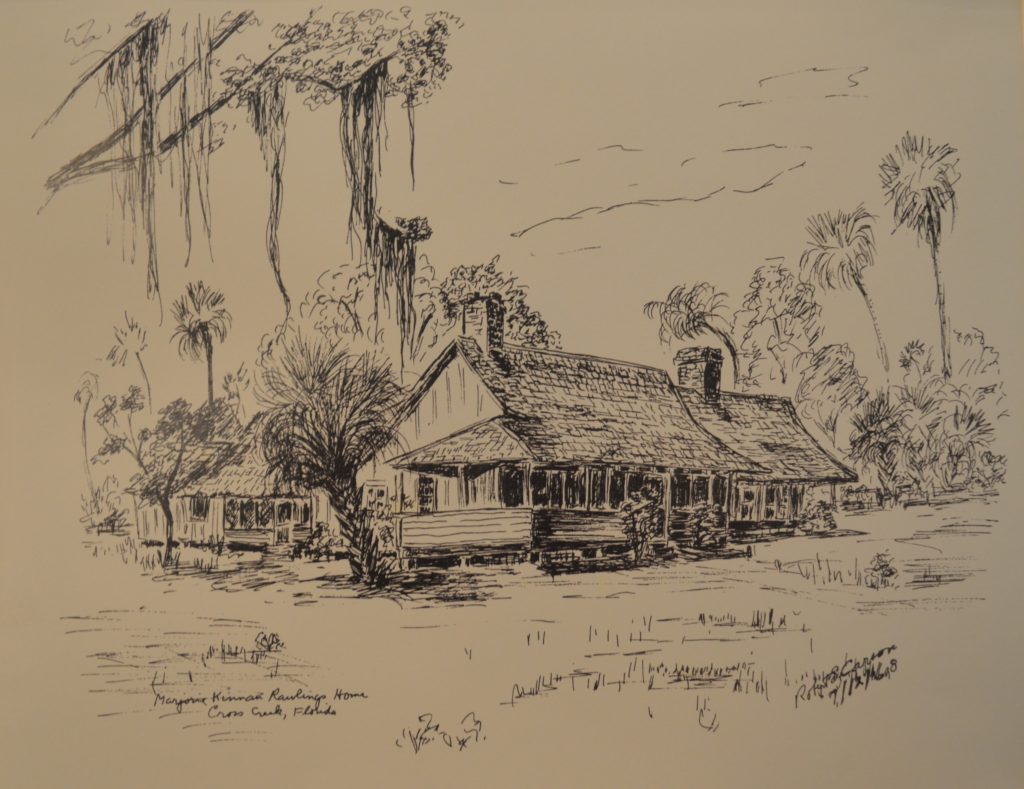
In 1966 author Gordon E. Bigelow asked Carson to provide sketches for his book, Frontier Eden, The Literary Career of Marjorie Kinnan Rawlings.
Following the publication of Bigelow’s book, the University of Florida asked Carson if he would be willing to provide tours of the late Marjorie Kinnan Rawlings home in Cross Creek.
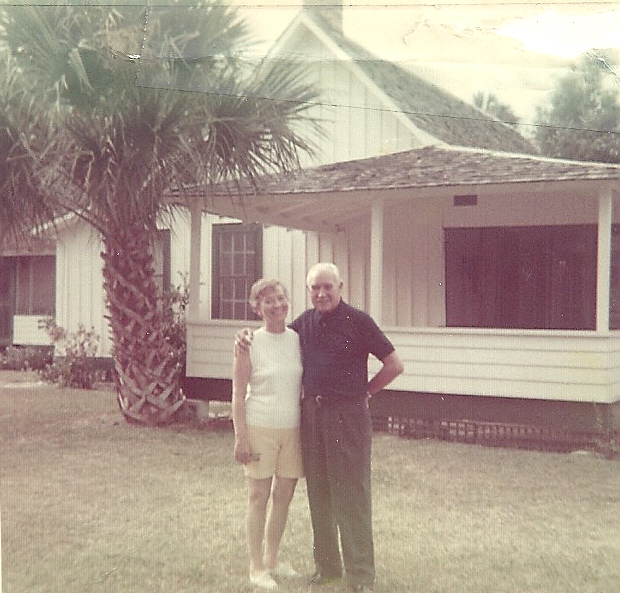
Estelle and Robert Carson by MKR home in 1968
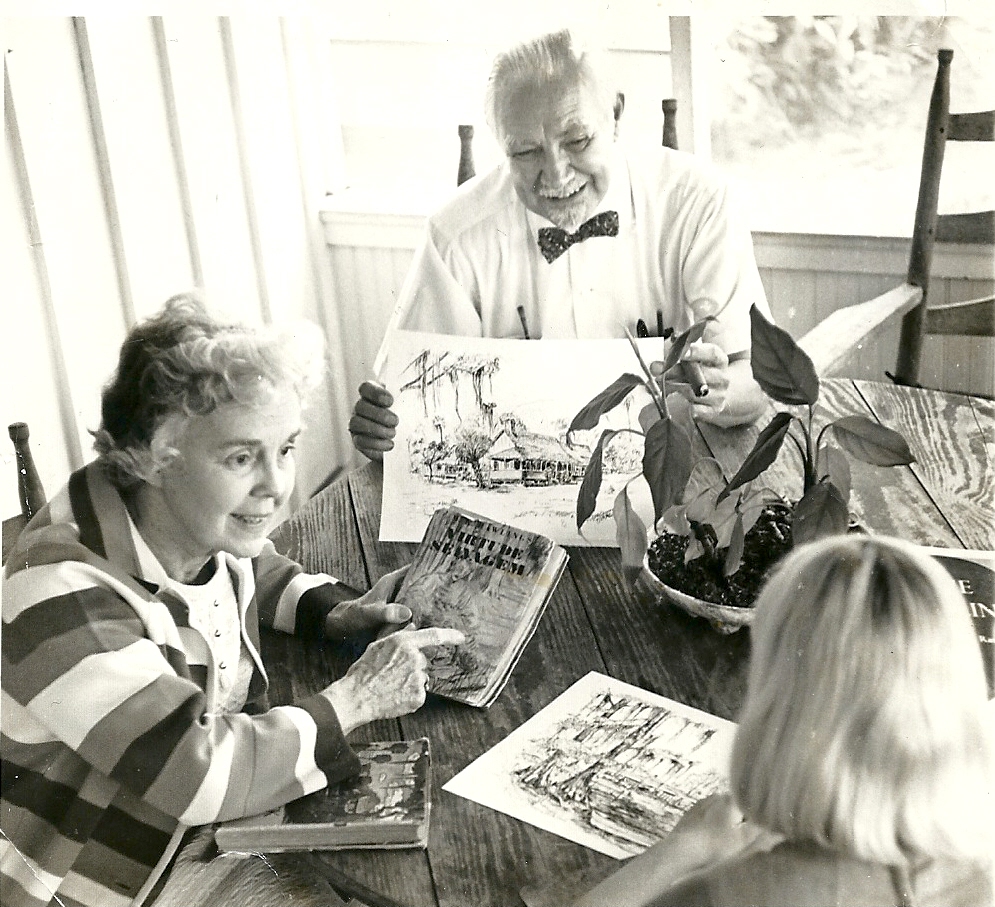
Carson sharing some of his sketches while sitting on the porch of the MKR home
From 1968 to 1970 Carson and his wife Estelle stayed at the historic MKR home on weekends and served as the first hosts. Sadly, he died following a car accident leaving Cross Creek in 1971.
Learn more about those exciting years giving tours at the late Pulitzer Prize-Winning Author’s home by watching the video below produced by Donna Green-Townsend and Carson’s daughter, Elaine Carson Spencer.
Winner of the 2019 Will McLean Song Contest Bob Patterson
Bob Patterson’s winning song “Silver Springs”
Bob Patterson from St. Augustine is the 2019 winner of the Will McLean Best New Florida Song Contest for, “Silver Springs.” The song has a musical message about the current plight of not only one of the largest artesian springs in the world, but one of the most beautiful springs in Florida located in Marion County. Patterson recalls the day he first saw the spring.
It was in the early 70s when Gamble Rogers showed up at his house in St. Augustine in his old Mustang pulling a boat. Will McLean was with him. The three headed to Gore’s Landing north of Ocala, launched the boat into the Ocklawaha River and headed down to the Silver River and into the headspring.
At the time said Patterson, “It was producing 99.8% pure artesian spring water. Now it’s polluted and it’s getting worse and worse. So there was a sense of urgency about writing that song.”
Patterson didn’t start out writing environmental songs. He recalls a night around 1969 when Will McLean stayed at his house. During a late night music session Patterson sang one of his songs for Will.
“They were kind of those “Baby, Oh Baby” kind of songs,” recalled Patterson. “Will, who was always so ingratiating, would say, “Aww, that’s just wonderful. That’s beautiful Bob. Why don’t you write songs like that about Florida.”
McLean would be proud of Patterson’s songs today. In 2005 he placed in the top three of the Will McLean Best New Florida Song Contest with a song called, “Lullabye of the Rivers.” It’s become somewhat of an anthem around the state. More importantly, it’s been used by educators to teach students about the natural history, geography, ecology and the state of health of Florida’s Rivers.
“The idea is if we don’t teach the kids about the environment, we can’t expect them to grow up wanting to protect it,” said Patterson. He hopes to obtain funding to create a DVD that could be used in schools to teach more educators how to utilize music in their science and history classes.
Patterson, along with the second and third place finishers of the song contest will be featured at the 2019 Will McLean Festival March 8th thru the 10th at the Sertoma Youth Ranch near Brooksville. This year he also tied for fourth place with his song, “Me and Margaret,” a song referring to the longtime Matriarch of the Florida folk scene, the late Margaret Longhill. Longhill died in 2018, just a few days before the 29th Will McLean Festival, the festival she started thirty years ago.
As one of the original founders of the Gamble Rogers Folk Festival, Patterson has functioned as the event’s Artistic Director for 24 years. In 2011 the Stetson Kennedy Foundation awarded him the ‘Fellow Man and Mother Earth Award’ for his work in actively keeping folk culture alive in Florida.
Patterson was a 2011 first place winner in the North Florida Folk Network song writing contest in the category of Best Florida Song. In 2014 he was awarded a Lifetime Achievement Award from the Florida Storytelling Association.
He has been a featured performer at the annual Florida Folk Festival at White Springs for more than 45 years and was recently inducted into the St Augustine Music Hall of Fame. In addition to critically acclaimed CDs Patterson has authored two books, Forgotten Tales of Florida, and, Dorothy. Both books are loaded with Florida folk lore and history and have become very popular in the folk community and beyond.
2nd place finisher Paul Smithson
Paul Smithson’s 2nd place song “Ninety-One Days”
Paul Smithson, is the 2nd place finisher in the 2019 contest for his song, “Ninety-One Days” about the late former Governor Lawton Chiles and the way he was known for walking across the state of Florida as he campaigned for office.
Smithson spent his early years in New York. He relocated in his early teens and considers Florida his home. He has lived most of his life (aside from a 10 year hiatus in California) in Lake County, Florida. Smithson, who lives in Eustis, Florida says his first memories of the Sunshine State were the citrus groves that used to dominate the landscape. He watched these groves freeze out in the 80s, to be replaced by strip malls and subdivisions.
At 56, Smithson says he has witnessed the state he fell in love with evolve into something other than what it was, but he also knows that Florida is persistent. There remains the swamps, prairies, and pined forests of Ocala, the Canaveral Seashore, and the numerous lakes of central Florida, to name only a few of his favorite haunts.
He has taught literature and composition since 1998, beginning at the University of Central Florida, sojourning through California, and ending up back in central Florida. He currently teaches AP Literature and AP U.S. History at his Alma Mater: Eustis High School (class of 1980).
Smithson says his musical/songwriting influences include Kris Kristofferson, Guy Clark, Billy Joe Shaver, and Steve Earle. His interest in Florida history began with Gilbert King’s The Devil in the Grove, a book documenting the story of political corruption and racial injustice in 1940s-1950s Lake County. Smithson says he was so moved and inspired by the book that he composed, recorded, and released a CD by the same title. The CD contains songs that provide both a narrative and a variety of points of view of the major and minor players.
Smithson’s song, “The Last Train Out of Fernandina,” tied for fourth place in this year’s contest. He currently performs with John French as Smithson & French. This duo focuses on songwriting, harmonizing, and generally simply having a good time doing it.
3rd place finisher Razz Taylor
Razz Taylor’s 3rd place song “Arcadia Cowboy”
Razz Taylor is a singer-songwriter and performing independent recording artist living in Arcadia in south Florida. He was raised along the shores of Lake Okeechobee in South Florida and began singing for friends and family when he was just six years old.
Taylor’s 3rd place song, “Arcadia Cowboy” is about living in a small town in Florida and not wanting to be tied down.
His song, “Okeechobee,” which placed sixth in this year’s contest, is an autobiography about growing up hunting and fishing on the big water of Lake Okeechobee and the yearning of wanting to return to those childhood days.
Taylor says he is deeply influenced by traditional country music with a twist of the Oklahoma and Texas sound of red dirt country music. You can find his music on cdbaby, iTunes, Spotify, Apple Music and You Tube. You can find him on Facebook at RazzTaylor and the Mystic River band.