All posts by Donna Green-Townsend

Danny Wuerffel on Rex Grossman

(originally aired on WUFT in December of 2001)

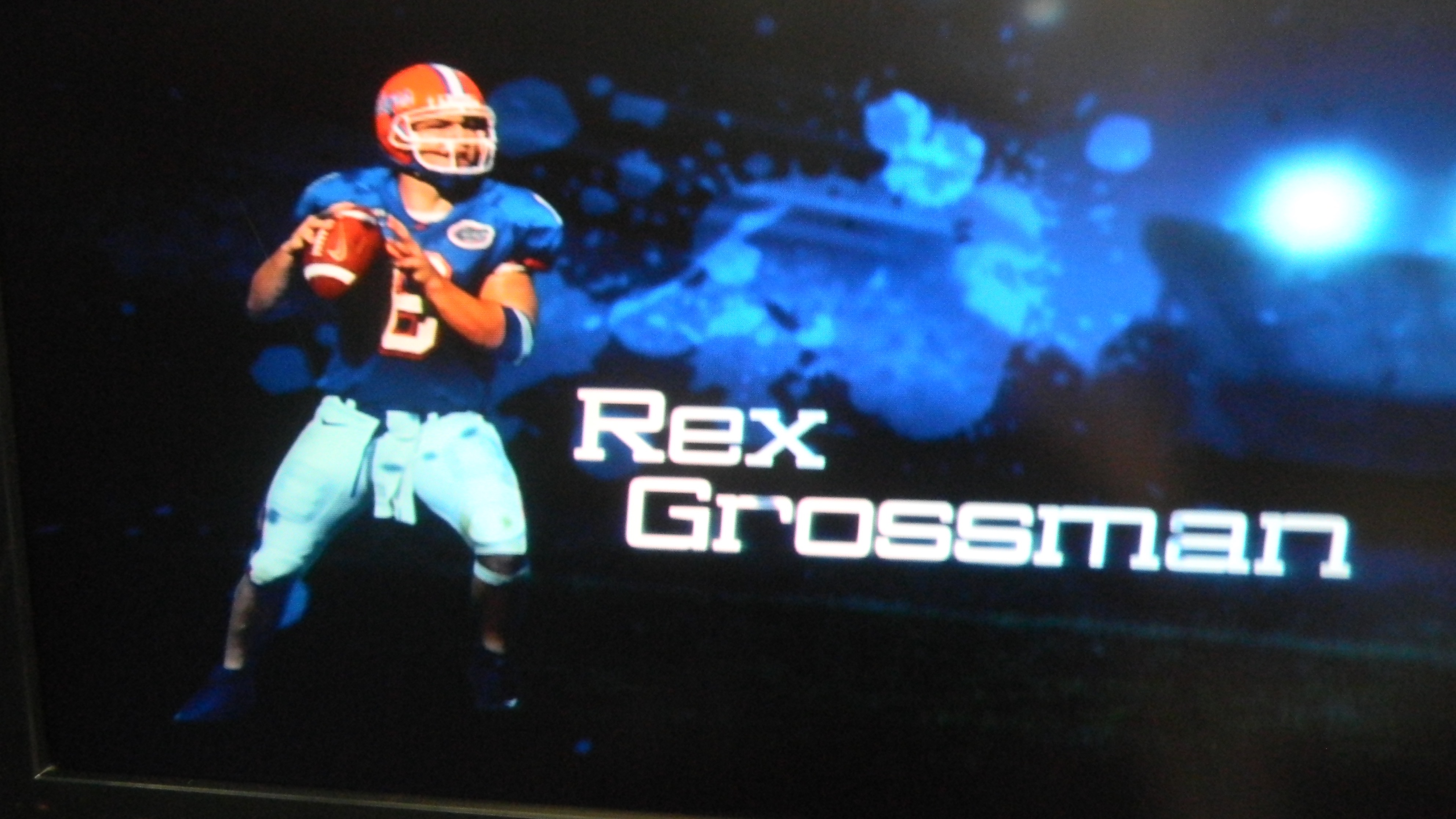
Rex GrossmanSome may say Rex Grossman was robbed of the Heisman Trophy in 2001.  The University of Florida Sophomore quarterback lost to Nebraska senior Eric Crouch by 62 points.  It was one of the smallest margins in the history of the Heisman Trophy.  In the 2001 season Grossman completed 65.6 percent of his passes for a total of 3,896 yards.  He had 34 touchdowns.  Some sportswriters remarked that maybe he didn’t win because he was a sophomore.  Donna Green-Townsend talked with former Heisman winning quarterback, Danny Wuerffel, about his thoughts on Grossman not winning the coveted trophy.

Rex Grossman 2


Mother’s Day Memories

Originally aired on WUFT on May 11th, 2001

If there’s one day of the year everyone tries hard to make special, it’s Mother’s Day.  Donna Green-Townsend and Alexa (Woell) Elliott talked to elementary students and their parents at P.K. Yonge Developmental Research School at the University of Florida to hear special memories about good ‘ole mom.


2001 Will McLean Song Contest Winner and Finishers

Here are the 2001 winner, 2nd, and 3rd place finishers of the Will McLean Best New Florida Song Contest

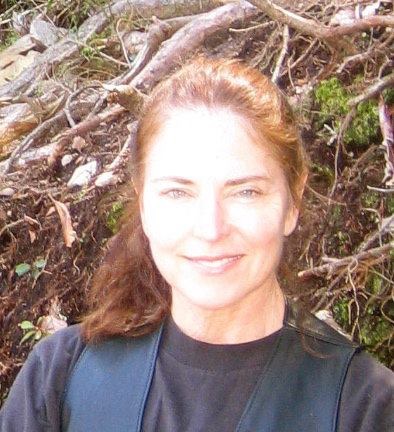
Robbin Bach
1st place winner Robbin Bach

Winner Robbin Bach “Ichetucknee Blues”

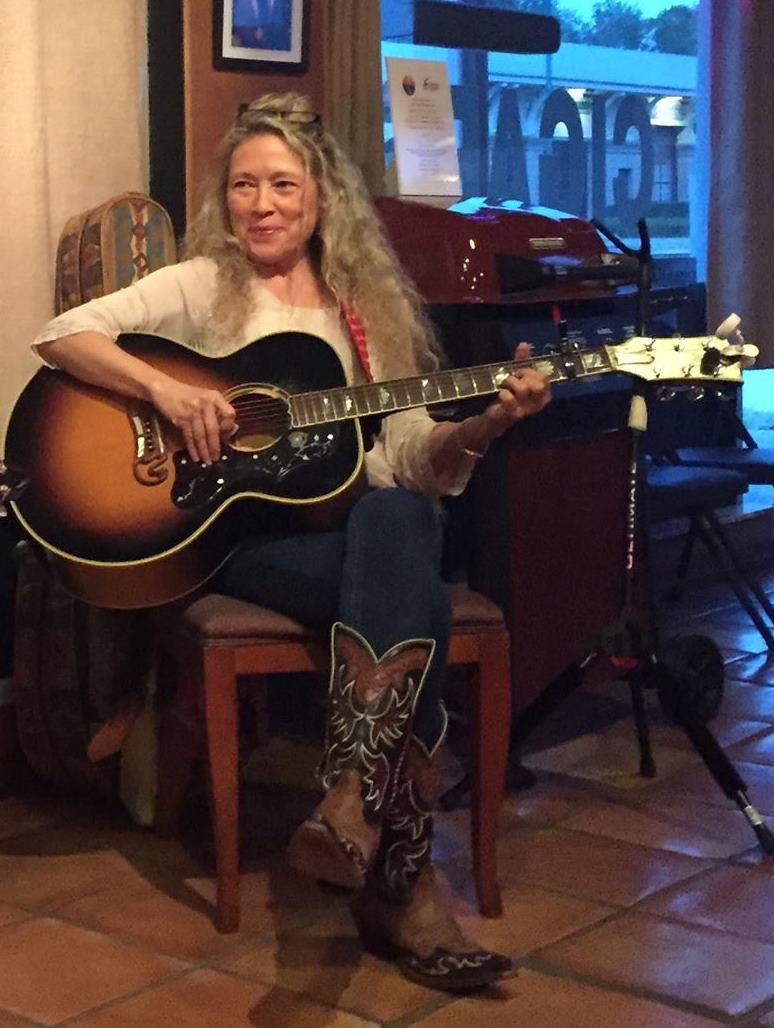
Marie Nofsinger
2nd place Marie Nofsinger

2nd place Marie Nofsinger “Sweet Home Florida”

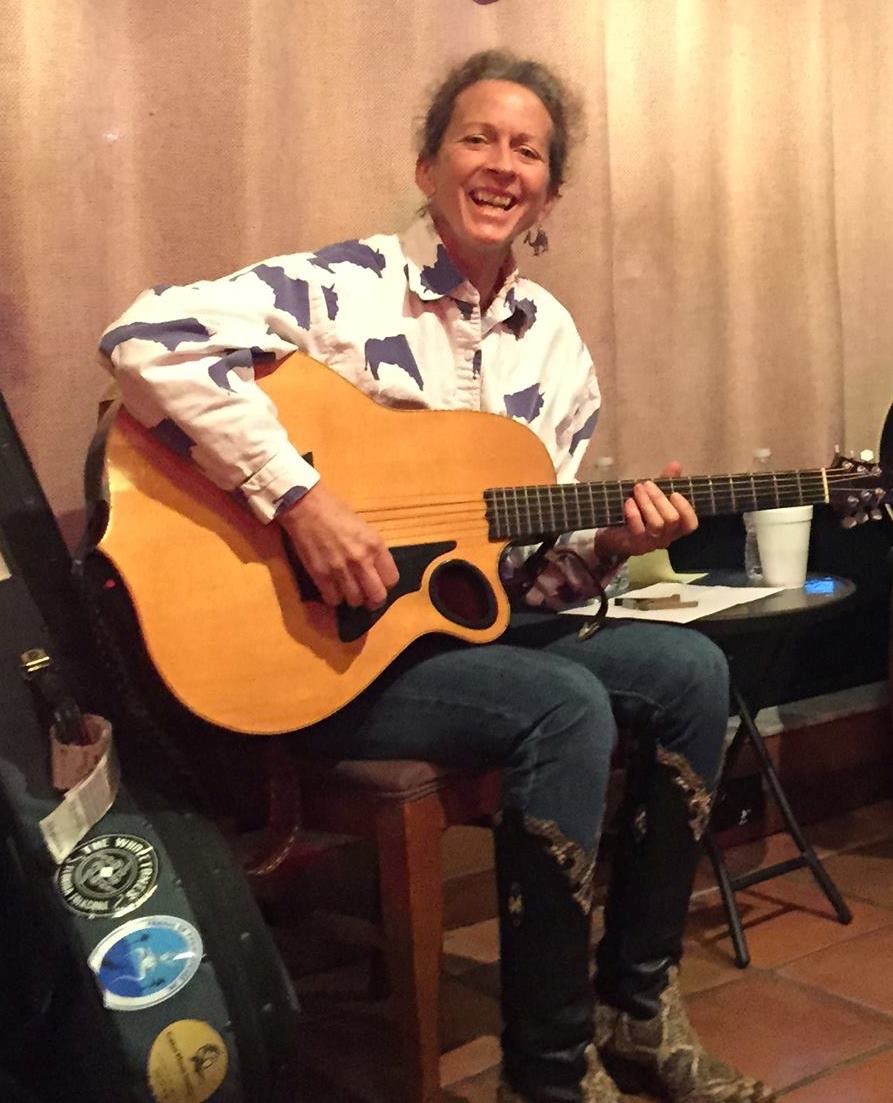
Lucinda
3rd place Lucinda Kidd Hackney

3rd place Lucinda Kidd Hackney “Gator In The Slough”

Back to the list of winners by year
or
Click here to go to the Will McLean Festival website

Forever Plaid

Forever Plaid

forever_plaid_titleForever Plaid begins when four young, eager male singers are killed in a car crash on the way to their first big concert. Miraculously though, the boys are revived (as angels, of course) for the chance to fulfill their dream and relive the concert they never saw. Singing along with the piano and bass, the “Plaids” perform some of the 1950s biggest hits including, Chain Gang, Heart And Soul, Love Is A Many Splendored Thing, Magic Moments and many other classic tunes.

Uncovering Florida’s Past In The Aucilla River

Originally aired on WUFT on April 18, 2000 

Dr. S. David Webb tusk
Curator Emeritus David Webb at the Florida Museum of Natural History in Gainesville (photo courtesy of the Florida Museum of Natural History)

Scientists around the world are taking note of recent discoveries in a North Florida river, discoveries which could change history books.  As Donna Green-Townsend reports, paleontologists and archaeologists like David Webb, with the Florida Museum of Natural History are busy analyzing and arranging exhibits from their findings in the Aucilla River in Florida’s panhandle.


2000 Will McLean Song Contest Winner and Finishers

Here are the 2000 winner, 2nd, and 3rd place finishers of the Will McLean Best New Florida Song Contest

Okefenokee Joe
1st place winner Okefenokee Joe

Winner Okefenokee Joe “That’s How A Gator Has Fun”

Here’s Okefenokee Joe (Dick Flood) in one of his latest recordings on You Tube.

Al Scortino
2nd place Al Scortino

2nd place Al Scortino “The Joe Motel”

Gregg_Jones
3rd place Gregg Jones

3rd place Gregg Jones “Part of the Peninsula”

Back to the list of winners by year
or
Click here to go to the Will McLean Festival website

Interview transcript with Lindsey Thomas

Interview with Lindsey Thomas

Federal Commissioner of the ACT – ACF River Basin

Commission (speaking with reporter Joshua Azriel)

Thomas – There was some concern by Alabama about the way the water in the reservoirs here in the state were being divided up. There was some interbasin transfers of water and some reallocation of waters in reservoirs and that led Alabama to bring a suit against Georgia. Keep in mind that the waters of both of these river basins rise in the state of Georgia. In the case of the ACF it flows down the river between of course Georgia, Florida, Georgia and Alabama and then into Florida into Lake Seminole, the Flint, the confluence of the Flint and Chattahoochee form Seminole and then it flows into the Apalachicola River. In the case of the ACT – the Alabama, Coosatalapoosa those waters rise in Georgia and flow into Alabama. But anyhow those suits were brought that led to a number of years of um of real disagreements, a lot of animosity about things and uh that ticked on for a while and so the decision was made to try to do something about it. And so legislation was passed, they began a comprehensive study during that time and there was legislation passed at the federal and state level that set up these compacts without an allocation formula. In other words, the compacts were set up so that the three states in the case of the ACF and two states in the case of the ACT could come together to try to solve and settle their differences and to agree to share information and to wisely manage and steward the waters in these rivers, that’s what the hope was. First major compact east of the Mississippi and so the negotiations began then uh year before, last year, last year was when they really began. The compacts call for the negotiators to be the governors of the three states or their designees, of course they designate people, the governors don’t go to all the meetings and their negotiators go negotiate for them, and they have technical people to back them up and so forth. On the federal side to represent the federal interest, they appointed a federal commissioner, you have listed on those lists you have the three governors then you have the federal commissioner.

Now the way that came about was I assume that in Washington where they were talking about it because I was not familiar with it my name was put in the ring by some people that knew me from Interior and knew that my interest in wetlands and my prior experience and interest in natural resource issues when I was in the Congress and so one day I simply got a call and it was from a person who had been in the White House and said and was hooked up at the White House and said your name’s been put in the hat for this.

Azriel – Do you know who that person was?

Thomas – Yeah, I don’t think that is important. It was just a person who at one time had been at the White House staff and was back here in Georgia and said your name’s been put back in the ring and are you interested and I said yes. So that began the process. The president, it was his nomination, there was no real fight about that any of the time. I think where my name rose was over in Interior from some folks I worked with when I was over there.

They saw this and knew it was in my neck of the woods and knew what I was doing which was head of the Georgia Chamber of Commerce that’s my official job, state wide business group of business people here who comprise the Georgia chamber. I told them clearly what I did when I was first contacted by the White House by a lady named Marie Teris Dominguez who contacted me first in the White House to get the ball rolling. Told her what I did and so forth and she said we’d still like you in it. So I said send me this description let me read it. When I read it I saw clearly what it called for, first thing was obvious. The federal commissioner would have to be an objective, completely objective individual and his job would be to steward the efforts of what was being put together an inter-agency working group of 8 or 9 federal agencies, from of course your major players: the Corp of engineers, the EPA, Interior, parks interior, fish and wildlife, SEPA – Southeast Power Administration -, NOAH, USGS, I think I probably named them all there. To work with that group, to be at all meetings that we wish to attend, there could be no negotiating meetings or no other meetings without our presence but we didn’t have a vote.

It was not our job to make proposals, those are the states, they are doing the negotiations. Our job was to be there to provide information and watch as this thing evolved to raise concerns if we saw areas you know we felt were being neglected or whatever. And to be prepared through that progress at the end of the process if an allocation formula was agreed to for me with the advice of my agencies and the people I was working with to then be prepared to sign a letter of consent, it’s called a letter of concurrence or non-concurrence to what the findings were within a period of 255 days and sign off on it. Now there’s some wiggle room in there like 220 or 210 days we can send them a letter back and say there’s problem here and do some renegotiations but within 255 days we have to either concur on not concur after the allocation formula is agreed to.

Azriel – If you send a letter of concurrence what then happens?

Thomas – Well as we all understand it, it is approved and the allocation formula is agreed to and the federal government signed off on it and we’re in business.

Azriel – By federal government signing off on it is that the Congress the President directly, the Supreme Court who?

Thomas – I think what’s happened is and the way we understand it is literally that is the federal government’s concurrence, I mean there is nothing further to be done if everybody agrees unless there is some serious alteration in federal law that everybody agrees to but that’s an unforeseen development in my opinion.

Azriel – So you are the federal government?

Thomas – Well there’s still some debate about that but yes I am appointed by the president to make this decision.

Azriel – So if you agree then as far as the federal government is concerned

it is approved?

Thomas- We acquiesce to the agreement and we watch the processes go. You see the fail-safe mechanism here is that you got to have a unanimous vote by the three states, they got to all agree first. So you obviously have to have not only state concurrence but I would think you’ve got powerful federal delegations involved in all three states. And if constituents within those states raise concerns about what is being agreed to there will be public comment period. Then at that time the federal government, would certainly, I think the federal people in the states are watching these issues they have their people there and I think there will be some interplay there but that�s for each state to determine whether or not, they are making the decision absence of the federal concerns. But I think that is not the case because everyone understands the federal government is all over this thing they’re involved in it and it can’t be done in a vacuum without those concerns.

Azriel – If each of the states agree, does it go to each of the states’ legislatures or directly to the governors for their signatures?

Thomas – They will agree on behalf of the governors, the governors will actually be the signatures. So that’s once the governors sign off on it. The compacts have taken care of all that. You have legislation at the state and federal already they set up the compacts so they will work in that fashion.

Azriel – If the governors agree as far as the states are concerned it would automatically go to your approval?

Thomas – That’s right, it’ll be there for us. They’ll send the allocation formula to me and we’ll make our decision.

Azriel – What happens if you do not concur? Where does the process go from there?

Thomas – Well there’s a period of about 45 days I think which is allowed if we are not in concurrence in which there can be some renegotiations and then if all of that failed and I simply issue a letter of non-concurrence then it is my understanding that the compacts are dead. That has to be done upon, it has to be an infraction of federal law in other words I just can’t go in there and say that we 8 or 9 federal agencies don’t like the looks of this thing, it would have to based on hard and factual law. I think you understand here that these federal agencies and everyone else, we’re are in hopes that we can reach a consensus that brings everybody together because what this really does, and this is the interesting thing about it, it give the 3 states the opportunity to make their own determinations about these waters here to a great extent, how to manage them, how to steward them keeping it within the confines of existing federal law, clean water act, clean drinking act, those kinds of things and considering endangered species and all of that. So when you put that into it, this is a pretty, I’d call it a well balanced sort of system of checks and balances are at a play here after you’ve looked at it a long time you see it.

Azriel – How much time do you get to make your decision?

Thomas – Well it’s two hundred, well we’ve got 255 days to issue our final letter of concurrence or non-concurrence after the agreement is signed, after the allocation formula agreement is reached.

Azriel – You are in a unique position because you get to see how each of the states are coming along in their negotiations, you sort of step outside and watch all this go on before your role comes into full, do you think they’re going to do it by the deadline of December 31st?

Thomas – I think there is a chance it can be done. My personal opinion is that it’s going to take, you know we have 3 new governors now and I don’t know what the 3 governors are doing at this stage of the game and what talks or conversations, I think the 3 governors have to decide if they want this to happen and if they see a way to make it happen and they have to step into this process and say we want it to happen and if they say it will happen then it can happen. Now there’s been a lot of stuff on the table, there’s been a lot of information, a lot of proposals made and I think all 3 delegations of negotiators can go back to their governors at this time and tell them whether or not they see a deal that is workable for their states, help their governor come to that determination and it might be that they don’t see that at this stage of the game. I don’t want to second judge anybody here, I don’t want to make any predictions that is not my job. I would say right now things are not moving like I would like to see them move if we are going to get to an agreement. And I think right now time is running out, this is the middle of the sixth month almost in the middle of the sixth month of the year. And really to get an agreement and have it enacted you see it ‘s got to come out sometime by October we’re not talking about December it’s got to come out by October in order to get the public comment period in. There is a track here of time and that will have to be plugged into this process and I think we are getting very close. Now last year was extended for a year. I’m asked often if you think they’ll extend it if they don’t get an agreement. I think that’ll depend on whether or not people think if it’s worth staying in this thing any longer if there some light at the end of the tunnel. And that you’re asking me something I’d have to know everything that is going on in the minds of all 3 negotiators I certainly don’t know that and don’t want to second guess them.

Azriel – Are you aware of the plans of any of the governors to get actively involved in this?

Thomas – I am not.

Azriel – I am told that if you reject the agreement, it goes to the Supreme Court and it will appoint a reviewer of this, is this true?

Thomas – If the compacts fail and the suits are renewed, then yes we are back in the courts to settle the disputes between the states and then you are back before a federal judge.

Azriel – Is there anything you’d like to say about this before we go?

Thomas – No, you know, I guess to me, I ‘ve looked at and my thinking is still is these 2 basins are very broad, big, far reaching river basin systems. You’re talking about around 40,000 square miles between the two basins. A lot’s going on, a lot’s happening, there are a lot of federal projects, there’s a lot of development, there’s agricultural use, there are many multifaceted uses and concerns involved here.

But to me through all of that, I mean I have to say that I think that what the federal government would be most interested in, most of the people that I see, and I myself thinking from this position as federal commissioner that what I would like to see us do is look at maintaining the integrity of these systems, that means not just the flow of water but as near to the historical flows as we can accomplish in order to protect the aquatic bio- the systems, the living aquatic life so that we’ve got living, functioning systems for the foreseeable future for the future. And that’s I think where is we should start there and then back into then ok what can we accommodate what we can use and so forth. But you’ve got to remember that in the end the waters rise in Georgia and there is a small basin up here in the upper part of this state and tremendous needs from municipal and industrial use here and that area on it and those are very strong driving and compelling forces. Same concerns for Florida and for Alabama and of course in the case of Florida and the ACF. What I see is the magnificent Apalachicola bay and the concern there you know is what about the quantity and quality of the water that reaches us and how will it therefore impact the future and integrity of this system. So everybody’s got a great big stake in this.

Interview transcript with Robert Kerr

Interview with Robert Kerr, Director, Pollution Prevention Assistance Division, Georgia Department of Natural Resources (speaking to reporter Joshua Azriel in June, 1999)Reporter Josh Azriel – I’m here with Robert Kerr. Please tell me your official title.

Kerr – I am the director of the pollution prevention assistance division of the department of natural resources in Georgia.

Reporter Josh Azriel – You are also the top negotiator for the tri-state compact issues?

Kerr – That is correct. The governor is the commissioner under the compacts. I am the alternate to the governor and Harold Reeheis is my alternate. I principally handle the strategy slash policy development. Mr. Reeheis principally handles the technical side.

Reporter Josh Azriel – How did you get appointed to this position?

Kerr – The governor appointed me. I am not sure what I did to him, but he appointed me.

Reporter Josh Azriel – As of right now, where do the negotiations between the 3 states stand?

Kerr – We are having a series of what we call technical meetings where each of the three states is trying to understand exactly what the models and proposals of the other 2 states mean and that is a foundation for any course of negotiations.

Reporter Josh Azriel – What originally brought on the compact negotiations?

Kerr – Well it depends on who you talk to as to what brought it on. Our interpretation of it is that when Georgia needed to reallocate water at Lake Lanier, in order to meet the growing demands of the population, the change would mean that there would be less storage for peak hydropower and more storage for water supply. The core of engineers determined that if they were going to reallocate, go through that process, for Lanier, they might as well do it for Allatoona and Carters Lakes in the ACT which is the Alabama Coosa Tallapoosa basin by the way so that they could do it one time. There was also a fourth, if you will, event which was Georgia’s desire to create a reservoir in West Georgia on the Tallapoosa River that would be fairly small but serve the demands in the Tallapoosa basin in Georgia. As a result of those activities, Alabama challenged the Corp of engineers in the courts on the veracity or credibility or validity, pick a word that you like of the NEPA process relative to those post authorization changes.

Reporter Josh Azriel – One of the things I understand about this issue is that Georgia has a growing need for water, there is the growth in metro Atlanta, essentially the metro area is 13 counties with continued expansion. Down south there is a drought going on, the farmers need more water, is it possible to come up with an allocation formula when there is such growth going on in one state and yet where I come from in Florida they want to be able to maintain certain water levels for the oyster industry?

Kerr – Keep in mind that Florida is actually smaller than Georgia. Florida’s projected growth is something like 25 million people, Georgia’s is 13 million people. So, there is a tremendous demand in the metro Atlanta area and that is either 10 counties, 13 counties, or 20 counties depending on how you are defining the metro Atlanta area. Also keep in mind the Chattahoochee River, which is the principle source of drinking water for the metropolitan Atlanta area, is very small above Atlanta, it only drains above Lake Lanier about a thousand square miles. Keep in mind also the ACF which is the Apalachicola, Chattahoochee, Flint is about 19 thousand square miles so we’re not talking about a whole lot of water in terms of the basin. And that demand is going to grow enough that it is likely the Chattahoochee Lanier complex is not going to be able to meet that demand and Georgia will have to get water supplied from elsewhere for the metro Atlanta area. Can we get an agreement? We hope so because what we are looking at is what we consider to be a reasonable use and a reasonable return of the waters that we use some 200 plus miles north of Apalachicola Bay. And that we don’t anticipate that the activities in the metro Atlanta area are going to have that material effect down there. Certainly in the Flint where we are looking at a very high demand for agricultural withdrawals and that is principally a consumptive use is going to have some effect on the ability to provide water downstream in the high demand period of roughly May, June, July perhaps part of August during drought periods. Again though we think there is enough flow going to be in the Apalachicola River, Apalachicola Bay that there is not going to be a significant environmental effect. Unfortunately, at this point no one has come forward and given us a reasonable explanation of what they consider to be harm that will occur in the Apalachicola River and Bay if we continue our growth.

Reporter Josh Azriel – Do you think the 3 states will be able to meet the deadline of December 31st on time? What do you think the chances are for an agreement?

Kerr – Well I would say the three states are a considerable distance apart in their interpretation of reality and what can be done and should be done. The states of Alabama and Florida do not need an agreement in the sense that if they don’t get an agreement their not going to get any water. We’re going to be providing water downstream, we have obligations within our own state, we’ll meet those obligations and both the states of Alabama and Florida will benefit from that.

Reporter Josh Azriel – I’ve heard the term interstate water wars do you think that is an accurate way of putting this?

Kerr – Well it’s certainly a label that’s caught on. There is a dispute about who has access, reasonable access to these waters. The term equitable apportionment which is what the allocation formula is supposed to do is a term that embodies through out it the idea of fairness. And we think the state of Georgia has a right to the use of waters that fall within the state originate within the state and flow out of the state and when we look at the percentages that Georgia would use or consume compared to what the other states would receive out of Georgia plus all that they have of their own, we certainly think we have a fair proposal on the table for them to consider.

Reporter Josh Azriel – What do you think is making the negotiations difficult,? What is it Alabama and Florida are telling you that are slowing things down?

Kerr – Well, the concept of certainty and sovereignty are important to Georgia. On the sovereignty issue we need the ability to have real flexibility in how we meet our needs in the future. We can project all we want to about what’s going to happen in 2030 and 2050 and so forth but the truth is nobody knows. And what we want to be able to do is have enough flexibility in the formula to allow us to respond to the differing demands while still meeting the commitment that we have for a range of flows at the line.

Florida simply wants us to agree to an ongoing evaluation for about 10 years and a growth out to 2010 and then if we can’t reach agreement we cut off any additional growth out of the system, well obviously 10 years of certainty is not sufficient, so that’s the major problem there. Major difference with Alabama is that Alabama would continue to like to use these reservoirs for peak hydropower and to support navigation down stream in Apalachicola River and Bay and we think navigation is a very high demand consumptive user of water where water supply is much more important and we see a trade off that says water supply is the more desirable use than navigation, and they simply don’t appear to agree with us at this stage.

Reporter Josh Azriel – When your in the negotiation room is it one on one, between the three of you is it one on one or do you come with your staffs, how does it work?

Kerr – Well it’s probably one of the most insane ways to do negotiations that you could ever hope to talk about. The demands of the public are such that all of these negotiations sessions are open to the public and at any given time there may be as many as 50 to 150 stake holder groups or representatives of stake holder groups in the audience hanging on to every word we say so it makes it extremely difficult to talk about what ifs, “what if we do this, will you do that” kind of thing. The negotiation itself becomes difficult so there’s more of a statement of positions this is our position what’s your position. Well why don’t you like our position approach then there is a real one on one kind of negotiation to the extent it is one on one or to the extent of your question is it one on one yes we all bring staff we have our technical people etc. because questions come up that may involve a model and how that model was run, what the assumptions were and so forth, we need to have the technical staff on hand to answer that.

Reporter Josh Azriel – It sounds like these are open to the public, it’s not a matter of we are sitting in a conference room right now. You bring your people, I bring my people, Alabama brings their people and we hash this out over an afternoon, it doesn’t sound like it goes on this way.

Kerr – No it doesn’t, it goes on in the glare of public scrutiny. And sometimes I think if we could just simply go off and lock ourselves in a hotel room for 3 or 4 days we might make a whole lot of progress.

Reporter Josh Azriel – Would it be legal to do something like that, to have an informal weekend up here in Atlanta to get together an work on this?

Kerr – No, Florida has a very stringent sunshine law that pretty much dictates that anything that they do is a public meeting. And in the operating guidelines there is a requirement for open meetings. I don’t want to over overstate the difficulty of that, I’m just saying that it does make it a different kind of session than if we could just as you point out lock ourselves in a room and do it.

Reporter Josh Azriel – But the public they don’t during these meeting raise their hands and make comments, or are they just there to observe?

Kerr – They’re there to observe but we do try to allow them an opportunity to make comments, we do not engage in discussion with them and try to respond to their comments and so forth, they can make the comments and we duly note them but uh and there’s a specified time for them to do that but other than that they do not participate.

Reporter Josh Azriel – Obviously, having been to Apalachicola twice, they are very concerned about this issue down there what is the public attitude that you have found on these water issues up here in N. Georgia?

Kerr – I think the predominant view point is that they don’t understand what is going on. Why in the world would Fl. and Alabama be trying to tell Georgia they can’t use the water that falls in Georgia. It just doesn’t make any sense to them. They think they have a right to the reasonable use of that and their perception is at least in Alabama’s case is their using this a way to try to slow down Georgia’s growth. Now whether that is true or not that’s a perception.

Reporter Josh Azriel – If the negotiations fail by the deadline, take me through what the next process is either legally or legislatively.

Kerr – If the negotiations fail by the deadline by the way the deadline is in early October because we have a 60 day public comment period, we don’t even have the luxury going in…we have to have the formal agreement by Dec. 31st but in order to give something to the public to comment on we have to have it by October.

Reporter Josh Azriel – For a rough draft.

Kerr – Right. Any number of things could happen. One, the states could agree to extend the negotiations period. Two, the states could agree to end it and it all go away. There’d be no compacts etc. Then each state would have to make a determination of what action they want to take. Maybe all the states have learned enough by then that they decide to take no action what so ever and everybody goes home about their business. Or anyone of the states could engage in some sort of legal action and that legal action could take all sorts of forms. Alabama could sue the Corp again if the Corp were to decide to reallocate waters in one of these three reservoirs, it would have to find perhaps a different basis on which to do it because we’ve done EIS’s at this point, we’ve done comprehensive studies all the information’s there. Florida might decide to sue Georgia to force it to change its agricultural practices or something. If that were to happen, you wind up in U.S. Supreme Court. So, the options for what happens if we don’t get an agreement are almost endless in their permutations.

Reporter Josh Azriel – What are the chances the federal government would directly step in and try and resolve this themselves, do they have the power to do that?

Kerr – No. They might have the power to make suggestions but the waters are the waters of the state they don’t belong to the federal government.

Reporter Josh Azriel – So they don’t have the power to appoint a special person to be an arbitrator?

Kerr – They may try to convince the states to extend the negotiating period and have an arbitrator come in but the compacts don’t call for arbitration they call for mediation and its non-binding.

Reporter Josh Azriel – What is the current state of the Chattahoochee River? Right now what is the state of the water quality, the flow, etc.?


Kerr – There have been some water quality issues relevant to metro Atlanta and the discharges from metro Atlanta. Those have been addressed have been under scrutiny and the city of Atlanta has been fined as everyone knows. They’ve made major efforts to invest a lot of money into cleaning up the combined storm sewer overflow facilities. Gwinnett County is going to state of the art waste water treatment. I think the water quality is improving not degrading. And we have committed in the compacts themselves that all the water quality laws will be met. So we will have to meet and do that.

Reporter Josh Azriel – What is the state of the Flint River right now. I know there’s a drought going on in S. Georgia similar to the drought in Florida.

Kerr – Well there’s a drought going all the way across Georgia by the way even in North Georgia. We’ve already imposed some water restrictions in metro Atlanta area. One of the things that is interesting about this process is that there’s so much that is not known about the interaction of the surface water and the ground water in that S.W. Georgia and upper Florida system. This drought is going to tell us a great deal about whether our models are right or wrong and we will probably know by August as to whether or not there is the crisis that some people anticipate or if in fact it is not that big a deal. But there is a drought in S.W. Georgia, water levels are lower than almost anytime in recorded history.

Reporter Josh Azriel – Your talking about the Flint River water?

Kerr – Flint River water levels and some of the feeder tributaries. The aquifer is down more than we would anticipate this time of the year, and the farmers are pumping. But the interesting thing is some the low levels in the Flint River were there before the farmers started pumping.

Reporter Josh Azriel – If they were there before the farmers started pumping, how far back does this go the farmers pumping out of the river?

Kerr – Most of them probably started trying to put something in the ground in May time frame, there was perhaps some irrigation prior to that but the bulk of that would begin in the May time frame, May June.

Reporter Josh Azriel – It sounds like the problems of drought were there before the farmers, is there a danger of the river being irreversibly harmed by this?

Kerr – Irreversibly harmed no I don’t think so. Certainly there is a danger if it is through this act of nature or act of God if you prefer that there is a drought of proportions we’ve never seen before. Certainly there is the possibility that some of the species in the system will be harmed and how long it will take them to recover is a whole other question that I don’t have an answer to. Irreversible? No I don’t think so.

Reporter Josh Azriel – My final question to you is for the listener of public radio in Florida who will be listening to this show when it is put together what is the message you would like them to understand about Georgia’s overall concerns with water allocation?

Kerr – Well you use a term our concerns. We don’t have a lot of concerns relative to Florida itself. We do have some public policy issues that will have to deal with internally because of our growth. And we think dealing with those public policy issues will in fact insure there is reasonable amount of water crossing the border and going into the Apalachicola River out of Lake Seminole. And we want them to understand that it is not our intent nor do we think we could under existing laws in anyway harm the Apalachicola River and Bay to the point some people we think we would.

Reporter Josh Azriel – You are confident whatever formula is eventually agreed to the Apalachicola River and Bay will remain healthy?

Kerr – We are confident that Georgia’s actions are not going to keep it from being healthy. We are not sure about what Florida is doing. So I can’t make that kind of commitment, we do know that there is just one company in that upper panhandle that is looking at divesting themselves of something on the order of perhaps as much as three quarters of a million acres that will then be developed. I’m not sure what that is going to do the Apalachicola Bay and River.
 

Interview transcript with Sally Bethea

Executive Director of Upper Chattahoochee River Keeper Sally Bethea (talking with reporter Joshua Azriel)

Azriel – In general what does your organization do?

Bethea – Well, River Keeper is five years old. We are an environmental advocacy organization whose mission is to protect the Chattahoochee its tributaries and watershed.

Azriel – Let’s talk a little about some perceptions from the state of Florida on pollution up here. The perception down there is there is industrial dumping going on and that the concern is eventually the pollution will effect the fishing down in Apalachicola You live here in Atlanta and are more familiar with the situation than I am. Where is this so called pollution coming from?

Bethea – Well the Chattahoochee is a very polluted river. We’ve been named one of the 10 most endangered rivers in the country. The Chattahoochee is a working river not just a show river, it’s got beautiful places but it is also extremely polluted particularly below the city of Atlanta. For decades Atlanta has dumped raw sewage into the river, has not met its permits and we are very happy that at long last through River Keepers suit against the city of Atlanta in federal court we’ve got a consent decree which is going to put the city of Atlanta on a path to fixing these problems. Of course when sewage, under treated sewage or raw sewage is dumped in a river like the Chattahoochee you have serious bacteria problems causing potential threats to drinking water supplies in recreation down stream. Our research indicates by and large that pollution extends maybe 100 or so miles at the most down stream. The Chattahoochee has many dams, 14 different dams on the main stem and most of theses dams actually catch a lot of the pollution whether its bacteria, toxic chemicals or sediment from development. Probably, the biggest threat to the Chattahoochee is the eroded soil and sedimentation that comes from the uncontrolled growth. This is a city that has no boundaries that is one of the fastest growing cities in the country if not the world and red Georgia clay is coming down the tributaries to the Chattahoochee going down stream and with that red clay you get all kinds of pollutants, pesticides, bacteria, oils, and greases into this river. So this city has not been a good steward for the communities downstream. I think that our research indicates that by and large it is a quantity of flow that is problematic for the Chattahoochee River and the Apalachicola River. And very valid concerns from the folks downstream as to how the growing metropolitan Atlanta is going to consume this river and potentially reduce that flow.

Azriel – Let’s talk a little about, you said some of the red clay. I am a little unclear. The red clay has chemicals, how is it getting into the river?

Bethea – When it rains, and the rain falls on vegetated area or a forest you have that natural leaf litter and other vegetation absorbing the rain water and filtering into the ground and ultimately into streams. When a developer comes in to build a subdivision, a large commercial development typically they come in and scrape off that carpet, that natural vegetative carpet and so when it rains and you have that hard rainfall on that Georgia red clay, you end up with the mud and dirt flowing down to the lowest level into small streams, larger ones, and then into the river. And most people don’t think of sediment and eroded soil as a pollutant but it very much is. It destroys the life in our rivers. It causes the pesticides and chemicals and oils and greases that catches onto the particles as it flows over the land and all that ends up in our rivers. And it warms the temperature and there just a lot of problems from eroded soil and sediment.

Azriel – Now you talked about raw sewage south of Atlanta. Where is that coming from? Or where did it come from?

Bethea- Well the sewage issue is one that is really rampant throughout metropolitan Atlanta, it’s not just the city of Atlanta that has undercapacity. Let me change that, let’s start over…This problem with sewage in the Chattahoochee River is the fact that throughout metropolitan Atlanta we have very dense development, we have local governments that have sewage systems that are overloaded and when it rains in particular you end up getting a brew of storm water and some sewage coming out into the creeks into the river. The problem is primarily associated with the city of Atlanta’s old and decrepit and under maintained sewage system, 100 year old pipes, the money has just not been spent to upgrade these systems and therefore you end up with high bacteria levels in urban streams and in the Chattahoochee River.

Azriel – In 1995 River Keepers took the city of Atlanta to court. Tell me a little about that.

Bethea – In 1995 we organized a coalition of local governments, individuals, and businesses downstream in addition to our environmental organization and we took the issue of Atlanta’s sewage problems to federal court. We felt that the record showed neither the city nor the state could deal with this problem effectively and that unfortunately a citizens group would need to take it to a federal judge. We won our case, we settled in 1998 and at this time there is a major consent decree which outlines how the city of Atlanta must upgrade its sewage system to meet water quality standards by 2007.

Azriel – By the city of Atlanta are we talking about all those private and public industries within the city limits, what are we talking about when you say the city of Atlanta?

Bethea – Well of course the city of Atlanta like most local governments operates a publicly owned treatment facility that deals with the sanitary sewage from businesses and home and individuals. Now that sewage system also takes some pre-treated wastes from some industries in the city so it does have some industrial component, but it is primarily sanitary sewage that is being treated by the city for its customers, those who live and reside in the city.

Azriel – You said some of the people you were in the lawsuit with were from downtown stream. You mean south of Atlanta?

Bethea – Yes.

Azriel – Is there anything in general about this issue that you’d want the listener to know about down in Florida?

Bethea – Well I think over River Keepers five years we’ve indicated that we are an organization focused on the entire river basin, the Apalachicola Chattahoochee Flint Basin. Our mission is to protect the ecology of that system to help deliver clean safe drinking water to all communities along this river. And we are prepared with our technical experts and our attorneys and our 2000 plus members to deliver that result no matter what it takes.

Azriel – Do you work with organizations in Alabama and Florida, environmental organizations?

Bethea – We do work with environmental and recreation groups in Alabama and in Florida and in fact we are beginning a more intense effort to develop a conservation coalition so that our unified voice will be heard more clearly by all the decision makers.